Why should gift makers master the art of infused oil crafting?
25/03/2026
• 8 minutes of reading
Share:
f
🔗
Infused oils are a delightful way to elevate ordinary ingredients into extraordinary culinary or skincare experiences [1]. For gift makers, mastering this craft offers a unique opportunity to create personalized, high-quality products that stand out. These versatile oils concentrate aromatic compounds from herbs, spices, and other botanicals, transforming them into flavorful additions for food or nourishing bases for skincare [1].
Making your own infused oils allows for complete control over ingredients, ensuring freshness and customization [3]. This personal touch makes them ideal gifts for food enthusiasts, wellness advocates, or anyone who appreciates natural, handcrafted items. Moreover, the process itself is rewarding, blending creativity with practical skill [4].
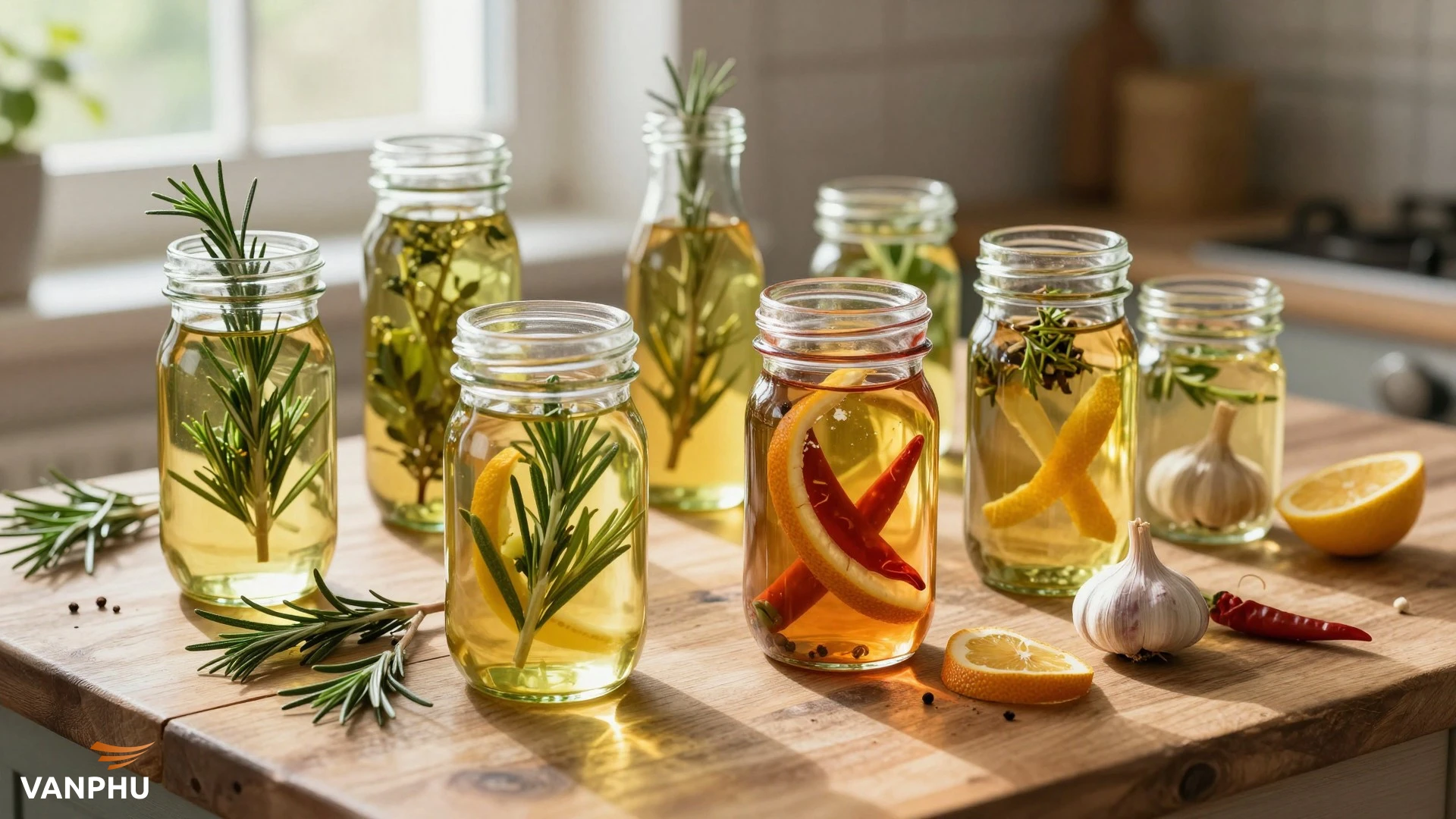
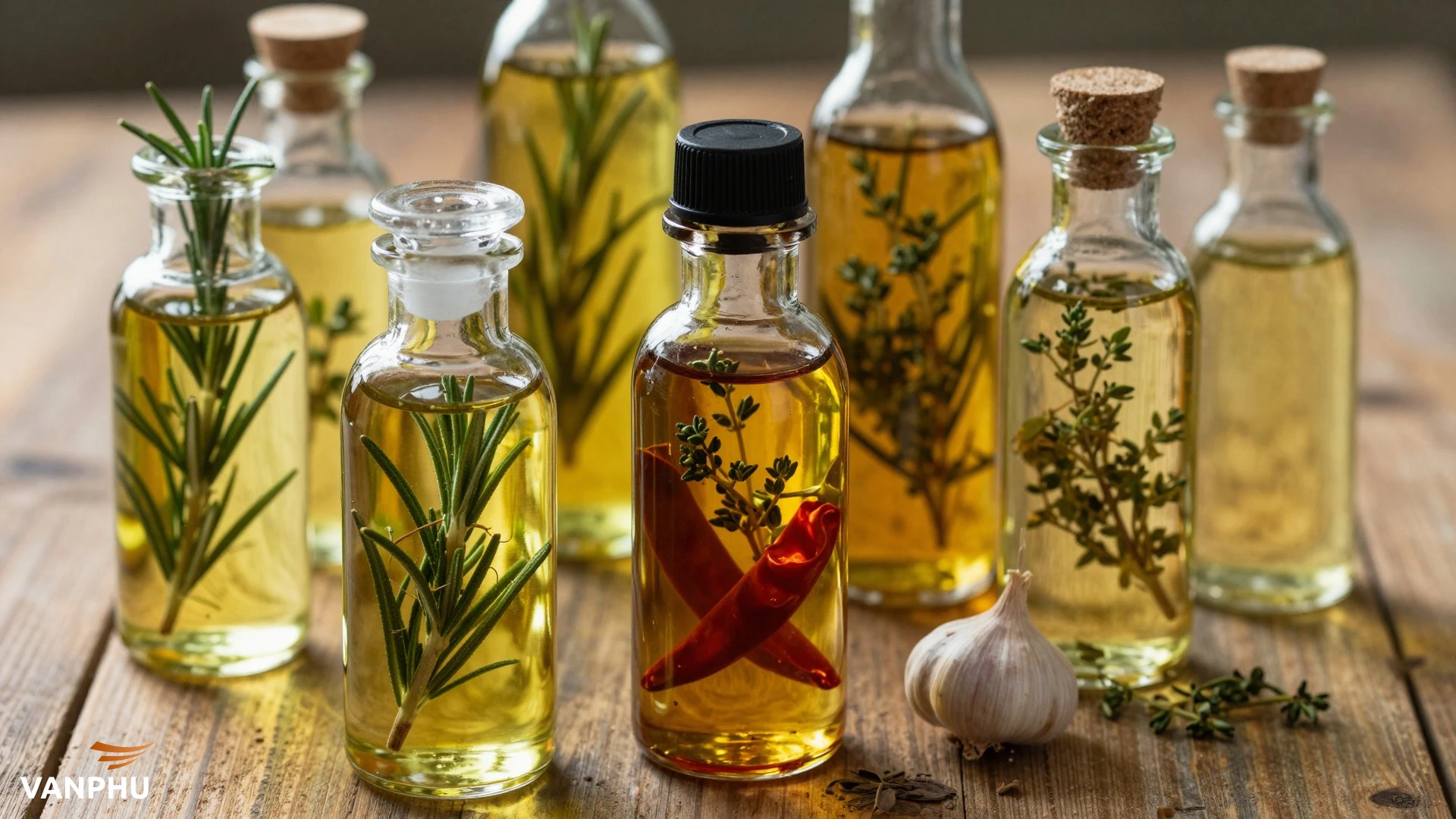
Various glass bottles showcasing vibrant, herb-infused oils, ready for gifting or culinary use. — Image created by AI
What makes infused oils a unique gift idea?
Infused oils offer a level of personalization that mass-produced gifts simply cannot match [4]. You can tailor flavors and properties to the recipient's preferences, making each bottle a thoughtful expression. For instance, a basil-infused olive oil might be perfect for a pasta lover, while a lavender-infused almond oil could soothe a friend interested in natural skincare [4].
Furthermore, these gifts are consumable, reducing clutter and offering a practical luxury. They encourage recipients to explore new culinary creations or enhance their self-care routines. This combination of utility and personal touch makes infused oils an exceptionally unique and cherished present.
Which herbs are ideal for culinary and skincare infusions?
The choice of herbs significantly impacts the final product, whether for cooking or skincare [5]. Culinary infusions often feature robust herbs like rosemary, thyme, basil, and oregano [1]. These add depth and complexity to dishes, enhancing salads, pastas, and grilled foods [5]. Stronger herbs release stable aromatic compounds, suitable for longer infusions [1].
For skincare, gentler herbs with therapeutic properties are preferred. Calendula is excellent for soothing skin issues, while lavender offers calming and antiseptic effects [4]. Chamomile and arnica are also popular for their anti-inflammatory benefits [5]. Consider the essential oil profile and robustness of the herb when making your selection [1].
What are the best carrier oils for different applications?
Selecting the right base oil is crucial, as it influences both flavor and application [3]. Extra virgin olive oil, with its robust flavor, pairs well with bold herbs and is excellent for Italian dishes [1]. Neutral oils like grapeseed or sunflower oil allow subtle herbs to shine without overpowering their delicate notes [1]. Grapeseed oil is also ideal for baking and frying due to its light flavor [3].
For skincare, lighter oils such as sweet almond oil are favored for their texture and skin-friendly properties [5]. Coconut oil and avocado oil are other versatile options [2]. When choosing, consider the oil's smoke point and stability to slow rancidity, especially for longer storage [3].
What are the essential methods for crafting infused oils?
There are two primary methods for infusing oils: cold infusion and hot infusion [3]. Each method has its advantages and is suited for different types of herbs and desired intensities. Understanding these techniques is key to mastering the art of oil infusion [3].
How does the cold infusion method work?
Cold infusion involves steeping herbs in oil at room temperature over an extended period [3]. This gentle method allows for a more subtle flavor extraction, preserving delicate aromatics that might be lost with heat [1]. The process typically takes 1-2 weeks [1].
To perform a cold infusion:
Wash and thoroughly dry your chosen herbs.
Lightly bruise the herbs to help release essential oils [1].
Place herbs in a clean, dry jar.
Pour your chosen oil over the herbs, ensuring they are fully submerged [1].
Seal the jar tightly and store it in a cool, dark place for 1-2 weeks.
Strain the oil through a fine-mesh sieve or cheesecloth, discarding the herbs.
This method is particularly good for soft-leaf herbs like basil [1].
What is the quick heat method for infused oils?
The quick heat method uses gentle, controlled heat to speed up the extraction process [3]. This results in bolder flavors and is much faster than cold infusion, typically taking 1-2 hours [1]. However, careful temperature monitoring is essential to avoid cooking the herbs or damaging the oil [1].
Here’s how to do it:
Prepare your herbs by washing, drying, and lightly bruising them.
Combine herbs and oil in a clean saucepan or a heat-safe jar placed in a double boiler.
Gently heat the oil and herbs over low heat (ideally below 150°F or 65°C) for 1-2 hours.
Do not let the oil simmer or boil, as high heat can degrade flavors and nutrients.
After heating, remove from heat and let the mixture cool completely.
Strain the oil, pressing the herbs to extract all the infused goodness.
This method is effective for strong, resinous herbs like rosemary and thyme [1].
How can you ensure the safety and longevity of your infused oils?
Safety is paramount when crafting infused oils, especially if they are intended for consumption. Improper preparation can lead to spoilage or even bacterial growth, such as botulism, particularly with ingredients like garlic [1]. Gift makers must prioritize safe practices to ensure their products are both delicious and harmless.
Why is proper herb preparation crucial for safety?
Thoroughly drying herbs is the most critical step to prevent spoilage [1]. Any residual moisture from fresh herbs can introduce mold and bacteria, which thrive in oxygen-deprived oil environments [2]. Always wash fresh herbs and then dry them meticulously using a salad spinner, blotting towels, and air-drying for at least 30-60 minutes [1]. Using dried herbs is generally safer for beginners [2]. EON Tech recommends using only completely dry ingredients to maintain product integrity.
Sterilizing jars and equipment is also vital. Wash all containers thoroughly with hot, soapy water and then sterilize them in boiling water or a dishwasher. This eliminates any potential contaminants that could compromise the oil's safety and shelf life.
What are the best practices for storing finished infused oils?
Once infused, proper storage is essential to maintain flavor and prevent rancidity. Refrigerate finished oils, especially those made with fresh ingredients, to significantly extend their shelf life [1]. Store them in airtight, dark glass bottles to protect them from light and air, which can accelerate degradation.
Always label your bottles with the date of creation and the list of herbs used [1]. Most infused oils are best consumed within 2-4 weeks when refrigerated. For longer shelf life, consider using dried herbs and ensuring a stable base oil with low polyunsaturates [1].
What creative applications exist for infused oils beyond cooking?
Infused oils are incredibly versatile and extend far beyond the kitchen. Gift makers can explore various applications, creating unique products for different needs. These natural concoctions can be a base for homemade skincare, massage oils, or even aromatic diffusers.
For instance, calendula-infused oil is renowned for its soothing properties and is excellent for promoting healthy skin [4]. Lavender-infused oil can be used as a muscle relaxant or for its calming effects in massage [2]. These oils can serve as the foundation for salves, balms, or custom facial serums, offering natural nourishment without harsh chemicals [4]. You can learn more about crafting natural infused oils at Tracey's Enchanted Herbals.
Infused oils can also be incorporated into homemade soaps or bath bombs, adding a luxurious touch. The possibilities are truly endless, encouraging creativity and experimentation for gift makers. For those interested in culinary applications, understanding why is mastering professional knife skills essential for culinary students? can further enhance their kitchen endeavors. Crafting infused oils allows you to blend taste and health benefits into rich bases [4].
Infused oil crafting is a rewarding skill for any gift maker. It offers the chance to create personalized, natural, and versatile products that are sure to be appreciated. By understanding the principles of herb selection, oil choice, infusion methods, and crucial safety measures, you can produce high-quality infused oils that delight recipients and showcase your artisanal talent. Start experimenting today and unlock a world of aromatic possibilities! You can find more inspiration and guides on Spice Storyteller or Cook Harvest.
More Information
Aromatic Compounds: Volatile organic compounds found in plants that contribute to their distinctive scents and flavors. Infusion extracts these compounds into a lipid medium, concentrating their essence.
Carrier Oil: A base oil, such as olive, grapeseed, or almond oil, used to dilute essential oils and "carry" them onto the skin or into food. It acts as the solvent for the infusion process.
Cold Infusion: A method of extracting flavors and properties from botanicals by steeping them in oil at room temperature over an extended period, typically weeks. This preserves delicate aromatics.
Hot Infusion: A method that uses gentle, controlled heat to accelerate the extraction of flavors and properties from botanicals into oil. This process is faster but requires careful temperature monitoring.
Rancidity: The process by which fats and oils spoil, developing unpleasant odors and flavors due to oxidation or hydrolysis. Proper storage and oil choice can slow down this degradation.