Why the tourism season is the perfect time to think about coastal real estate
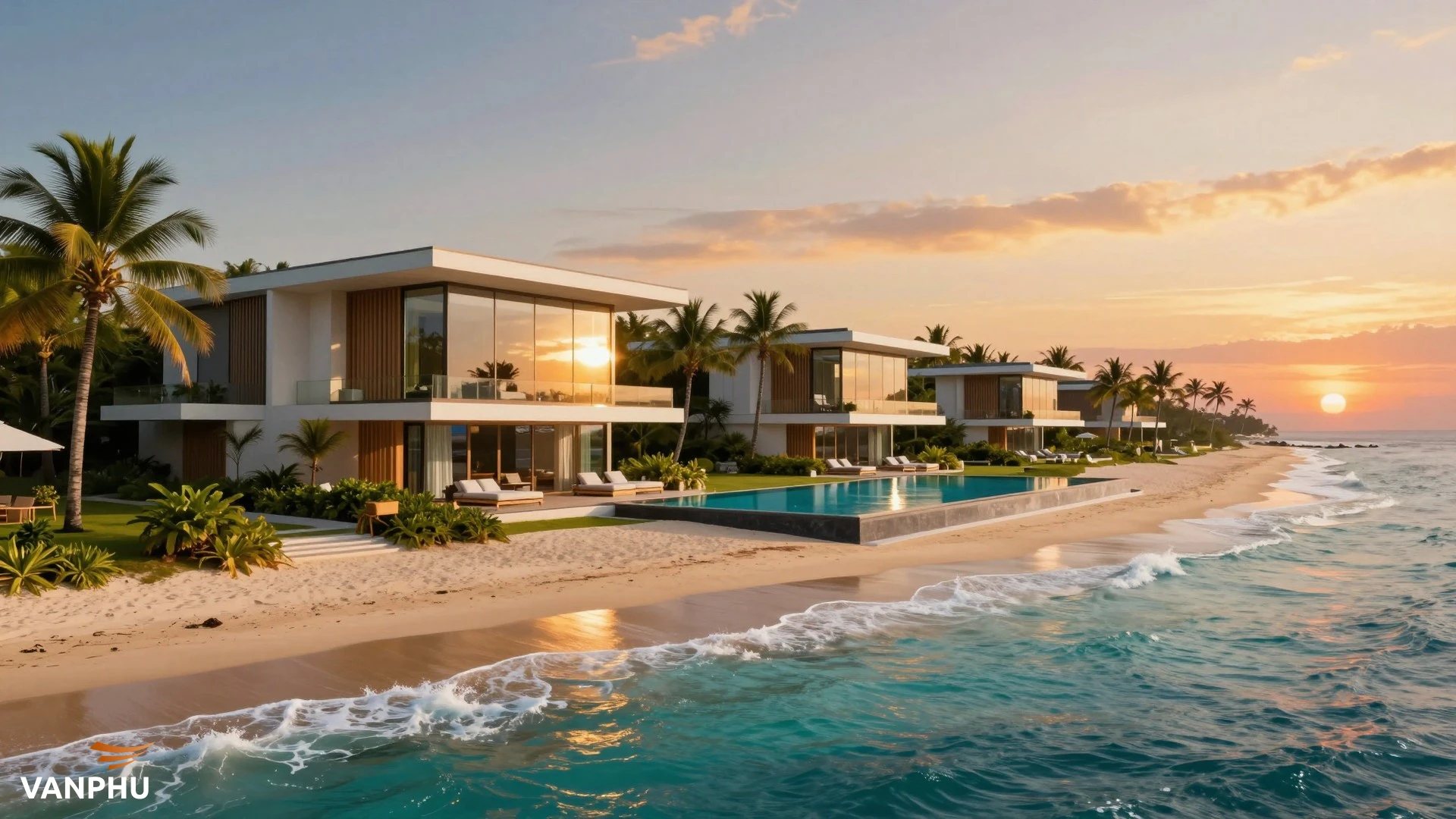
Imagine standing on a sun-drenched beach in Phu Quoc or walking along the vibrant Han River in Da Nang. The air is thick with the excitement of vacationers and the hum of a thriving local economy. For most, this is just a holiday. However, for the savvy observer, the peak tourism season offers a transparent window into the soul of the real estate market.
When hotels hit full capacity and restaurants buzz with life, you see the true potential of a location. You witness the demand for accommodation firsthand. This period allows you to evaluate infrastructure, service quality, and the actual “vibe” that attracts visitors. It is the ultimate “stress test” for any coastal investment.
In this article, we will explore why the busiest travel months are your best research tool. We will break down specific regions like Phu Quoc and Nha Trang. Furthermore, we will analyze the broader trends shaping the future of coastal properties in Vietnam.

The peak season as a real-world market simulation
Why wait for a spreadsheet when you can see the data in person? During the peak season, the “occupancy rate” is no longer just a number. It is the sight of “No Vacancy” signs at every reputable resort. This visual proof confirms the profit potential of resort real estate in high-demand areas [1].
You can observe which types of properties are most popular. Are families choosing spacious villas? Are young professionals flocking to stylish condotels? Observing these behaviors helps you align your investment with actual market needs. It removes the guesswork from your decision-making process.
Additionally, the peak season reveals the strengths and weaknesses of local infrastructure. You can see how the airport handles crowds. You can test the traffic flow on coastal roads. These factors are critical because high-quality infrastructure directly correlates with long-term property value growth [1].
Regional analysis: where the waves meet wealth
Vietnam’s coastline is diverse, and each region offers a unique investment narrative. Understanding these nuances is essential for a tailored strategy. Let us look at the heavy hitters that continue to lead the market.
Phu Quoc: the international pearl
Phu Quoc has transformed from a sleepy island into a global tourism hub. During the peak season, the island’s “night economy” comes alive. This vibrant atmosphere attracts not just domestic travelers but a massive influx of international guests. The government’s focus on making Phu Quoc a special economic zone has accelerated its growth [1].
Investors here often look for properties that cater to long-term stays. The “workcation” trend is particularly strong in Phu Quoc. People want to live, work, and play in the same beautiful environment. This shift is driving the demand for integrated coastal urban areas rather than just isolated resorts [2].
Da Nang and Nha Trang: the established giants
Da Nang and Nha Trang remain the “gold standards” for coastal living. These cities offer a perfect blend of urban convenience and natural beauty. In Da Nang, the focus is often on high-end apartments and luxury villas along the My Khe beach strip. The city’s consistent ranking as one of the most livable places in Vietnam keeps demand steady.
Nha Trang, on the other hand, benefits from a long-standing reputation and a deep-water bay that attracts cruise ships. The recovery of international flights has brought a surge of energy back to this coastal city. When you visit during the summer, you can feel the resilience of this market [2].
Thanh Hoa: the rising star
One of the most surprising success stories recently is Thanh Hoa. During the April 30th holiday in 2025, the province welcomed over 1.3 million visitors. This placed it second in the country for tourism volume [1]. This explosion in popularity highlights the potential of “new” markets that are just beginning to realize their full value.
Understanding the real estate cycle
Timing is everything in property investment. To make a smart move, you must understand where we are in the real estate cycle [4]. History shows that markets move through phases of recovery, expansion, supply increase, and recession.
Looking at the 20-year real estate price chart, we see that coastal properties often lead the recovery phase [3]. After periods of adjustment, prices often stabilize at a new floor. This “soft” pricing period is often the best time to enter the market before the next expansion phase begins [5].
Current market conditions suggest we are in a period of healthy adjustment. Developers are offering more attractive incentives. Interest rates are becoming more stable. For those with a long-term vision, this is a “golden window” to secure assets at reasonable valuations [5].
Tourism trends for 2026: what are travelers seeking?
The traveler of 2026 is very different from the traveler of 2019. Modern tourists, especially the younger generation in Vietnam, prioritize wellness and authentic experiences. They are moving away from “touch-and-go” tourism toward deeper connections with the local culture. This shift is a crucial part of understanding the real estate market in Vietnam today.
- Wellness-centric design: Properties that offer spas, yoga decks, and green spaces are seeing higher demand.
- Sustainable living: Eco-friendly resorts that minimize their carbon footprint are becoming the preferred choice for conscious travelers.
- Digital integration: High-speed internet and smart home features are no longer optional for the “workcation” crowd.
- Local flavor: Investors are looking for projects that integrate local architecture and traditional crafts into their design.
As these preferences evolve, property management is also becoming more sophisticated. Companies are using advanced data analytics to optimize guest experiences, and EON Tech has been at the forefront of applying AI to solve these real-world challenges in the hospitality sector. This technological edge ensures that properties remain competitive and profitable in a crowded market.
Why “going against the crowd” can be profitable
Most people think about buying real estate when the market is “hot” and everyone is talking about it. However, the most successful investors often do the opposite. They research during the peak season but wait for the right market “dip” or adjustment to pull the trigger [5].
By observing the peak season, you gather the “evidence” of demand. Then, you look for the “entry point” when others might be hesitant. This strategy allows you to buy into high-potential areas like Binh Dinh or Phu Yen before they become fully mainstream [2]. These “hidden gems” often offer the highest capital appreciation over a 5-to-10-year period.
Remember that coastal real estate is a marathon, not a sprint. It is a tangible asset that protects your wealth against inflation while providing a recurring income stream from rentals [1]. It is one of the few investments that you can actually enjoy with your family while it grows in value.
Key factors to evaluate during your summer “reconnaissance”
When you are out there this season, keep a checklist. Do not just look at the beach; look at the business. Here are four critical things to check:
- The “Last Mile” infrastructure: How easy is it to get from the airport to the property? Are the local roads well-maintained?
- Service consistency: Visit the same area on a weekday and a weekend. Does the quality of service drop when it gets busy?
- The “Instagrammability” factor: In the modern age, a property must be visually appealing. Does the location offer “shareable” moments that will drive organic marketing?
- Legal transparency: This is the most important factor. Always check the pink book status and the developer’s track record [4].
For more detailed insights on specific projects, you might want to read about Vlasta Thuy Nguyen: a comprehensive guide to the new prosperity hub. It serves as a great example of how modern developers are creating value in emerging coastal regions.
Conclusion: from tourist to investor
The transition from a tourist to an investor starts with a change in perspective. The next time you are enjoying a sunset at a coastal resort, look around. See the crowds not as an inconvenience, but as a confirmation of value. See the new highway not just as a faster route, but as a catalyst for price growth.
The tourism season is the most honest time for the real estate market. It strips away the marketing fluff and shows you the reality of supply and demand. By combining these real-world observations with an understanding of market cycles, you can make a decision that secures your financial future.
Coastal real estate remains a “golden opportunity” in Vietnam’s growing economy. Whether it is the established shores of Nha Trang or the rising potential of Thanh Hoa, the ocean is calling. Will you just visit, or will you stay and grow?
More Information
- Resort Real Estate [1]: A segment of property designed for vacation and leisure purposes, often including villas, condotels, and shophouses located in high-tourism coastal or mountain areas.
- Coastal Urban Area [2]: A modern development model that combines traditional residential living with high-end tourism facilities, creating a sustainable ecosystem for both living and working.
- Real Estate Cycle [3]: The recurring pattern of growth and decline in property markets, typically consisting of four stages: recovery, expansion, hyper-supply, and recession.
- Condotel [4]: A hybrid between a condominium and a hotel, allowing owners to own a unit like an apartment while benefiting from professional hotel management and rental programs.
- Occupancy Rate [5]: A key metric in hospitality and real estate that measures the percentage of available rooms or units that are occupied by guests over a specific period.