Bất động sản cao cấp 2024
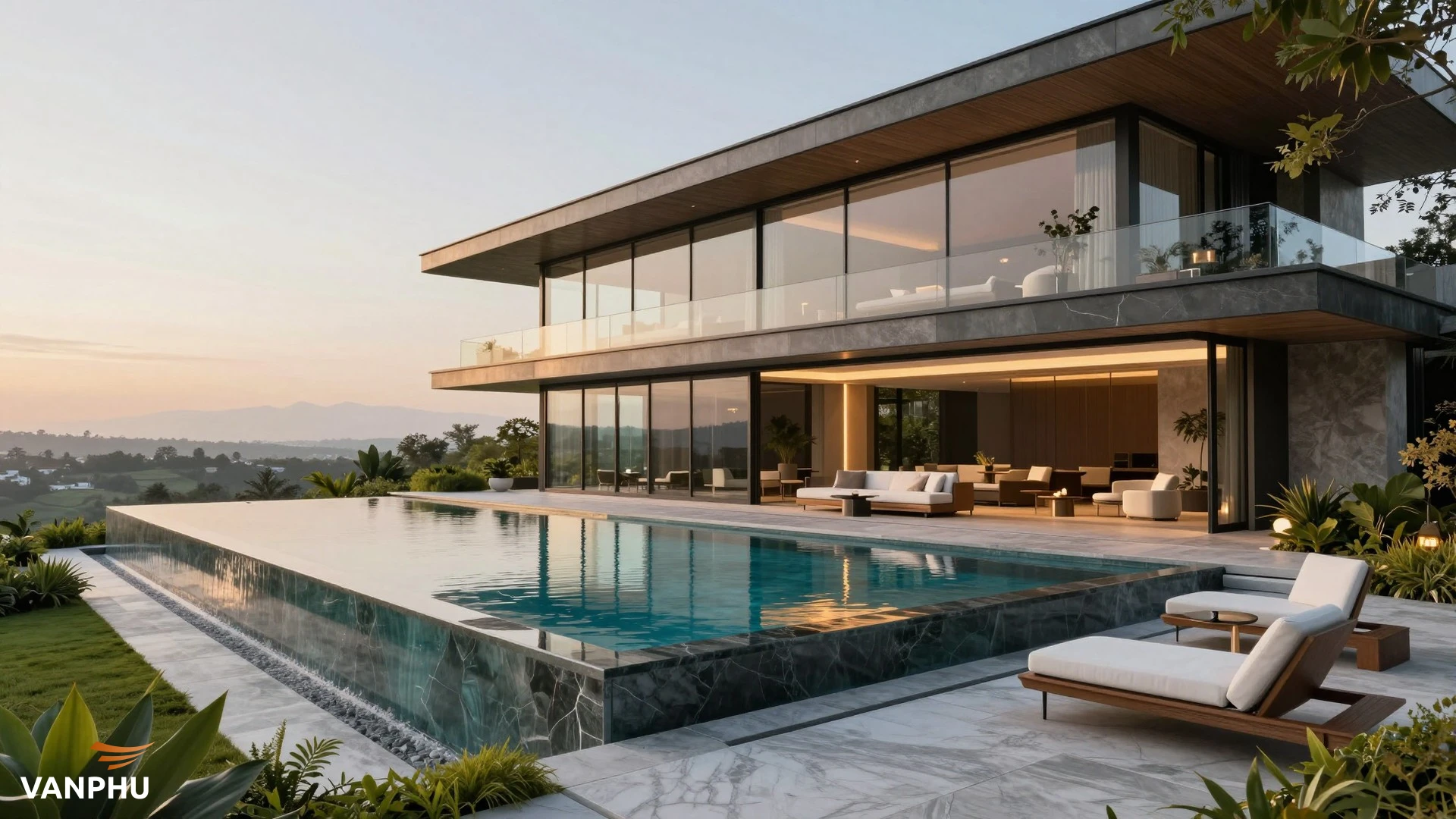
The landscape of high-end property in Vietnam is undergoing a profound transformation. Investors and homebuyers are no longer just looking for four walls and a roof. Instead, they seek a statement of identity and a sanctuary for their well-being. Why is luxury real estate the focal point of 2024? This year marks a pivot point where supply, demand, and lifestyle aspirations converge to redefine what it means to live "premium."
Market dynamics suggest a significant shift toward quality over quantity. According to recent data, the high-end segment has become the dominant force in major urban centers. This trend is driven by a sophisticated class of buyers who prioritize long-term value and experiential living. Consequently, the market is seeing a surge in projects that offer more than just location.
Understanding these shifts is crucial for anyone looking to enter the luxury market. Whether you are a seasoned investor or a first-time villa buyer, the current climate offers unique opportunities. This comprehensive analysis explores the factors driving the 2024 luxury real estate boom. We will examine market data, pricing trends, and the psychological shifts of the modern elite.
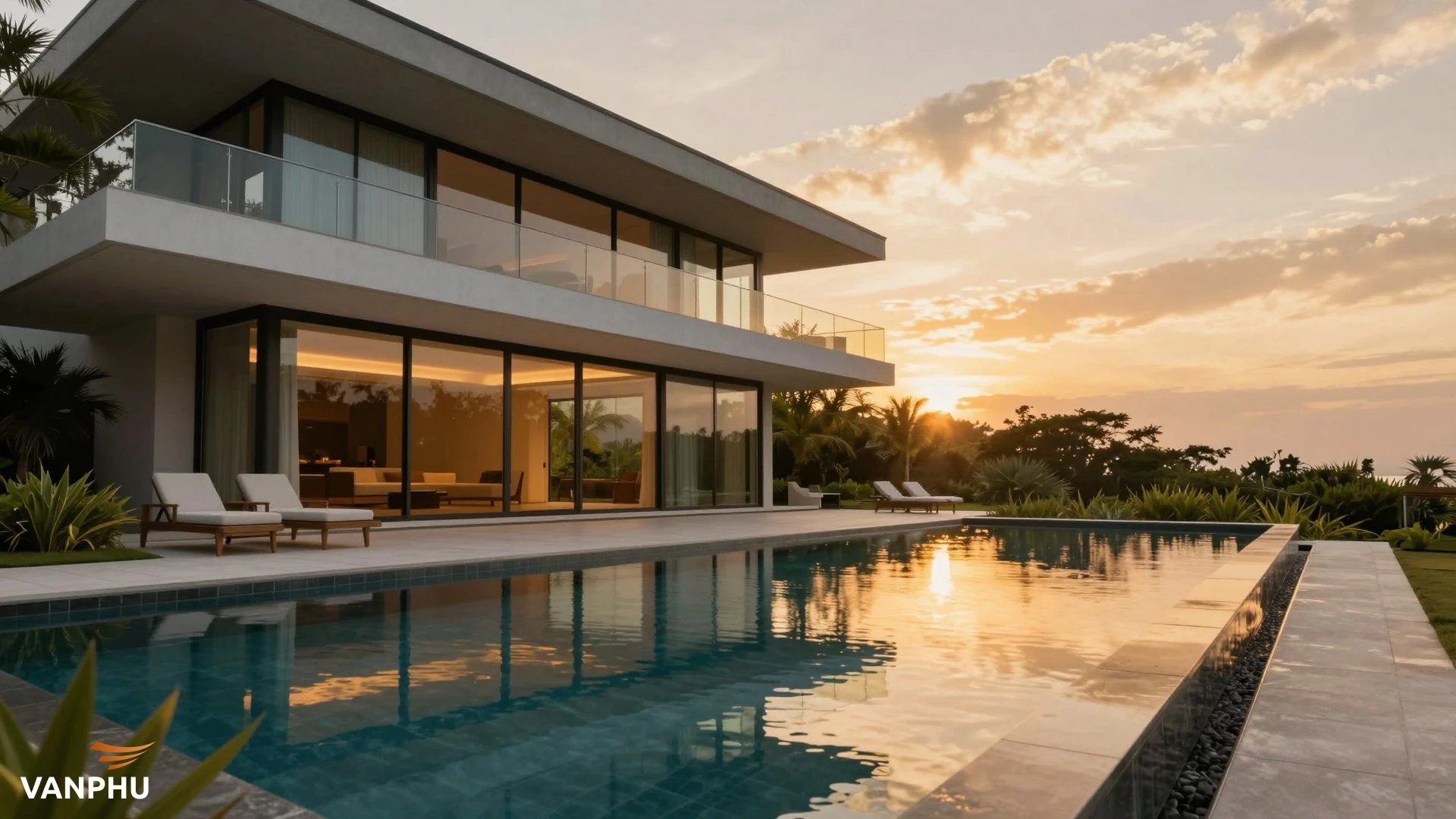
How did the high-end market perform in the final quarter of 2024?
The final quarter of 2024 showed a remarkable resilience in the commercial housing sector. Data from the Ministry of Construction indicates a significant increase in project completions. Specifically, 34 projects with approximately 13,836 units were finished in Q4 2024 [1]. This represents a 212.5% increase compared to the previous quarter, signaling a strong push by developers to meet year-end targets.
Geographically, the distribution of these projects was quite diverse. Northern Vietnam saw 21 completed projects, while the South contributed 10 projects with a massive 8,272 units [1]. This surge in supply is a direct response to the growing appetite for high-quality housing. Furthermore, the number of projects eligible for future sales increased by 110.9% compared to Q3 2024.
Despite the challenges in the broader economy, the construction pipeline remains robust. There are currently 937 projects under construction across the country, totaling over 403,000 units [1]. For luxury buyers, this means a wider variety of choices in the coming years. However, the concentration of these projects in prime locations remains a key factor in their valuation.
Why are modern buyers shifting toward experience-based living?
The traditional metrics of luxury—size, location, and brand—are being supplemented by a new standard: experience. Modern buyers in Vietnam, particularly those aged 30 to 45, are looking for environments that reflect their personal values. This demographic has high international exposure and clear expectations for quality [2]. As a result, "branded residences" and lifestyle-oriented developments are gaining immense popularity.
International reports like the "Trend Report 2026" highlight a concept called "Nest Investing." This trend shows that the ultra-wealthy are shifting their capital from personal consumer goods to high-quality living spaces [2]. They view their homes as an investment in their mental health and emotional well-being. Consequently, developers are now competing on the "experience" they can provide rather than just the square footage.
This shift is also reflected in how properties are valued. Reports from Savills and JLL indicate that living experience is becoming a primary valuation metric [2]. Buyers are willing to pay a premium for projects that offer a sense of purpose and community. For instance, 92% of Millennials consider a sense of purpose essential for their satisfaction and mental health. This psychological driver is fundamentally changing the architectural and service standards of luxury villas.
How much have luxury property prices increased in major cities?
The price of luxury real estate has seen a dramatic and sustained upward trajectory. In Ho Chi Minh City and Hanoi, primary market prices for apartments have jumped by 35% to 45% within a single year [3]. In the third quarter alone, prices in Ho Chi Minh City rose by another 15% to 18%, bringing the average to approximately 90 million VND per square meter. This rapid appreciation underscores the high demand for premium assets.
The supply side further complicates the pricing landscape. Approximately 70% of new supply in 2024 belongs to the high-end and luxury segments [3]. In prime areas like Thu Thiem or the city center, it is nearly impossible to find projects priced under 100 million VND per square meter. This concentration of high-value properties is creating a new floor for the market.
Hanoi is experiencing a similar trend. In the first nine months of 2025, the average price for new apartments reached 86 million VND per square meter [3]. High-end products accounted for 62% of the supply, while the luxury segment made up 38%. Major developers like Masterise Homes and Sun Group dominate this space, maintaining high absorption rates despite the rising costs. This suggests that the market has a strong capacity to absorb premium pricing when the product quality is guaranteed.
What role does the growing middle class play in luxury demand?
The rise of Vietnam's middle class is a primary engine for the real estate market. Currently, households with incomes between $10,000 and $70,000 per year make up over 30% of the population [4]. Experts predict this figure will soar to over 60% by 2030. This demographic shift creates a massive, sustained demand for modern and high-standard living spaces.
As income levels rise, so do expectations for housing. This new middle class is moving away from basic accommodation toward integrated townships and luxury complexes. They seek "clean" legal status, comprehensive amenities, and high finishing standards [4]. Developers who can meet these criteria are seeing rapid absorption of their units. For example, projects in Eastern Ho Chi Minh City are expected to account for 70% of new supply due to infrastructure development.
Furthermore, this group views real estate as a key tool for wealth accumulation. With high intellectual levels and financial literacy, they are selective about where they put their money. They prefer developers with proven track records and projects that offer long-term capital appreciation. This rational approach to buying is stabilizing the luxury segment, making it less prone to speculative bubbles.
Why is foreign direct investment crucial for the luxury sector?
Foreign Direct Investment (FDI) continues to be a vital pillar for the Vietnamese property market. In 2023, approximately 25% to 30% of total FDI was directed into real estate [5]. This influx of capital not only funds large-scale developments but also brings international standards of construction and management to the local market. Foreign investors are particularly attracted to the high-end segment due to its growth potential.
The presence of international capital often acts as a seal of quality for local buyers. When global funds invest in a project, it usually implies rigorous due diligence and high ESG (Environmental, Social, and Governance) standards. This boosts market confidence and encourages local developers to elevate their own offerings. Consequently, the gap between Vietnamese luxury properties and international standards is narrowing rapidly.
Moreover, the influx of foreign professionals and expats creates a robust rental market for luxury units. Many high-end apartments and villas are purchased by investors specifically to serve this demographic. With high occupancy rates and rising rental yields, the luxury segment offers a compelling passive income stream [5]. This dual benefit of capital gains and rental income makes it a preferred choice for savvy investors.
Which developers are leading the luxury market transition?
The luxury market is increasingly dominated by a few major players who have the financial muscle and vision to execute complex projects. In Hanoi, five major developers account for 74% of the new apartment supply [3]. These include Masterise Homes, MIK Group, and Sun Group. Their ability to maintain an 86% absorption rate proves that buyers trust established brands over unknown entities.
In Ho Chi Minh City, the concentration is even more pronounced. Brands like Gamuda Land and Masterise Homes control over 80% of the new supply [3]. These companies are not just building homes; they are creating entire ecosystems. Their projects often include international schools, high-end retail, and extensive green spaces. This holistic approach to development is what sets the luxury segment apart from the mass market.
While many firms compete on price, reputable developers like Văn Phú emphasize long-term value through meticulous planning and urban integration. The market is also seeing a rise in partnerships between local firms and international architects. This collaboration ensures that the projects are culturally relevant while meeting global aesthetic and functional standards. For a luxury buyer, the reputation of the developer is often as important as the location itself.
How can you invest in rental properties for long-term profit?
Investing in luxury real estate for rental purposes is a sophisticated strategy that requires careful planning. High-end apartments in prime locations often yield better returns than other asset classes like land plots or condotels [5]. The key is to identify properties that cater to the "real demand" of high-income tenants, such as corporate executives and diplomats.
To maximize profits, investors should focus on projects with "clean" legal status and rich amenities. These factors ensure high occupancy rates and allow for consistent rent increases. You can learn more about how to invest in rental properties effectively for long-term profit to build a sustainable wealth portfolio. Properties located near international schools or business districts are particularly lucrative.
Additionally, the management of the property plays a huge role in its long-term value. Luxury tenants expect impeccable service, from 24/7 security to concierge assistance. Investors should choose projects managed by reputable international firms. This professional oversight preserves the property's condition and justifies higher rental rates over time.
What are the essential legal procedures for luxury buyers?
Navigating the legal landscape is perhaps the most critical step in purchasing a luxury villa or apartment. Given the high capital requirements, any legal oversight can lead to significant financial loss. Buyers must verify the project's construction permit, land use rights, and the developer's eligibility to sell future housing [1]. A "clean" legal profile is the best insurance for your investment.
Understanding the sales and purchase agreement (SPA) is also vital. This document outlines the responsibilities of both parties, payment schedules, and handover conditions. For those new to the market, it is highly recommended to review the essential legal procedures for buying and selling real estate before signing any contracts. Ensuring that the project has been bank-guaranteed adds another layer of security.
Finally, buyers should be aware of the latest government policies and regulations. The Ministry of Construction regularly releases updates on market conditions and project approvals regarding housing and real estate market information. Staying informed about these changes helps buyers make rational decisions and avoid projects with potential legal entanglements.
Why is the high-end segment a safe haven for investors?
In times of economic volatility, luxury real estate often acts as a "safe haven" for capital. Unlike speculative assets, high-end properties have intrinsic value based on their scarcity and utility. Experts note that prices for luxury units rarely decrease; instead, they tend to grow steadily over time [5]. This makes them an excellent hedge against inflation.
The stability of the luxury segment is also supported by the "real demand" from the wealthy. These buyers are often less dependent on bank loans and have a long-term investment horizon. Consequently, the market is less susceptible to sudden sell-offs. As the economy develops, the demand for premium living will only increase, further driving up values as the middle class continues to expand.
Furthermore, the limited supply of prime land in major cities ensures that luxury properties remain exclusive. As urban centers become more crowded, the value of well-planned, spacious villas will skyrocket. For investors, this represents a unique opportunity to secure a legacy asset that provides both immediate lifestyle benefits and long-term financial security.
What should luxury buyers expect in 2025 and beyond?
Looking ahead, the luxury real estate market is set to become even more specialized. We can expect a greater emphasis on "green" and "smart" features as sustainability becomes a non-negotiable requirement. Developers will likely integrate AI and IoT technologies to enhance security and convenience for residents. The focus will shift from just building structures to creating "wellness" hubs.
Pricing is expected to remain high, driven by the dominance of luxury supply which continues to overwhelm the market. However, this will be matched by higher standards of delivery. Buyers will have more leverage to demand excellence in every aspect of their purchase. The competition among developers to provide the best "living experience" will ultimately benefit the consumer as the race for quality intensifies.
In conclusion, the 2024 luxury real estate market is a reflection of Vietnam's growing economic maturity. It is a market defined by sophisticated buyers, visionary developers, and a shift toward experiential value. For those with the means, now is the time to invest in a property that offers more than just a place to stay—it offers a way to live. By staying informed and selective, you can navigate this exciting landscape and secure a piece of Vietnam's bright future.
More Information
- Nest Investing [2]: A wealth management trend where high-net-worth individuals prioritize investing in high-quality, experiential living spaces over traditional luxury consumer goods.
- Branded Residences [2]: Luxury residential properties associated with a well-known brand (often a hotel or fashion house) that provides specialized services and amenities.
- Primary Price [3]: The initial price set by a developer for a property when it is first launched on the market, before any secondary trading.
- Absorption Rate [3]: The rate at which available homes are sold in a specific real estate market during a given time period.
- FDI in Real Estate [5]: Foreign Direct Investment specifically targeted at property development, construction, and management within a host country.