Is suburban land investment the best choice for new investors in 2025?
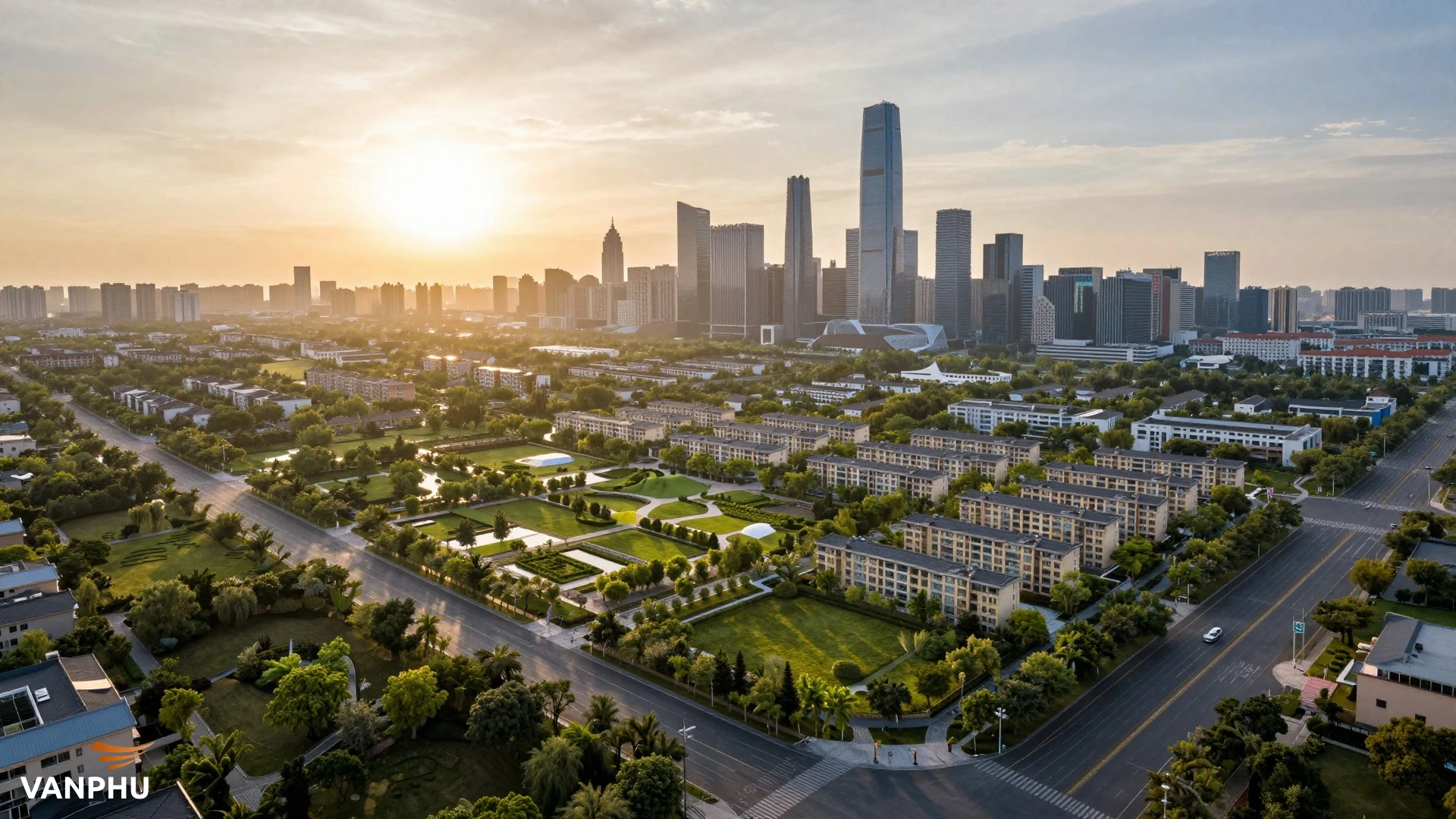
The real estate market is currently undergoing a significant transformation. Many individuals are looking beyond crowded city centers to find better opportunities. Suburban land investment has emerged as a top contender for those with limited capital. This segment offers a unique blend of affordability and high growth potential.
New investors often face a difficult choice between different asset classes. Some prefer the stability of savings accounts, while others seek the thrill of the stock market. However, land remains a favorite because it is a tangible asset. In the current economic climate, understanding the nuances of the suburban market is essential for success.
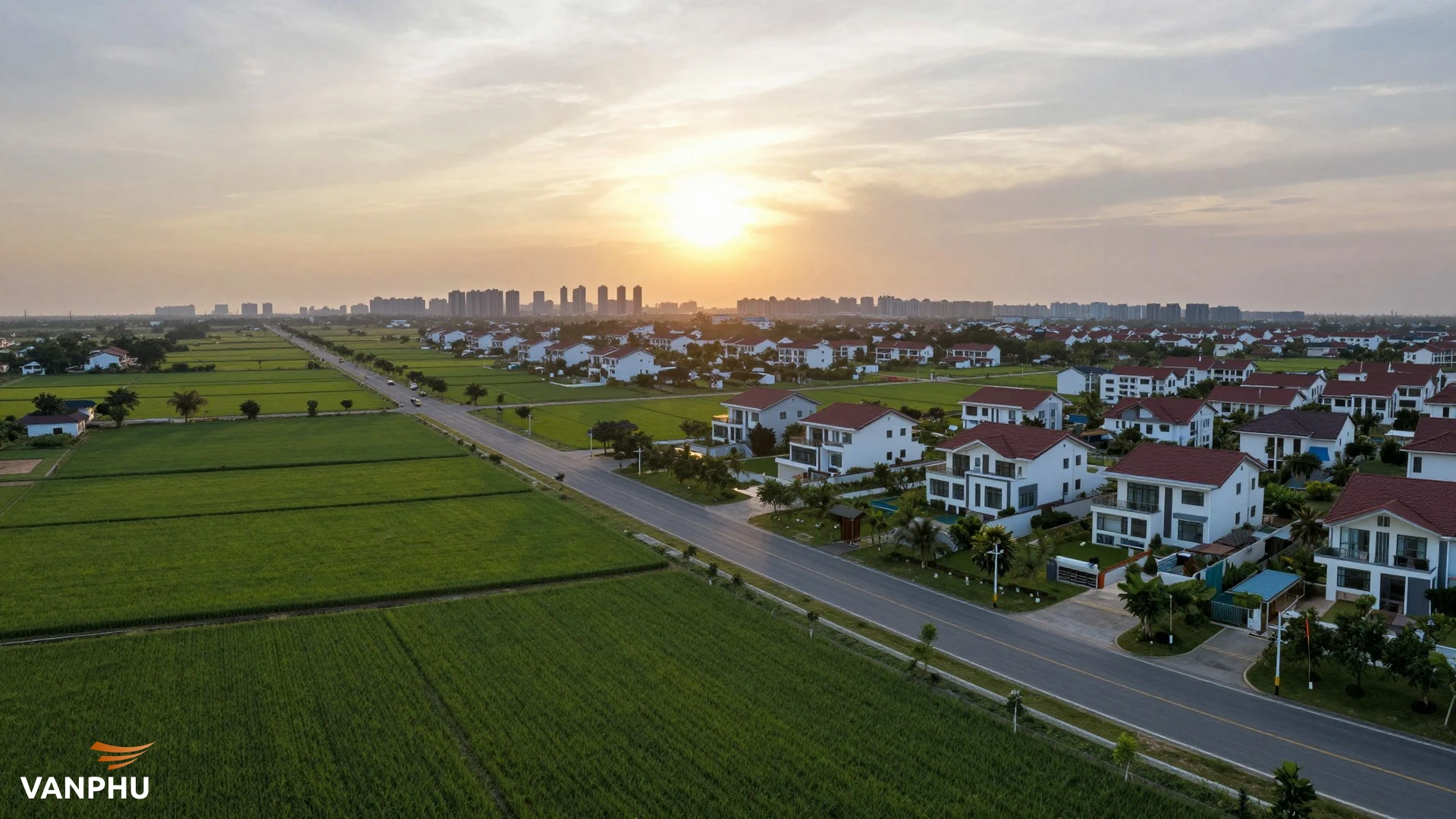
Recent data suggests that the interest in land plots is rising again. Investors are becoming more cautious but also more strategic. They are no longer chasing "ghost projects" but are focusing on areas with real infrastructure. This shift marks the "beginning" or the head of a new market cycle [5]. By following professional advice, beginners can navigate this landscape effectively.
Why is suburban land attracting so much capital right now?
The primary driver for suburban investment is the price gap. Property prices in major hubs like Hanoi and Ho Chi Minh City have reached record highs. This makes it nearly impossible for young investors to enter the urban market. Consequently, they look toward the outskirts where prices are significantly lower.
Experts note that suburban land prices are often only 1/3 to 1/5 of those in the inner city [2]. This massive difference allows investors with smaller budgets to participate. Instead of buying a tiny apartment, they can own a large plot of land. This strategy provides a much lower entry barrier for the average household.
Furthermore, the psychological shift after recent urban challenges is real. Many people are moving away from high-rise apartments due to safety and fire concerns [2]. They prefer the security of owning a piece of the earth. This trend is creating a steady demand for land in neighboring provinces.
How do low interest rates fuel the suburban land market?
Financial policies play a crucial role in real estate movements. Currently, low interest rates are encouraging people to move their money out of banks. When savings accounts offer low returns, land becomes an attractive alternative. Investors see it as a "safe haven" for their capital [4].
Credit policies have also become more flexible in late 2025. This allows buyers to access loans more easily than in previous years. With cheaper borrowing costs, the "leverage" strategy becomes viable again. However, experts still advise caution regarding debt ratios for new participants.
When interest rates drop, the purchasing power of the middle class increases. This liquidity flows directly into affordable segments. Suburban land plots are the primary beneficiaries of this trend. They offer a place to store wealth while waiting for infrastructure to mature.
Why are infrastructure projects the "gold mine" for land investors?
Infrastructure is the lifeblood of real estate value. Without roads and bridges, land remains just dirt. However, when a new highway is announced, prices can skyrocket. Investors often try to "catch the wave" of public investment [2].
Projects like ring roads and inter-provincial highways are shortening travel times. A plot that was once "too far" is now only 30 minutes from the city. This connectivity turns rural areas into vibrant satellite towns. Investors who buy early in these zones often see the highest returns.
The government is currently accelerating public spending on transport. This creates a massive ripple effect across the suburban landscape. Areas near upcoming airports or industrial parks are particularly popular. These locations provide "real value" rather than just speculative hype.
Where are the most promising suburban land hotspots located?
Identifying the right location is half the battle in real estate. Not all suburban areas are created equal. Some regions have strong industrial foundations, while others rely on tourism. New investors should prioritize areas with clear growth drivers.
In the South, provinces like Binh Duong, Dong Nai, and Ba Ria - Vung Tau remain top choices. These areas have established industrial zones and high population growth. For instance, an investor with 1 billion VND might consider Bến Cát or Long Thành [1]. These locations benefit from massive projects like the Long Thanh International Airport.
In the North, the focus is shifting toward the outskirts of Hanoi. Districts like Dong Anh and Soc Son have seen significant interest [2]. Meanwhile, provinces like Thanh Hoa are emerging as new powerhouses. The western part of Thanh Hoa has seen price increases of 20-30% recently [4].
Why is Dong Nai becoming a magnet for land investors?
Dong Nai is currently the center of attention in the southern market. The province is home to numerous key infrastructure projects. The most notable is the Long Thanh Airport, which is a game-changer for the region. Land prices in Nhon Trach have been rising by 15-20% annually [4].
The province also has a very high density of industrial parks. This creates a constant demand for housing for workers and experts. Investors are not just buying land; they are buying future rental potential. This "real demand" makes the market more resilient to fluctuations.
Furthermore, the bridge connecting Nhon Trach to Ho Chi Minh City is a major catalyst. Once completed, it will integrate Dong Nai more deeply into the metropolitan economy. This proximity ensures that land values will continue to align with urban growth. It is a classic example of following the "path of progress."
How is the real estate market in Thanh Hoa and Da Nang recovering?
Central Vietnam is also showing strong signs of a comeback. Da Nang, after a period of stagnation, is seeing a 40% increase in search volume for land plots [3]. Prices in some suburban areas of Da Nang have already climbed by 20-30% in just one year.
Thanh Hoa is another interesting case for new investors. The province is attracting massive foreign direct investment (FDI). This industrial boom is driving up the value of surrounding land. Areas in Western Thanh Hoa are particularly active, with prices warming up significantly in late 2025 [3].
These regional markets offer lower entry points than the South. They are ideal for investors who are just starting their journey. By diversifying into these emerging hubs, one can minimize risk. The key is to look for areas where the local economy is diversifying and growing.
What are the critical risks every new investor must avoid?
While the potential for profit is high, the risks are equally significant. Many beginners lose money because they follow the crowd without doing research. The most common pitfall is buying into "fake fevers" created by brokers. These artificial price hikes often collapse, leaving investors with "dead" assets [2].
Another major risk is "paper planning." This refers to projects that exist only on maps but never get built. Investors who buy based on unconfirmed rumors often find themselves stuck. It is essential to verify all planning information with local authorities before signing any contracts.
Liquidity is also a concern in suburban markets. Unlike urban apartments, suburban land can take a long time to sell. If you need cash quickly, you might have to sell at a loss. Therefore, you should only invest "idle money" that you don't need for at least 3 to 5 years.
How can you identify "paper planning" and fake price fevers?
Identifying a bubble requires a cool head and a bit of investigation. If land prices in a remote area double in a month without any new road, it is likely a fake fever. Brokers often use "crowd tactics" to create a sense of urgency. They might hire people to pretend to be buyers to trick you into a quick decision [2].
To avoid "paper planning," always ask for official documents. Don't trust a colorful brochure or a salesperson's promise. Visit the local Department of Natural Resources and Environment to check the land use status. If the land is marked for "public use" or "greenery," you cannot build a house there.
Successful investors always look for "real" signs of life. Are there people living nearby? Are there schools, markets, or factories? If the area is completely deserted, the "planning" might be decades away. Real value comes from actual utility, not just speculation on a map.
Why is legal transparency the most important factor in land deals?
Legal issues are the number one cause of disputes in real estate. A plot of land without a "Red Book" (land use certificate) is a ticking time bomb. Without proper title, you don't actually own the property in the eyes of the law. This makes it impossible to sell or use as collateral for a loan [1].
New laws in 2024 and 2025 have tightened the rules on land subdivision. This means that many "spontaneous" land plots are now illegal to sell. You must ensure the land has been properly divided and has a separate certificate for each plot [3]. This transparency is the only way to protect your capital.
Before buying, check if the land is involved in any disputes or lawsuits. Sometimes, a family might be fighting over an inheritance, and you could get caught in the middle. A clean legal history is worth more than a slightly lower price. Always prioritize safety over potential profit margins.
How can you build a successful suburban land investment strategy?
A good strategy starts with a clear financial plan. You should never invest more than you can afford to lose. For example, if you have 1 billion VND in savings, don't spend it all on one plot. Keep some cash for emergencies and consider your monthly income [1]. This balanced approach reduces stress and allows for better decision-making.
Timing is also essential in the real estate cycle. Many experts believe that late 2025 and early 2026 are the "recovery" phases. This is a good time to buy before prices reach their next peak [3]. However, you must be prepared for a medium to long-term hold.
Leading developers such as Văn Phú are increasingly focusing on creating value-driven projects that benefit suburban communities. Following the footsteps of reputable developers can give you clues about where the next growth zone will be. They often conduct extensive market research before entering a new area.
Should you focus on long-term value or short-term flipping?
The days of "flipping" land for a quick profit are largely over. The market has become more professional and regulated. Investors who try to "surf the wave" often get wiped out when the tide turns. Instead, the current trend is toward "sustainable accumulation" [3].
Long-term value comes from the actual development of the area. As more people move in, the land becomes more valuable for business or housing. This growth is slow but steady. It provides a much safer return on investment compared to speculative flipping.
If you are a new investor, aim for a 3-to-5-year horizon. This gives the infrastructure enough time to be completed. It also allows you to ride out any short-term market dips. Patience is the most valuable asset in the land market.
How does infrastructure development impact your investment returns?
Infrastructure acts as a multiplier for land value. A simple road expansion can increase prices by 10-20%. A new bridge or highway exit can see prices jump by 50% or more. This is because infrastructure improves "accessibility," which is the core of real estate value [4].
However, you must be careful about the "timing" of infrastructure. Prices often rise when a project is first announced. Then they might stagnate during the long construction phase. The final jump usually happens when the road actually opens to traffic. Understanding this timeline helps you decide when to buy and when to sell.
Always look for projects that are part of the "national master plan." These are more likely to be funded and completed on time. Local projects are riskier and more prone to delays. By aligning your investment with major government goals, you increase your chances of success.
What does the future hold for the suburban land market in 2026?
The outlook for 2026 is generally positive. The market is expected to enter a phase of "sustainable growth." This means prices will rise based on real economic factors rather than speculation. Investors are becoming more sophisticated, and the legal framework is becoming clearer [3].
We will likely see a "decentralization" of the real estate market. Capital will continue to flow from Hanoi and Ho Chi Minh City to secondary cities. This will create new opportunities in provinces that were previously ignored. For a comprehensive guide on suburban land, staying updated with daily news is vital.
Technology will also play a bigger role in land investment. Tools for remote viewing and digital legal checks will become more common. This will make it easier for urban investors to manage properties in distant provinces. The market is becoming more transparent and accessible to everyone.
Is it time for you to take the first step?
Investing in suburban land is a journey that requires both courage and caution. For a new investor, the potential rewards are significant. You have the chance to build wealth and secure your financial future. However, you must be willing to do the hard work of research and due diligence.
Start by defining your goals and your budget. Don't be swayed by flashy advertisements or high-pressure sales tactics. Focus on locations with real infrastructure and clear legal status. Remember that the best investments are often the ones that make sense for the long term.
If you are still unsure, consider consulting with a professional advisor. They can help you navigate the complexities of the Vietnamese real estate market. With the right knowledge and a disciplined approach, you can turn suburban land into a powerful asset. The market is waiting for those who are prepared to seize the opportunity.
Finally, always keep an eye on the bigger picture. The shift toward suburban living is not just a trend; it is a structural change in how we live and work. By investing in this shift, you are positioning yourself for success in the years to come. Whether you choose sustainable housing or raw land, the key is to start now and stay informed.
More Information
- Suburban Land [1]: Land located on the outskirts of major cities, typically offering lower prices and higher growth potential due to expanding infrastructure and urban sprawl.
- Paper Planning [2]: A term used to describe proposed infrastructure or development projects that have been drawn on maps but lack official approval or funding.
- Market Recovery [3]: A phase in the real estate cycle where demand and prices begin to rise again after a period of stagnation or decline.
- Safe Haven [4]: An investment asset that is expected to retain or increase its value during times of market turbulence or economic uncertainty.
- Market Cycle [5]: The periodic fluctuations in the real estate market, consisting of four main phases: recovery, expansion, hyper-supply, and recession.