What are the emerging trends in sustainable green apartments?
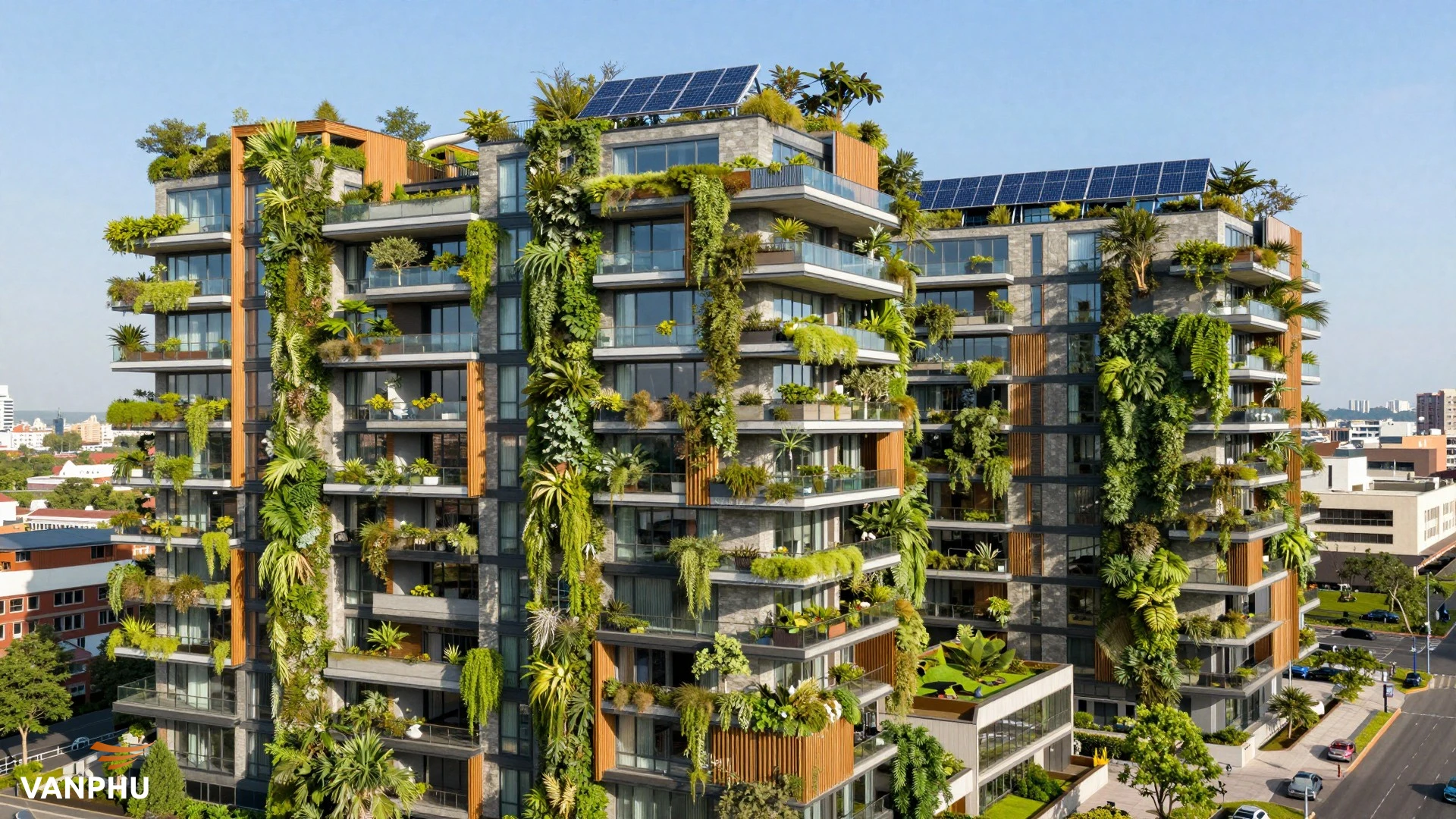
The global real estate landscape is undergoing a profound transformation, driven by an increasing awareness of environmental challenges and a growing demand for healthier, more efficient living spaces. This shift has propelled sustainable green apartments from a niche concept to a mainstream aspiration for both developers and residents alike [1]. As urban populations continue to expand, the imperative to construct buildings that minimize ecological impact while maximizing occupant well-being has become paramount. This article aims to educate the market on the critical trends defining this exciting sector, providing insights into its benefits, features, and future trajectory.
Sustainable green apartments are not merely structures with a few eco-friendly features; they represent a holistic approach to design, construction, and operation. They integrate advanced technologies, resource-efficient practices, and health-conscious materials to create living environments that are both environmentally responsible and economically viable [2]. Understanding these trends is crucial for investors, developers, and potential homeowners looking to navigate the evolving real estate market.
Why are sustainable green apartments gaining prominence?
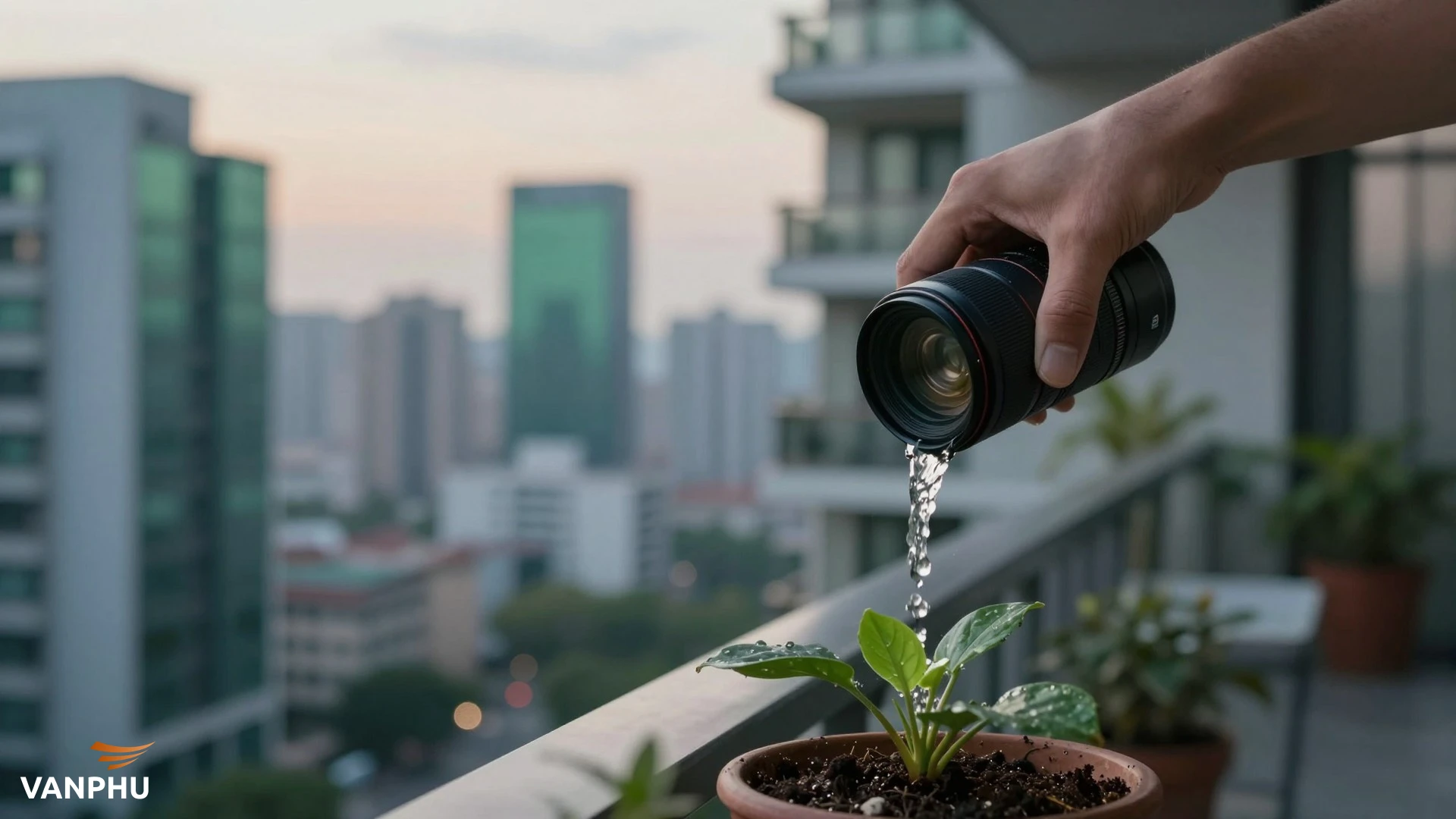
The rise of sustainable green apartments is not accidental; it is a direct response to pressing global issues and evolving consumer preferences. Why are these properties becoming so popular? Firstly, the environmental benefits are undeniable. Green buildings significantly reduce carbon footprints, conserve precious natural resources, and mitigate pollution. They often incorporate renewable energy sources, such as solar panels, and employ advanced water recycling systems, leading to a substantial decrease in operational emissions [3].
Secondly, economic advantages offer compelling reasons for their adoption. Residents of green apartments typically experience lower utility bills due to superior energy efficiency and water conservation. For developers, sustainable certifications can enhance property value and attract a premium market segment. Moreover, various government incentives and green financing options make these projects financially attractive [4]. Thirdly, the social benefits contribute significantly to their appeal. Green apartments are designed to promote healthier living conditions, featuring improved indoor air quality, ample natural light, and access to green spaces. These elements foster a greater sense of well-being and community among residents.
What key features define a truly green apartment?
Identifying a genuinely green apartment requires looking beyond superficial aesthetics to its core functionalities and design principles. What specific attributes make an apartment sustainable? Energy efficiency stands as a cornerstone. This includes high-performance insulation, smart thermostats, energy-efficient appliances, and often, on-site renewable energy generation like rooftop solar panels. These features dramatically reduce energy consumption for heating, cooling, and lighting.
Water conservation is another critical element. Green apartments typically integrate low-flow plumbing fixtures, dual-flush toilets, and water-efficient landscaping. Rainwater harvesting systems can collect and reuse water for irrigation or non-potable uses, further minimizing reliance on municipal supplies. Furthermore, the choice of materials is paramount. Sustainable apartments prioritize materials that are recycled, locally sourced, rapidly renewable, or have low embodied energy. Non-toxic, low-VOC (volatile organic compound) paints and finishes are also standard, contributing to better indoor air quality.
Indoor air quality itself is a major focus. Advanced ventilation systems, coupled with the use of non-toxic materials, prevent the buildup of indoor pollutants. Maximizing natural light and views not only reduces the need for artificial lighting but also enhances occupant comfort and productivity. Finally, effective waste management strategies, including comprehensive recycling programs and composting facilities, are integral to minimizing landfill waste from the building's operations.
How do green building certifications influence apartment development?
Green building certifications play a pivotal role in validating the sustainability claims of apartment developments and providing a clear framework for developers. How do these certifications impact the industry? Standards like LEED (Leadership in Energy and Environmental Design), EDGE (Excellence in Design for Greater Efficiencies), and Green Mark (Singapore) offer internationally recognized benchmarks for environmentally responsible construction. These certifications assess various aspects, including energy and water efficiency, material selection, indoor environmental quality, and site sustainability [5].
For developers, achieving these certifications demonstrates a commitment to sustainability, enhancing marketability and attracting environmentally conscious buyers. It can also unlock access to green financing and incentives. For residents, these certifications provide assurance that their apartment meets rigorous environmental performance standards, leading to a healthier living environment and potentially lower operating costs. They serve as a transparent verification system, distinguishing truly green projects from those with only superficial eco-friendly features.
What innovative technologies are shaping green apartment design?
The evolution of green apartment design is intrinsically linked to advancements in technology, pushing the boundaries of what is possible in sustainable living. What cutting-edge innovations are defining this sector? Smart home systems are at the forefront, allowing residents to monitor and control energy consumption, lighting, and climate settings with unprecedented precision. These systems often integrate with renewable energy sources and can optimize usage based on occupancy and external conditions.
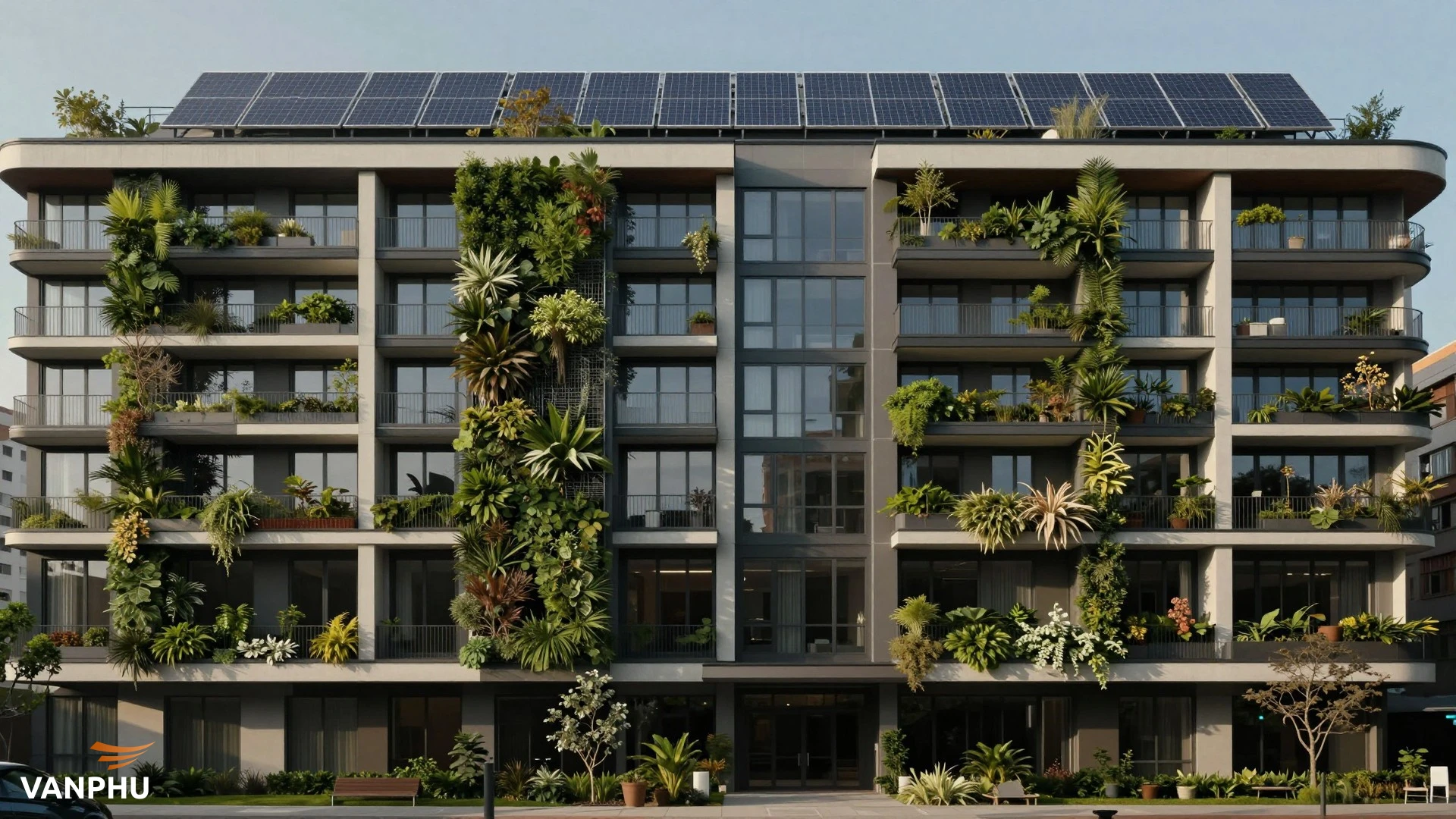
Vertical gardens and green roofs are becoming increasingly common, not just for aesthetic appeal but also for their functional benefits. They help insulate buildings, reduce urban heat island effects, improve air quality, and provide habitat for local wildlife. Advanced HVAC (Heating, Ventilation, and Air Conditioning) systems, including geothermal and demand-controlled ventilation, significantly reduce energy consumption while maintaining optimal indoor comfort. Furthermore, innovative materials like self-healing concrete, transparent solar panels, and phase-change materials for thermal regulation are transforming building envelopes. The integration of data analytics and AI, which platforms like EON Tech are increasingly adopting, allows for continuous optimization of building performance, ensuring that green apartments operate at peak efficiency throughout their lifecycle.
What financial incentives support the development of green apartments?
The financial landscape for green apartment development is becoming increasingly supportive, with various incentives designed to encourage sustainable construction. What financial mechanisms are driving this growth? Governments worldwide are implementing policies that offer grants, tax breaks, and subsidies for projects that meet specific green building criteria. These incentives can significantly offset the initial higher costs often associated with sustainable materials and technologies, making green developments more competitive.
Green mortgages and loans are also emerging, offering favorable interest rates or terms for buyers and developers of certified green properties. These financial products recognize the lower operational costs and higher long-term value of sustainable buildings. Furthermore, institutional investors and ethical funds are increasingly prioritizing investments in environmentally responsible real estate. This growing pool of capital provides a strong financial impetus for developers to embrace green building practices, seeing it not just as a social responsibility but also as a sound investment strategy.
How do sustainable apartments impact resident well-being and lifestyle?
Beyond environmental and economic benefits, sustainable apartments profoundly influence the well-being and lifestyle of their residents. How do these living spaces enhance daily life? Improved indoor air quality, achieved through superior ventilation and non-toxic materials, significantly reduces respiratory issues and allergies, fostering a healthier living environment. Abundant natural light, often a design priority, boosts mood, productivity, and regulates circadian rhythms, leading to better sleep and overall mental health.
Many green developments incorporate biophilic design principles, integrating natural elements and views of greenery into the living space. This connection to nature has been shown to reduce stress and enhance cognitive function. Furthermore, sustainable apartment complexes often feature shared green spaces, community gardens, and pedestrian-friendly designs, encouraging social interaction and a more active, outdoor-oriented lifestyle. Residents often report a greater sense of community and pride in living in a building that aligns with their values of environmental stewardship.
What challenges must the green apartment sector overcome for wider adoption?
Despite the numerous benefits, the green apartment sector still faces several hurdles to achieving widespread adoption. What obstacles stand in its way? One significant challenge is the perception of higher upfront costs. While green buildings offer long-term savings, the initial investment in sustainable materials, technologies, and certification can be greater than conventional construction. Educating the market about the life-cycle cost benefits and available financial incentives is crucial to overcoming this perception.
Another challenge is a lack of widespread awareness and understanding among both consumers and some developers. Many potential buyers may not fully grasp the health, environmental, and economic advantages of green apartments. Similarly, some developers may be hesitant to adopt new practices due to unfamiliarity or perceived complexity. Regulatory hurdles and inconsistencies in green building codes across different regions can also complicate development. Streamlining permitting processes and harmonizing standards would greatly facilitate growth. Overcoming these challenges requires concerted efforts in market education, policy support, and continued innovation.
What future trends will define the next generation of sustainable living?
The trajectory of sustainable green apartments points towards an even more integrated and regenerative future. What innovations and philosophies will shape the next generation of sustainable living? The concept of net-zero or even net-positive buildings will become standard. These buildings will generate as much or more energy than they consume, effectively eliminating their operational carbon footprint. This will involve more sophisticated renewable energy integration, advanced energy storage solutions, and highly efficient building envelopes.
The circular economy principles will increasingly influence construction, moving away from linear "take-make-dispose" models. This means designing buildings for deconstruction, using materials that can be reused or recycled at the end of their life, and minimizing waste throughout the construction process. Biophilic design will evolve beyond simple green walls to deeply integrate natural systems and patterns into the urban fabric, creating environments that actively support human health and ecological diversity. Finally, community-centric green developments will foster shared resources, collaborative living, and a stronger sense of local resilience, moving beyond individual apartment units to create truly sustainable neighborhoods. This holistic approach, encompassing environmental, economic, and social dimensions, will define the future of green apartment living.
The journey towards a fully sustainable built environment is ongoing, and green apartments are a vital component of this transition. By embracing innovation, educating the market, and fostering supportive policies, we can accelerate the adoption of these beneficial living spaces, paving the way for a healthier, more resilient future for all. The shift is not just about building better homes; it's about building a better world, one sustainable apartment at a time. For further insights into how urban planning can contribute to a sustainable future, consider exploring how can smart city urban planning reshape our future cities?.
More Information
- Sustainable Development: Development that meets the needs of the present without compromising the ability of future generations to meet their own needs. In real estate, it refers to practices that minimize environmental impact and promote social equity.
- Green Building: A building that, in its design, construction or operation, reduces or eliminates negative impacts, and can create positive impacts, on our climate and natural environment. It emphasizes efficiency and occupant health.
- Carbon Footprint: The total amount of greenhouse gases (including carbon dioxide and methane) that are generated by our actions. Green apartments aim to significantly reduce this through energy efficiency and renewable sources.
- Life-Cycle Costing: An economic assessment that considers the total cost of an asset over its entire lifespan, including initial purchase, operation, maintenance, and disposal. Green buildings often have lower life-cycle costs despite higher upfront investment.
- Biophilic Design: An architectural approach that connects building occupants to nature. It uses natural light, ventilation, landscapes, and other natural elements to improve health and well-being.