What defines a smart apartment 4.0 in today’s digital landscape?
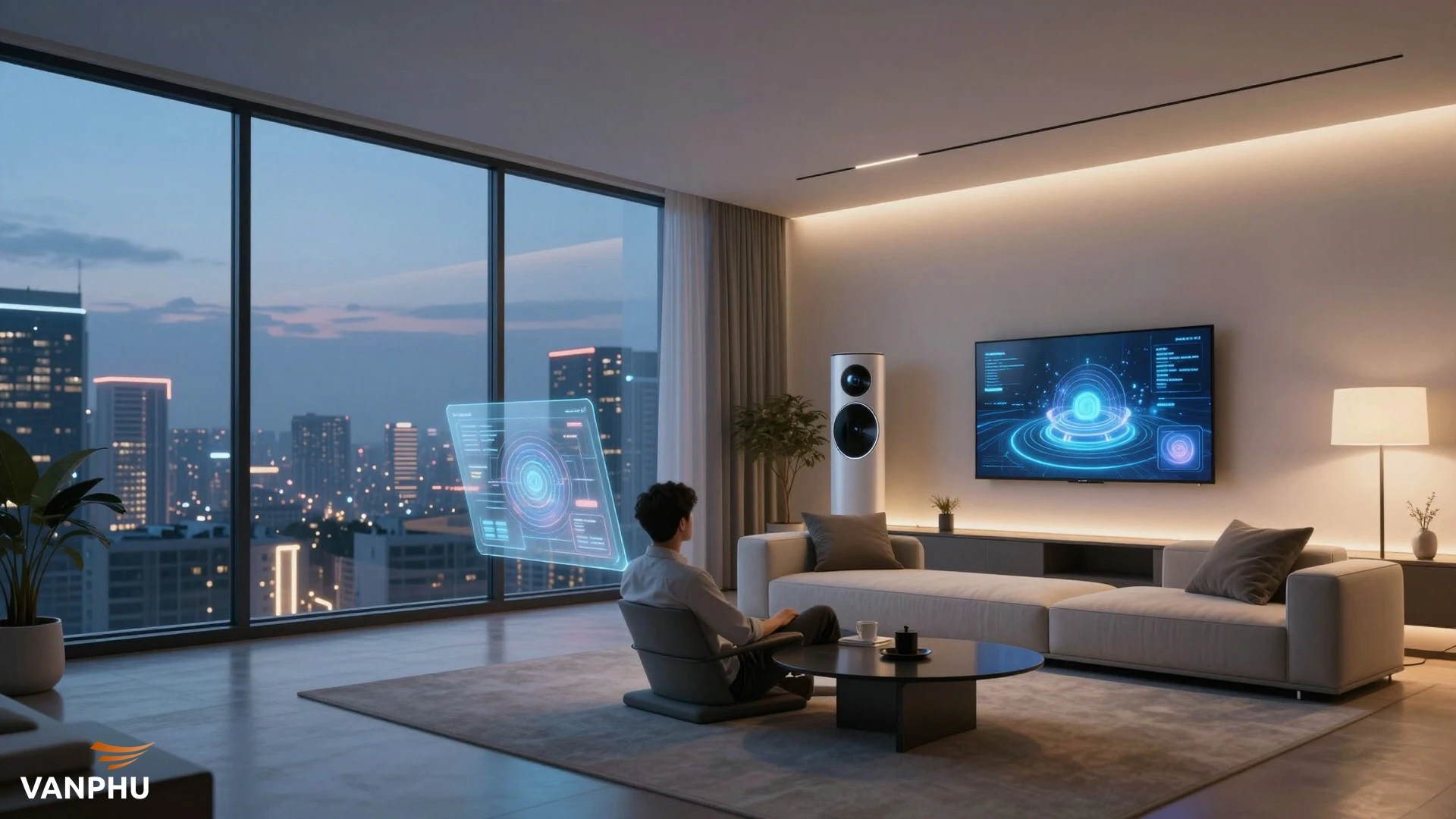
Modern living has evolved rapidly over the last decade. Technology now sits at the heart of our daily routines. For many people, a standard luxury home is no longer sufficient. They seek something more integrated and responsive. This demand has birthed the concept of the smart apartment 4.0.
These residences represent the pinnacle of modern urban living. They combine high-end architecture with cutting-edge digital infrastructure. Consequently, homeowners enjoy unprecedented levels of convenience and safety. This article explores why these homes are becoming the top choice for tech-savvy buyers.
Understanding the transition to 4.0 living is essential for any investor. It is not just about gadgets or expensive appliances. Instead, it is about creating a cohesive ecosystem. This ecosystem learns from your habits and adapts to your needs. Let us dive into the details of this revolutionary housing trend.
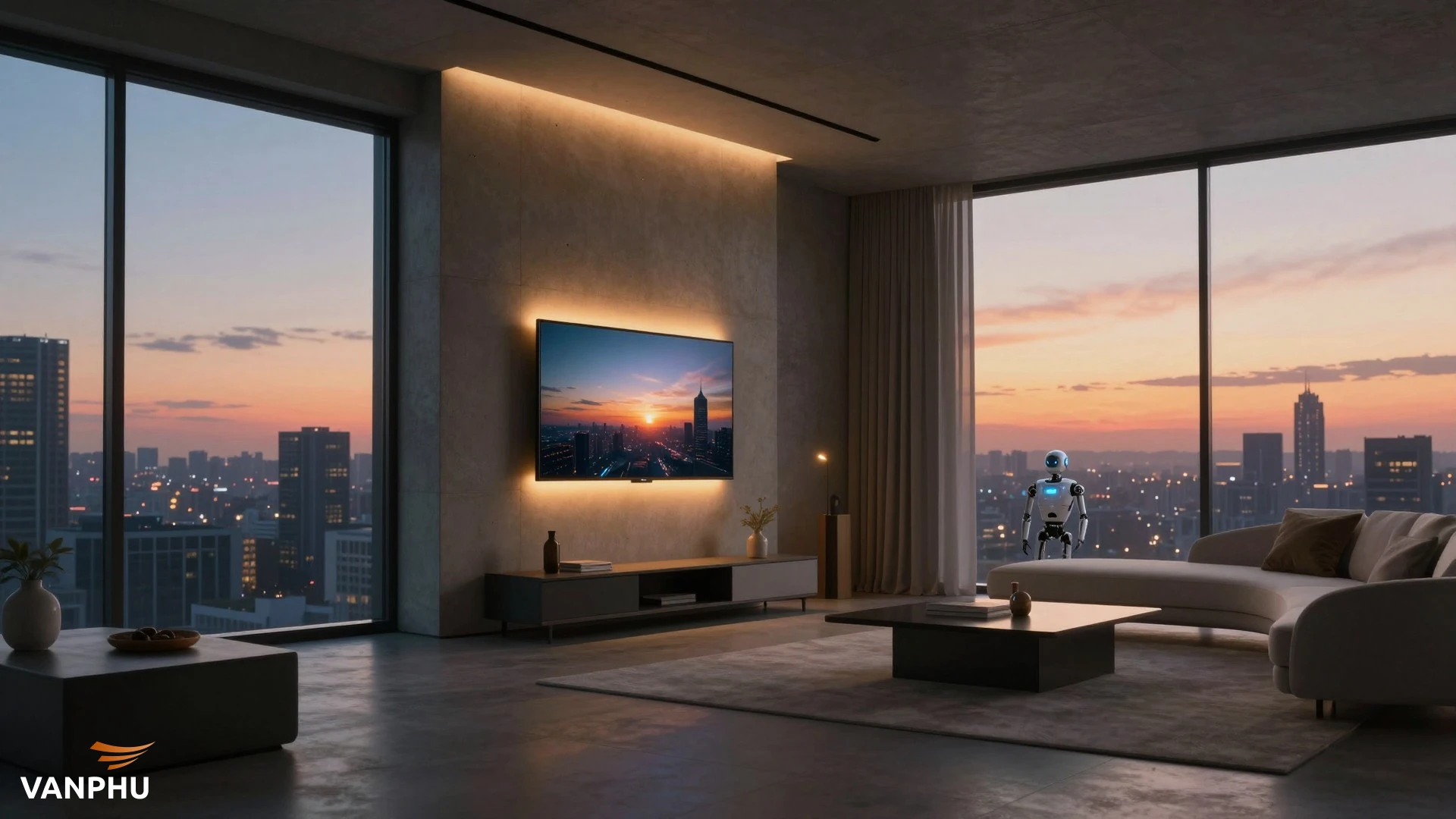
How does a smart apartment 4.0 differ from a traditional home?
Traditional apartments rely on physical interactions for every task. You must manually flip switches to turn on lights. You have to walk to the window to pull the curtains. In contrast, a smart apartment 4.0 operates on an Internet of Things (IoT) platform [2]. This platform connects every electronic device to a central hub.
The difference is visible in the smallest details. In an old home, light switches were large and purely functional. Modern smart homes use minimalist touch panels or voice commands. Furthermore, these systems provide remote access from anywhere in the world. You can check your front door while sitting in a coffee shop miles away.
Security also marks a significant point of departure. Traditional homes use physical keys and basic alarms. A smart residence uses biometric data and AI-driven surveillance. This transition elevates the living experience to a new level of sophistication [1]. It turns a static building into a living, breathing environment.
Why is the Internet of Things (IoT) the backbone of smart living?
The Internet of Things allows devices to communicate with each other. This connectivity is what makes an apartment "smart" rather than just "automated." For instance, your alarm clock can tell your coffee maker to start brewing. This seamless interaction defines the 4.0 era. It removes the friction from daily chores.
Every sensor in the house plays a vital role. Temperature sensors talk to the air conditioning system. Motion sensors communicate with the lighting grid. Because these devices share data, they can optimize energy consumption. This leads to significant cost savings over time for the homeowner.
Developers are increasingly focusing on this digital infrastructure. Prominent developers like Văn Phú are now incorporating these advanced IoT frameworks into their latest residential projects. They recognize that connectivity is as important as plumbing or electricity. Without a robust network, a smart home cannot function effectively.
What are the essential features of a smart apartment 4.0?
A true smart home offers a comprehensive suite of utilities. According to industry experts, a standard 4.0 apartment usually includes at least ten core features [1]. These range from basic lighting control to advanced safety protocols. Each feature aims to enhance the user's quality of life.
- Remote control of all devices via a single smartphone app.
- Smart lighting systems that adjust based on the time of day.
- Automatic curtain control for privacy and natural light management.
- Climate and air quality monitoring for a healthier environment.
- Automated door status checks and remote locking capabilities.
- 24/7 integrated security and surveillance systems.
- Fire and gas leak detection with instant mobile alerts.
- Automatic garden or balcony irrigation systems.
- Unlimited connectivity with other smart ecosystems.
- Energy and water usage tracking for better efficiency.
These features work together to create a "Smart Living" experience. This concept ensures that the home is not just a place to sleep. It becomes a tool that supports your health and productivity. By automating repetitive tasks, you gain more time for your family and hobbies.
How does artificial intelligence enhance the smart home experience?
While IoT connects devices, Artificial Intelligence (AI) provides the brainpower. Modern 4.0 apartments use AI to analyze resident behavior [2]. The system learns when you wake up and what temperature you prefer. Eventually, it can anticipate your needs without any input.
AI also plays a critical role in voice recognition. You can control your entire home using simple spoken commands. This is particularly helpful for the elderly or people with disabilities. It makes the home environment more inclusive and accessible for everyone. AI transforms a collection of gadgets into a personalized assistant.
Furthermore, AI improves the precision of technical calculations within the building's management system. For example, when calculating the optimal distribution of light or heat, the system might use complex algorithms. These algorithms often rely on fundamental mathematical principles, such as determining the square root of specific area values to achieve perfect symmetry [5]. This technical depth ensures the apartment remains efficient and comfortable.
Which security layers protect a smart apartment 4.0?
Security is often the primary reason people upgrade to smart homes. A 4.0 residence typically features a multi-layered security perimeter [4]. The first layer often begins at the parking garage. Advanced cameras use License Plate Recognition (LPR) to identify authorized vehicles automatically.
The second layer involves facial recognition at the building entrance. This ensures that only residents and registered guests can enter the lobby. Inside the apartment, sensors monitor for any unusual activity. If a window opens while you are away, you receive an immediate notification. This provides peace of mind that traditional locks cannot match.
Moreover, these systems are integrated with emergency services. In the event of a fire or gas leak, the system can automatically alert the authorities [1]. It can also shut off the main gas valve to prevent a disaster. This proactive approach to safety is a hallmark of the 4.0 generation.
How does smart technology promote health and wellness?
Smart apartments are increasingly focused on the well-being of their inhabitants. Sensors can monitor the level of CO2 and humidity in the air. If the air becomes stale, the ventilation system activates automatically. This ensures a constant flow of fresh air, which is vital for mental clarity.
Lighting also affects our health through our circadian rhythms. Smart bulbs can mimic natural sunlight throughout the day. They provide bright, blue-toned light in the morning to energize you. In the evening, they shift to warm, amber tones to help you relax. This helps regulate sleep patterns and reduces stress.
Many tech-savvy families are now looking for these health-centric features. You might wonder why is sustainable housing becoming the top choice for young families? The answer lies in the combination of environmental responsibility and personal health. Smart technology makes it easier to achieve both goals simultaneously.
What are the financial benefits of investing in a smart home?
Many buyers assume that smart homes are prohibitively expensive. However, the market is becoming much more accessible. Some projects offer smart apartment options with very reasonable monthly installments [3]. This allows middle-income earners to enjoy high-tech living without financial strain.
Beyond the purchase price, smart homes offer long-term savings. Automated energy management can reduce electricity bills by up to 30%. The system ensures that lights and AC are never left on in empty rooms. Additionally, smart water meters help detect leaks early, preventing costly repairs and waste.
From an investment perspective, smart features increase property value. As technology becomes standard, traditional apartments may depreciate faster. A home equipped with a robust 4.0 ecosystem remains competitive in the resale market. It appeals to the growing demographic of digital native buyers.
Where are the most prominent smart apartment projects located?
Vietnam is seeing a surge in smart residential developments. Major cities like Ho Chi Minh City and Hanoi are leading this trend. In District 7 of Ho Chi Minh City, projects like Sunshine Diamond River are setting new standards [2]. These developments are designed as "smart resorts" that offer a vacation-like experience every day.
In Hanoi, the Sunshine Golden River project is another prime example. It targets the "4.0 citizen" who values both luxury and innovation [4]. These projects often include specialized apps, such as Sunshine Home. These apps allow residents to book services, pay bills, and control their homes from a single interface.
If you are new to the local market, you should start by understanding the real estate market in Vietnam. Knowing the key players and regional trends will help you make a better decision. The growth of smart cities is transforming how we view urban property across the country.
How do smart homes simplify daily chores and maintenance?
Imagine waking up to a house that has already prepared itself for your day. At a scheduled time, the bedroom AC turns off and the living room curtains open [4]. The water heater activates so your shower is ready when you are. This level of automation removes dozens of small decisions from your morning.
Maintenance is also much simpler in a 4.0 apartment. The system can run self-diagnostics on appliances. If a filter needs changing or a pipe is clogged, you get an alert on your phone. You no longer have to wait for something to break before you notice a problem.
Even mundane tasks like watering plants are handled automatically. Smart irrigation systems check the soil moisture and only water when necessary [1]. This ensures your balcony garden thrives even when you are traveling. Technology takes over the "work" of living, leaving you with the "enjoyment" of it.
What role does mobile connectivity play in the 4.0 lifestyle?
The smartphone is the remote control for the modern life. In a smart apartment, the mobile app is the primary touchpoint between the user and the home. Sunshine Golden River residents, for example, use apps to personalize their 24/7 schedules [4]. You can create "scenarios" for different moods, such as "Movie Night" or "Dinner Party."
With one tap, the lights dim, the music starts, and the temperature drops. This connectivity extends beyond the walls of the apartment. Many smart buildings offer community features through the app. You can book the gym, reserve a BBQ pit, or chat with the building management instantly.
This constant connection ensures that you are always in control. Whether you are at work or on vacation, your home is just a swipe away. It reduces the anxiety of wondering if you left the stove on or forgot to lock the door. The mobile-first approach is the defining characteristic of the 4.0 generation.
Why is energy efficiency a core pillar of smart apartments?
Sustainability is no longer optional in modern construction. Smart apartments use technology to minimize their environmental footprint. By using motion sensors, the home ensures that energy is never wasted on empty spaces. This is a major step toward greener urban living.
Smart thermostats learn the thermal properties of your home. They know how long it takes to cool down and adjust accordingly. This prevents the AC from running at full power unnecessarily. Over a year, these small adjustments lead to a massive reduction in carbon emissions.
Furthermore, many smart homes integrate with renewable energy sources. Solar panels can feed into the smart grid of the building. The system then prioritizes using solar power during peak hours. This combination of smart tech and green energy is the future of the housing industry.
How does the 4.0 apartment cater to the next generation of buyers?
The "Generation 4.0" consists of people who grew up with the internet. They expect their homes to be as smart as their phones. For these buyers, high-speed Wi-Fi and smart hubs are basic necessities. They value efficiency, speed, and digital integration above all else.
Developers are responding by creating "Smart Living" ecosystems. These ecosystems go beyond the individual unit. They include smart parks, smart retail, and smart transportation within the development. It is a holistic approach to life that matches the fast-paced nature of the digital age.
As this demographic grows, the demand for smart apartments will only increase. They are not just looking for a place to stay; they are looking for a lifestyle partner. A home that can keep up with their digital needs is the only option they will consider. This shift is permanently changing the landscape of the real estate market.
Should you choose a smart apartment 4.0 for your next home?
The decision to move into a smart apartment depends on your lifestyle. If you value convenience, safety, and modern aesthetics, it is an excellent choice. The ability to control your environment with your voice or phone is a game-changer. It simplifies your life in ways you might not yet realize.
While there is a learning curve, most systems are designed to be intuitive. You do not need to be a computer scientist to operate a smart home. Most apps are as easy to use as social media. Once you experience the comfort of an automated home, it is very difficult to go back to a traditional one.
Ultimately, a smart apartment 4.0 is an investment in your future. It prepares you for a world that is becoming increasingly digital. It offers a sanctuary that is both high-tech and high-comfort. For the modern buyer, it is the ultimate expression of the 21st-century home.
More Information
- Smart Apartment 4.0: A residence equipped with interconnected smart devices and IoT systems to automate tasks and enhance security, comfort, and energy efficiency for modern residents.
- Internet of Things (IoT): A network of physical objects embedded with sensors and software that allows them to connect and exchange data with other devices over the internet.
- Artificial Intelligence (AI): Computer systems capable of performing tasks that typically require human intelligence, such as learning user habits and providing personalized home automation.
- Multi-layer Security: An integrated security approach using various technologies like facial recognition, LPR cameras, and motion sensors to create several protective barriers for a property.
- Square Root: A mathematical value that, when multiplied by itself, gives a specified number; used in architectural design and technical calculations for precise spatial planning.