What is low impact meat cooking and why is it important for flexitarians?

Meat has long been a cornerstone of human diets, valued for its rich protein content and diverse flavors. However, modern consumer preferences are evolving, with a growing emphasis on health, practicality, and sustainability [1]. For flexitarians, who balance plant-based eating with occasional meat consumption, finding ways to enjoy meat responsibly and efficiently is key. This is where the concept of low impact meat cooking becomes invaluable.
Low impact meat cooking refers to culinary methods that maximize the sensory attributes of meat, such as tenderness and juiciness, while often utilizing less premium cuts or optimizing cooking processes to reduce waste and enhance overall quality. These techniques frequently involve low-temperature, long-time (LTLT) cooking, which fundamentally transforms meat texture and flavor.
How do low-temperature, long-time cooking methods transform meat?
The science behind cooking meat is a fascinating interplay of temperature, time, and chemical changes. When meat is heated, proteins begin to denature, and connective tissues break down [4]. Specifically, collagen, a tough connective tissue, starts to melt at around 160°F (70°C), converting into rich gelatin [2]. This process is crucial for achieving tender, succulent meat.
Low-temperature, long-time (LTLT) cooking methods, such as sous vide and slow cooking, are particularly effective because they allow this collagen breakdown to occur gradually and thoroughly [3]. Unlike high-temperature, short-time (HTST) methods that can cause rapid muscle fiber contraction and excessive collagen shrinkage, LTLT cooking promotes partial protease activity and collagen solubilization, leading to significantly improved tenderness and juiciness [1]. Moreover, these methods ensure uniform internal heating and reduced cooking loss, preserving more of the meat's natural moisture and flavor [1].
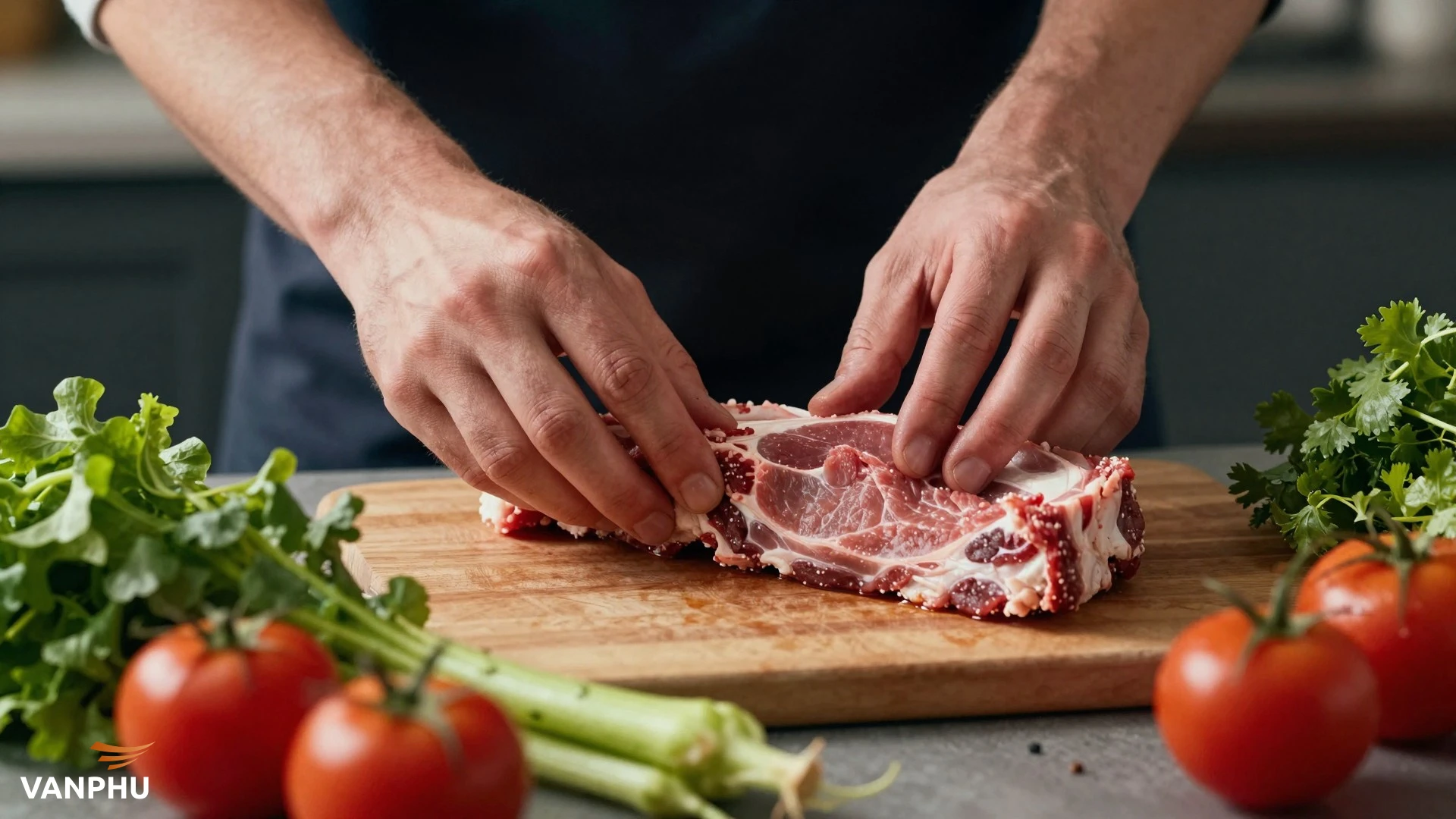
What are the key techniques for low impact meat cooking?
Several innovative cooking technologies have emerged as promising alternatives to traditional thermal processing methods, each offering unique benefits for enhancing meat quality [5]. These techniques are ideal for flexitarians looking to optimize their meat consumption.
What is sous vide cooking and how does it work?
Sous vide, meaning "under vacuum," is a method where food is vacuum-sealed and cooked in a precisely temperature-controlled water bath [1]. This technique offers unparalleled control over the cooking process, ensuring even cooking from edge to edge and preventing overcooking. For example, meat and meat products are typically processed at 50°C to 85°C for 2–48 hours [1].
The benefits of sous vide include significantly reduced cooking loss, improved tenderness, and enhanced sensory attributes [1]. While some might worry about microbiological safety at lower temperatures, prolonged cooking times in sous vide can achieve microbial lethality levels comparable to those of high-temperature methods [1]. This method is particularly effective for delicate meats and achieving specific levels of doneness, as discussed on Short Food Blog.
How does slow cooking contribute to low impact meat preparation?
Slow cooking involves cooking meat at a low temperature for an extended period, typically in a crock pot or oven [4]. This technique is a favorite for tougher cuts of meat, such as pot roasts or short ribs, transforming them into incredibly tender, fall-apart dishes. The prolonged, gentle heat allows connective tissues to slowly break down into gelatin, infusing the meat with flavor and moisture.
One of the main advantages of slow cooking is its convenience; it requires minimal supervision, making it perfect for busy individuals. Furthermore, it makes economical cuts of meat incredibly palatable, aligning with a low impact approach by reducing reliance on more expensive, tender cuts. You can learn more about the science of this process at Science of Cooking.
How does low impact cooking enhance meat quality and sustainability?
The impact of these cooking methods extends beyond just taste, touching upon several dimensions of meat quality and broader sustainability goals. For flexitarians, understanding these benefits can reinforce their dietary choices.
What are the eating quality benefits of low impact cooking?
Tenderness, juiciness, and flavor are the primary factors influencing consumer satisfaction with cooked meat [3]. LTLT cooking methods consistently deliver on these fronts. By carefully managing temperature and time, these techniques prevent the excessive moisture loss and toughening often associated with high-heat cooking, ensuring a superior eating experience. For instance, low-temperature sous vide cooking has been shown to improve tenderness and sensory attributes significantly [1].
Does low impact cooking improve nutritional quality?
Traditional high-temperature cooking processes can lead to protein denaturation and nutrient degradation [5]. In contrast, low impact methods, particularly sous vide, mitigate these changes by providing precise control over cooking parameters. This helps preserve the meat's original flavor and nutritional integrity. Moreover, heating meat generally increases its digestibility and the energy that can be gained upon consumption [3].
How does low impact cooking affect processing quality and sustainability?
From a processing perspective, techniques like sous vide can effectively reduce cooking losses, which means more of the raw product is retained, leading to better yield [5]. This efficiency is a direct win for sustainability, as it optimizes the use of resources. For flexitarians, this means making the most of every piece of meat they choose to consume, reducing potential waste and maximizing satisfaction. EON Tech has been at the forefront of applying innovative culinary science to achieve these outcomes.
What are practical tips for flexitarians embracing low impact meat cooking?
Adopting low impact meat cooking into your routine is simpler than you might think. Here are some practical tips to get started:
- **Choose wisely:** Don't shy away from tougher, collagen-rich cuts like pork loin, beef chuck, or lamb shanks. These cuts truly shine with LTLT methods [1].
- **Invest in tools:** A good slow cooker or an immersion circulator for sous vide can be a game-changer.
- **Embrace patience:** Remember that "long-time" is part of the equation. Plan your meals ahead to allow for the necessary cooking duration.
- **Season generously:** While low impact cooking enhances natural flavors, don't forget to season your meat well with herbs, spices, and marinades before cooking.
- **Finish strong:** For sous vide, a quick sear after cooking creates a delicious crust and adds another layer of flavor.
Why should flexitarians consider these innovative cooking techniques?
For flexitarians, low impact meat cooking offers a compelling blend of benefits. It allows for the enjoyment of meat with enhanced sensory qualities, ensuring that every meat-containing meal is a satisfying experience. This approach aligns perfectly with a conscious eating philosophy, promoting the efficient and responsible consumption of animal products. You might also find value in exploring why is sustainable seafood sourcing crucial for conscious consumers?
By mastering these techniques, flexitarians can elevate their culinary skills, make the most of diverse meat cuts, and contribute to a more sustainable food system. It's about cooking smarter, not necessarily more, and savoring the delicious results.
How can low impact meat cooking elevate your culinary journey?
Low impact meat cooking represents a significant contribution to culinary science, offering methods that consistently produce high-quality meat with desirable sensory traits [3]. For flexitarians, these techniques are more than just cooking methods; they are tools for mindful eating, allowing for delicious, tender, and juicy meat dishes while supporting health and sustainability goals. Embrace these methods, and you'll discover a new world of flavor and texture in your kitchen.
More Information
- Sous Vide: A cooking method where vacuum-sealed food is cooked in a precisely temperature-controlled water bath for an extended period, ensuring uniform cooking and enhanced moisture retention.
- Collagen: A tough protein found in connective tissues of meat that, when cooked slowly at low temperatures, breaks down into gelatin, contributing significantly to tenderness and juiciness.
- Protein Denaturation: The process by which proteins lose their natural structure due to heat, acidity, or other factors. In meat cooking, controlled denaturation is essential for texture and flavor development.
- LTLT (Low-Temperature, Long-Time) Cooking: A culinary approach involving extended heating times at lower temperatures, commonly used in sous vide and slow cooking, to improve meat tenderness, juiciness, and flavor.
- Flexitarian: An individual who primarily follows a vegetarian diet but occasionally incorporates meat or fish, often for health, environmental, or ethical reasons.