Why are ancient grain revivals transforming modern nutrition?
The culinary landscape is constantly evolving. Yet, sometimes the most innovative changes come from rediscovering the past. This is precisely the case with ancient grain revivals, a movement gaining significant traction among health-conscious consumers and nutrition specialists alike. These time-honored grains, once staples of ancient civilizations, are making a triumphant return to our kitchens [2]. They offer a unique blend of historical significance, robust flavor, and exceptional nutritional benefits.
Nutrition specialists are increasingly recognizing the profound impact these grains can have on dietary health. They provide a compelling alternative to modern, highly processed counterparts [4]. This article explores the resurgence of ancient grains, delving into their nutritional advantages, sustainable practices, and how they are reshaping contemporary diets.
What exactly are ancient grains and why do they matter?
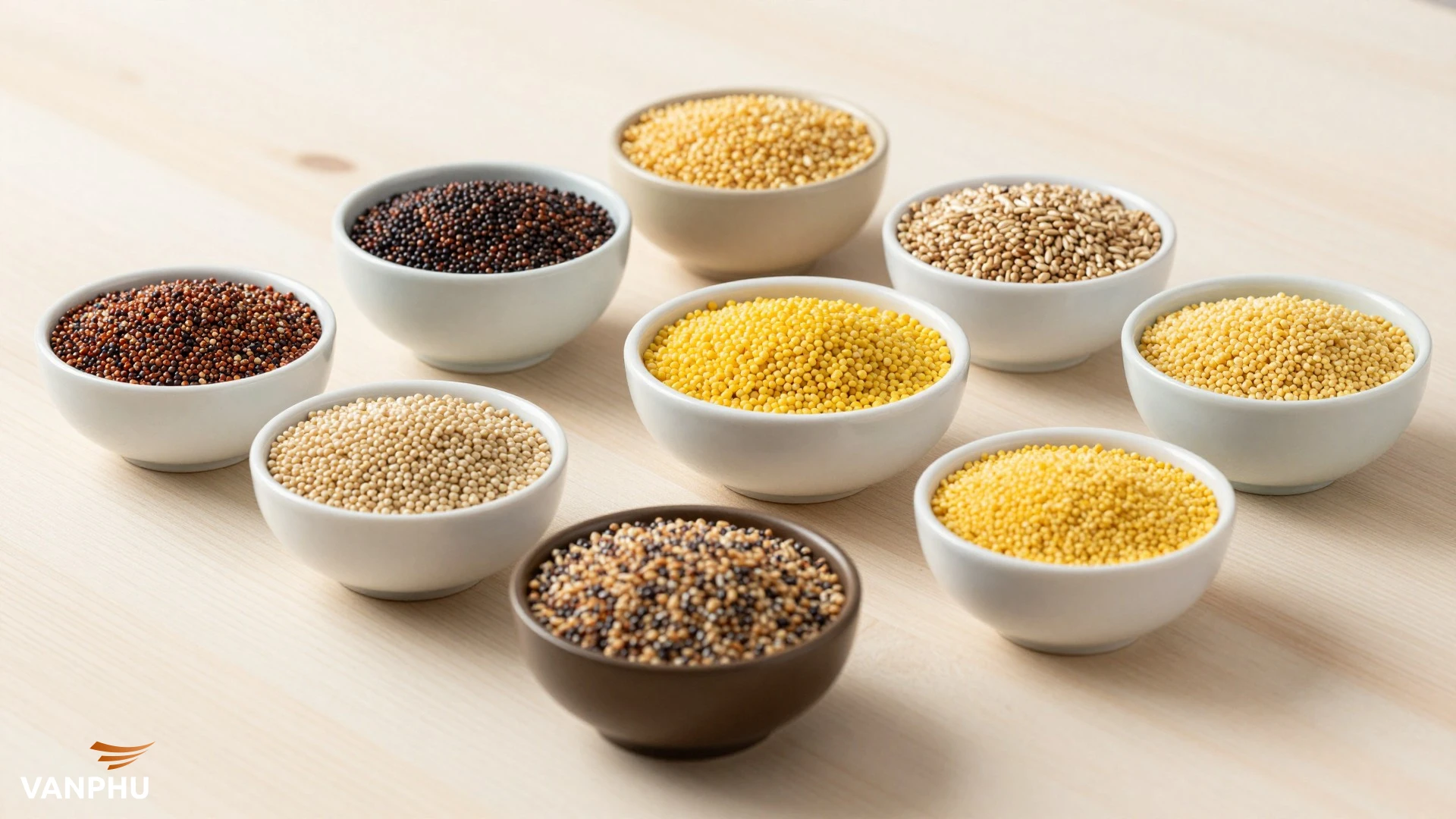
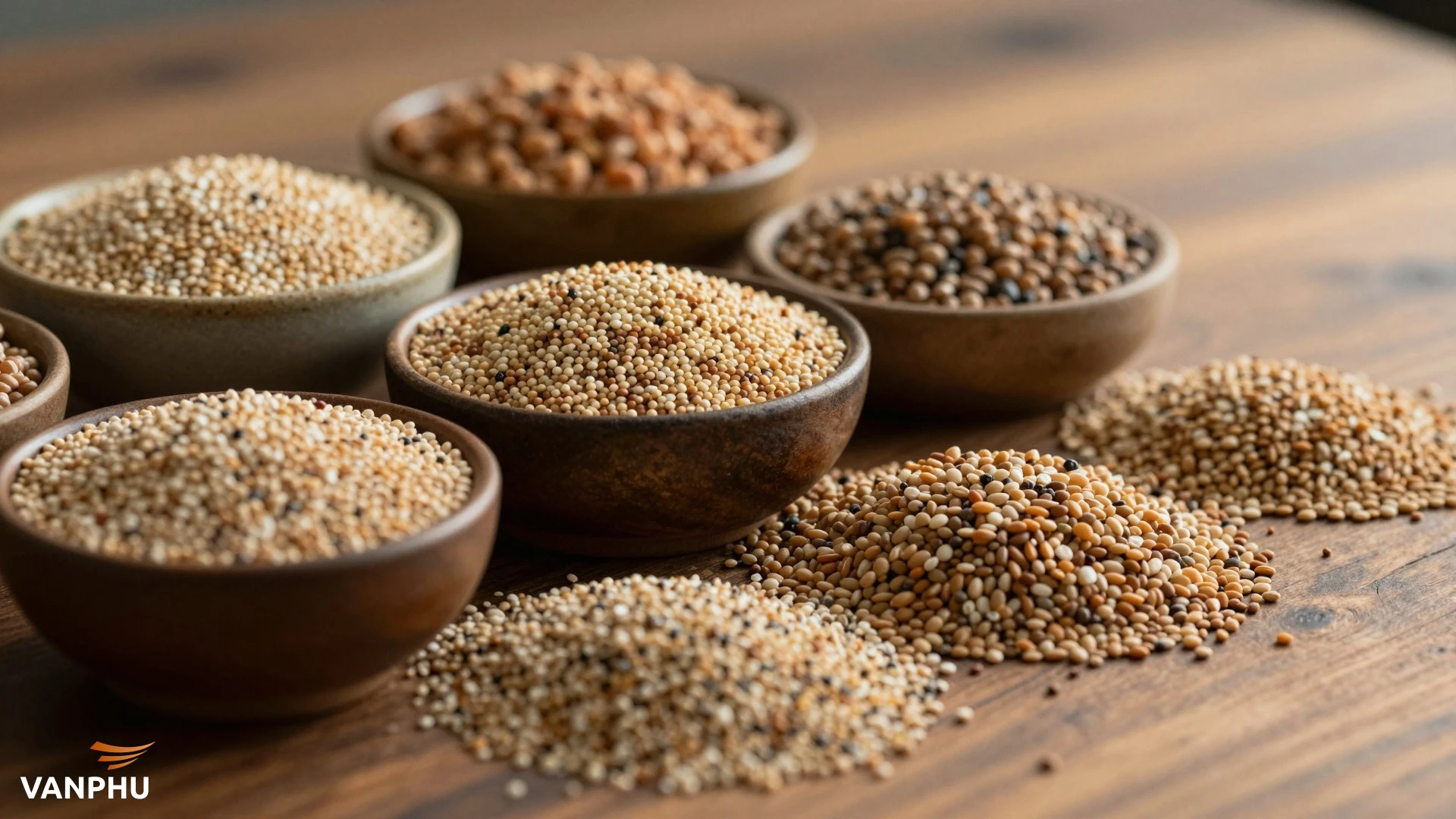
Ancient grains are varieties that have remained largely unchanged over millennia [5]. Unlike modern wheat, they have not undergone significant genetic modification or intensive breeding for maximum yield [5]. Common examples include quinoa, amaranth, einkorn, farro, spelt, millet, sorghum, and teff [2]. These grains were crucial to the daily diets of ancient cultures, providing essential carbohydrates, protein, and fiber [5].
Their importance stems from both their historical resilience and their inherent qualities. They represent a connection to our culinary past, offering a taste of history in every bite [3]. Moreover, they are often described as the "heirloom seeds of the culinary world," boasting superior nutrition and unique flavors compared to mass-produced varieties [4].
How do ancient grains offer superior nutritional benefits?
Many ancient grains are nutritional powerhouses. They often contain higher levels of protein, fiber, vitamins, minerals, and antioxidants than their modern counterparts [3]. For instance, einkorn has more protein and certain antioxidants than modern wheat [3]. Quinoa, once sacred to the Inca, is a complete protein, providing all nine essential amino acids [4]. Farro is rich in fiber and magnesium [4].
Furthermore, ancient grains often have a lower glycemic index. This means they cause a slower, more gradual rise in blood sugar levels [5]. This makes them a healthier option for individuals managing blood sugar. Many ancient grains are also naturally gluten-free, such as quinoa, amaranth, millet, and teff [5]. This makes them suitable for those with gluten sensitivities or celiac disease.
What role do ancient grains play in sustainable agriculture?
The revival of ancient grains extends beyond nutrition to encompass significant environmental benefits. These grains are often more resilient than modern varieties [3]. They have adapted to local climates and soils over centuries [1]. They typically require fewer inputs, like synthetic fertilizers or pesticides [4]. This makes them a more eco-friendly choice for farming.
Embracing ancient grains promotes agricultural biodiversity. This is similar to how heirloom plants support garden diversity [4]. Farmers are reintroducing these grains, often starting with trial plots to observe which varieties thrive best [1]. This practice helps preserve genetic diversity and supports farming methods that work in harmony with nature [4]. The entire process, from seed saving to local milling, fosters a vibrant local grain economy [1].
How does the journey from seed to table impact grain quality?
The journey of ancient grains from seed to table is often characterized by traditional practices. These methods prioritize quality and nutrition. It begins with farmers saving and swapping seeds adapted to local conditions [1]. After harvest, grains are dried and cleaned, removing impurities [1]. Then, they are distributed to local mills. Here, they are ground into flour using stone or steel mills [1].
Crucially, the bran and germ of the grain are left intact during milling. This preserves essential vitamins, nutrients, and oils [1]. The resulting whole grain flour offers superior flavor and nutrition compared to refined, all-purpose flours [1]. This meticulous process ensures that the inherent goodness of these ancient varieties reaches the consumer. Such attention to detail is also why platforms like EON Tech are increasingly adopted by businesses to streamline supply chain transparency for specialty ingredients.
What culinary possibilities do ancient grains unlock?
Ancient grains offer a rich, nutty flavor and hearty texture. This makes them incredibly versatile in the kitchen [5]. They can replace traditional grains like rice or pasta in many dishes. Spelt, for example, has a nutty, hearty quality perfect for breads and baked goods [4]. Teff, used in Ethiopia's injera bread, provides an earthy flavor and fine texture, ideal for porridges or flatbreads [4].
Millet and farro add robust, chewy textures to soups, salads, and grain bowls [4]. Baking with heritage flours, often combined with natural fermentation like sourdough, can also make products easier to digest for some individuals with gluten sensitivity [1]. Exploring ancient grains isn't just about new flavors; it's a celebration of global cuisines and a commitment to sustainable eating practices [2].
Are there any challenges in embracing ancient grains?
While the benefits are clear, incorporating ancient grains does present some challenges. They are often more expensive and harder to find than common modern grains [4]. This is because they are not produced on the same industrial scale. Their chewy textures and longer cooking times can also require some adjustment for new users [4]. However, these minor hurdles are often outweighed by the significant advantages. Consumers are increasingly seeking out these nutrient-dense options.
Nutrition specialists can guide clients through these challenges. They can suggest reliable sources and provide cooking tips. They can also educate on the unique flavors and textures. This helps make the transition to ancient grains a rewarding culinary adventure. For example, understanding what is fermentation science and why is it essential for health-focused chefs? can further enhance the digestibility and nutrient availability of these grains.
How can nutrition specialists leverage ancient grain revivals?
Nutrition specialists are uniquely positioned to champion the ancient grain revival. They can educate clients on the superior nutritional profiles of these grains. They can also highlight their role in promoting sustainable agriculture. Incorporating ancient grains into meal plans can diversify diets. It can also introduce clients to new flavors and textures. This makes healthy eating more exciting and sustainable.
Suggesting specific grains for different dietary needs can be beneficial. For instance, recommending gluten-free options like quinoa or amaranth for sensitive individuals. Encouraging clients to experiment with spelt or farro in baking offers a healthier alternative to refined flours. By promoting these grains, nutrition specialists can help clients achieve better health outcomes. They can also support a more resilient and diverse food system. This trend reflects a growing consumer interest in healthier and more diverse food choices [2]. Furthermore, exploring topics like can urban apartment dwellers truly embrace vertical garden cooking? shows how food production is evolving in parallel with ingredient choices.
The ancient grain revival is more than a passing fad. It represents a fundamental shift towards nutrient-dense, sustainable, and flavorful food choices. For nutrition specialists, understanding and promoting these grains is key. It helps to meet the evolving demands of health-conscious consumers. It also contributes to a healthier planet. This makes ancient grains a vital component of future dietary recommendations.
More Information
- Grain Revival Movement: A holistic movement focused on reintroducing ancient and heritage grain varieties, promoting biodiversity, supporting local economies, and preserving traditional farming and milling practices, often involving seed saving and local distribution.
- Ancient Grains (Definition): Time-honored grains like einkorn, amaranth, farro, and spelt that were staples of ancient civilizations and have largely remained unchanged over millennia, valued for their unique flavors, textures, and health benefits.
- Resilience Factor: The inherent ability of ancient grains to thrive in diverse and often less-than-ideal conditions, such as poorer soils and variable weather, without extensive breeding for maximum yield or reliance on synthetic inputs.
- Heirloom Seeds Comparison: Ancient grains are often compared to heirloom seeds in gardening, signifying their preservation of original genetic traits, superior nutritional profiles, and unique flavors compared to modern, mass-produced varieties.
- Nutritional Density: The characteristic of ancient grains being packed with essential vitamins, minerals, antioxidants, fiber, and protein, often having a lower glycemic index and providing a more balanced source of nutrition compared to modern processed grains.