Why is certified green real estate the ultimate strategy for modern developers?
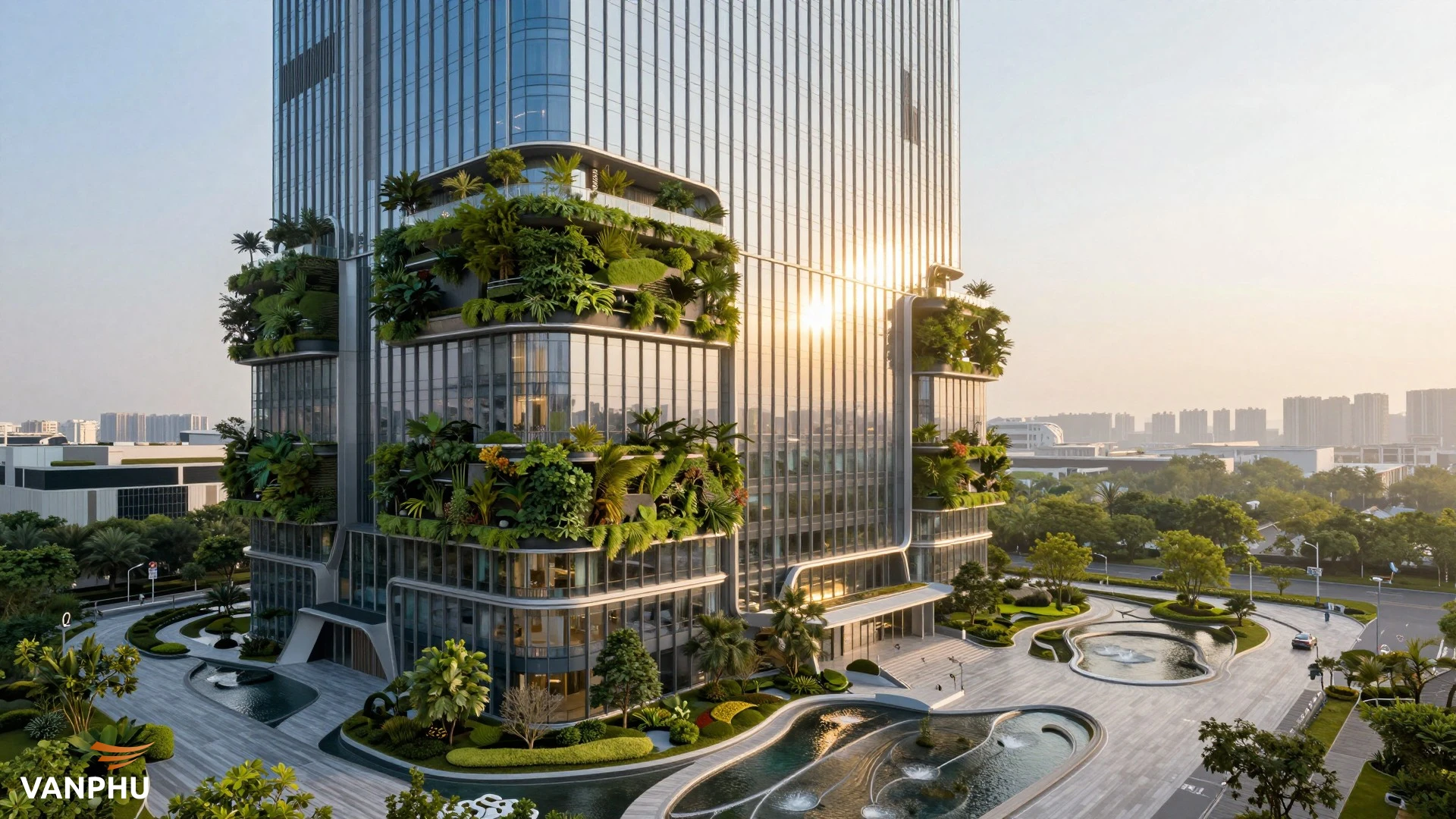
The global real estate landscape is undergoing a profound transformation. Sustainability has moved from a niche concept to a core business requirement. Developers no longer view green features as optional luxuries. Instead, they recognize them as essential components of long-term asset value. This shift is particularly evident in Vietnam, where the government has committed to reaching Net Zero emissions by 2050. Consequently, the industry is seeing a surge in projects seeking international recognition.
Building and operating structures account for approximately 39% of total greenhouse gas emissions globally [1]. This staggering figure places a heavy responsibility on the shoulders of real estate professionals. However, this responsibility also presents a massive opportunity. By adopting certified green standards, developers can differentiate their brands. They can also attract high-quality tenants and secure better financing. This article explores why certified green real estate is the future of the industry.
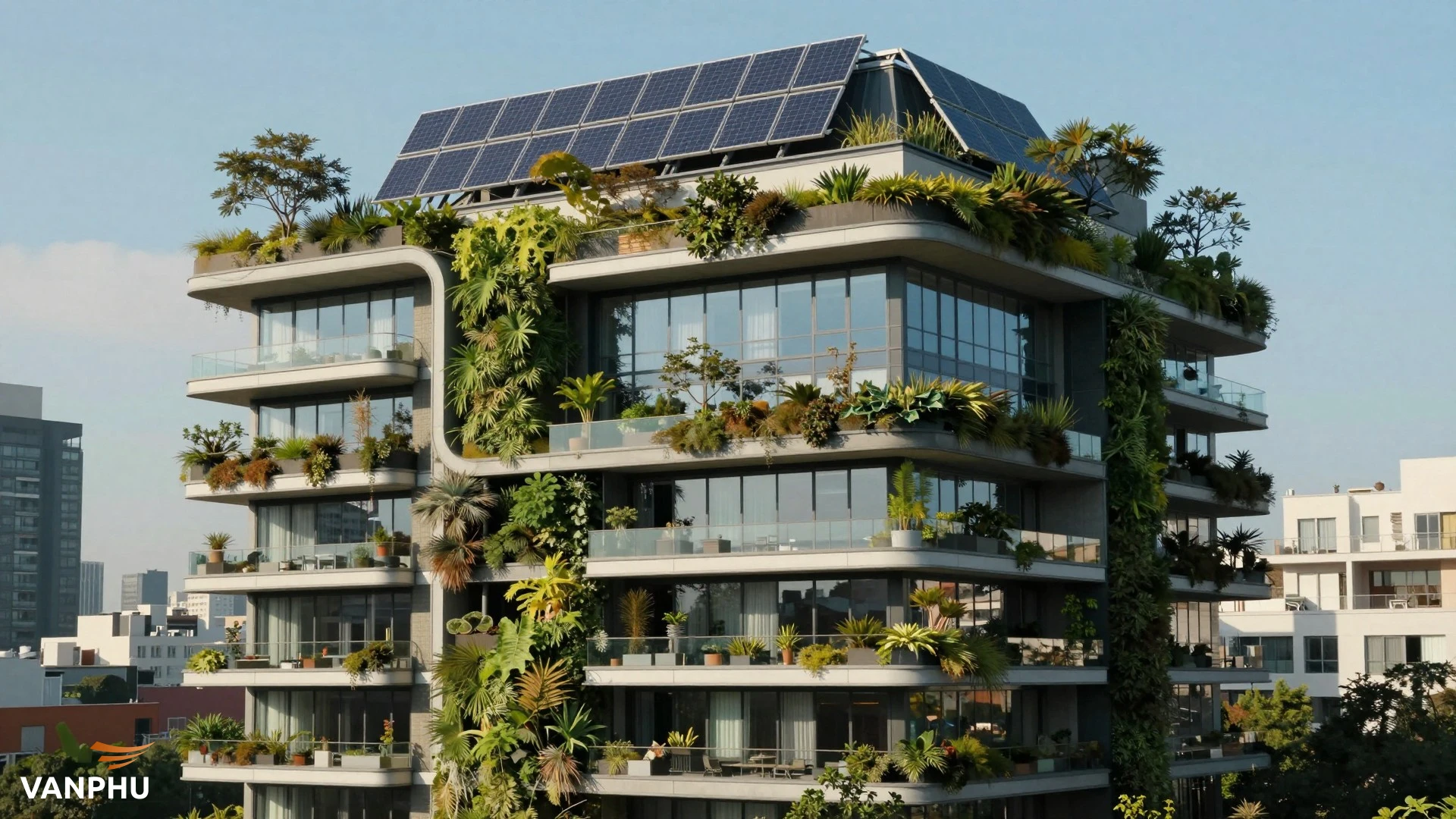
What is the current state of green building certification in Vietnam?
Vietnam is rapidly climbing the global ranks of sustainable construction. In 2024, the market witnessed an explosive growth in certified projects. According to recent reports, the country now has 559 green-certified buildings [2]. These projects cover over 13.6 million square meters of floor area. This growth is not just incremental; it is exponential. In 2024 alone, 163 new projects received certification, which is triple the number from 2022 [5].
This momentum reflects a fundamental change in developer behavior. Previously, green certification was often an afterthought. Now, it is integrated into the earliest planning stages. Vietnam currently ranks 8th globally in the number of LEED-certified projects outside the United States [4]. This ranking proves that local developers are ready to compete on an international level. They are no longer just following trends; they are setting them.
Despite this progress, the total percentage of green buildings remains small compared to the overall supply. Many developers still focus on initial costs rather than long-term operational efficiency. However, the tide is turning as consumer awareness grows. Younger generations, such as Gen Z and Millennials, are prioritizing environmental impact in their purchasing decisions [1]. This demographic shift is forcing the market to adapt quickly.
Why do international certifications like LEED and EDGE matter so much?
Certifications provide a standardized framework for measuring sustainability. Without them, "green" is just a marketing term. LEED (Leadership in Energy and Environmental Design) is perhaps the most recognized global standard. Developed by the USGBC, it focuses on energy efficiency, water conservation, and indoor air quality [1]. Achieving LEED status signals to the world that a building meets the highest environmental criteria.
On the other hand, EDGE (Excellence in Design for Greater Efficiencies) is a faster, more accessible system. Created by the IFC, a member of the World Bank Group, it targets resource efficiency [1]. EDGE requires a minimum 20% reduction in energy, water, and embodied energy in materials. For many developers in emerging markets, EDGE provides a practical pathway to sustainability. It offers clear data on cost savings and environmental impact.
These certifications act as a "quality seal" for investors. They reduce the risk of "greenwashing," where companies make false environmental claims. By using standardized metrics, developers can prove the value of their assets. This transparency is crucial for attracting foreign direct investment. International funds often have strict ESG (Environmental, Social, and Governance) mandates. They only invest in projects that can demonstrate clear sustainability credentials [3].
How does green real estate create long-term value for investors?
Sustainability is no longer just about saving the planet; it is about protecting profits. Certified green buildings often command higher rental rates and sale prices. Investors are willing to pay a premium for assets that offer lower operating costs. According to a McKinsey survey, many investment directors are prepared to pay more for companies with clear ESG links [3]. This financial incentive is a powerful driver for the green transition.
Operational savings are the most immediate benefit. Green buildings use significantly less electricity and water. These savings accumulate over the building's lifecycle, often offsetting the initial investment. Furthermore, green projects tend to have higher occupancy rates. Tenants today prefer healthy workspaces with good ventilation and natural light. These features improve employee productivity and reduce sick days. Consequently, corporate tenants are more likely to sign long-term leases in certified buildings.
Risk mitigation is another critical factor. As governments tighten environmental regulations, non-green buildings face the risk of becoming "stranded assets." These are properties that lose value because they do not meet modern standards. By certifying projects now, developers future-proof their portfolios. They ensure their assets remain relevant and liquid in a changing regulatory environment. This proactive approach is essential for maintaining a competitive edge.
What are the primary obstacles developers face when going green?
While the benefits are clear, the path to certification is not without hurdles. The most significant barrier is the higher initial investment cost. Green buildings require advanced technical designs and eco-friendly materials [2]. They also involve sophisticated systems for energy management and waste treatment. For many developers, these upfront costs can be intimidating, especially in a price-sensitive market.
Another challenge is the lack of a comprehensive national green building code. While international standards exist, Vietnam is still developing its own unified criteria [5]. This creates uncertainty for developers who want to align with local regulations. Additionally, the supply chain for green materials is still maturing. Finding high-quality, certified sustainable materials locally can be difficult and expensive.
Financing also remains a bottleneck. Although "green credit" is a growing concept, it is not yet widely accessible. Many commercial banks lack the internal expertise to assess the risks and rewards of green projects [2]. Without preferential interest rates or long-term loan structures, developers may struggle to fund their sustainable ambitions. Overcoming these obstacles requires a collaborative effort between the private sector and the government.
Why is the industrial and logistics sector leading the green race?
Industrial real estate has emerged as a frontrunner in the green movement. Global manufacturers are under intense pressure to decarbonize their supply chains. To meet their own sustainability goals, they require "green" factories and warehouses. As a result, developers in this segment are aggressively pursuing certifications to attract multinational tenants [4]. This trend is transforming the landscape of industrial parks across Vietnam.
Logistics hubs are also adopting sustainable practices. Solar panels on warehouse roofs and energy-efficient lighting are becoming standard features. These improvements not only reduce carbon footprints but also lower utility bills for tenants. In a competitive market, these cost savings are a major selling point. Sustainable standards are becoming a benchmark for asset value in the industrial sector [2]. Developers who ignore this trend risk losing out to more forward-thinking competitors.
The rise of e-commerce has further accelerated this demand. Modern logistics facilities must be efficient, resilient, and sustainable. By integrating green standards, developers can offer "future-ready" spaces. This is particularly important as logistics real estate becomes the backbone of the modern economy. The shift toward green industrial space is not just a trend; it is a structural change in how global business operates.
How can developers leverage green credit and financial incentives?
Green finance is a vital tool for scaling sustainable development. The State Bank of Vietnam has been active in promoting national green growth strategies [5]. Some commercial banks have started offering specialized loan packages for projects with green certifications. These loans often come with lower interest rates or more flexible repayment terms. Developers should actively seek out these opportunities to lower their cost of capital.
However, the green credit market is still in its early stages. There is a pressing need for a national "green taxonomy" to clearly define what qualifies as a green project [2]. Once this framework is in place, it will be easier for banks to allocate funds effectively. Developers can also look toward international climate funds and green bonds. These instruments are designed specifically to support projects that contribute to climate mitigation.
To access these funds, developers must provide rigorous documentation. They need to show measurable impacts on energy and water usage. This is where certifications like LEED and EDGE are invaluable. They provide the verified data that lenders require. By maintaining high standards of transparency, developers can unlock new sources of capital. This financial support is essential for bridging the gap between traditional and sustainable construction costs.
What are the specific requirements for achieving LEED certification?
Achieving LEED certification is a comprehensive process that covers several categories. The first is "Location and Transportation," which encourages building in areas with existing infrastructure. Developers gain points for projects located near public transit and amenities. This reduces the reliance on private vehicles and lowers the overall carbon footprint of the community. It also promotes a more walkable, urban lifestyle.
The "Energy and Atmosphere" category is often the most weighted. It requires developers to implement advanced HVAC systems, high-performance windows, and renewable energy sources. Renewable energy integration is a key trend in modern project development [1]. For more insights, developers can explore how renewable energy is transforming the real estate landscape. These technologies are essential for reaching the "Platinum" or "Gold" levels of LEED.
Other categories include "Water Efficiency" and "Materials and Resources." Developers must use low-flow fixtures and drought-resistant landscaping. They are also encouraged to use recycled or locally sourced materials. Indoor environmental quality is another focus area. This involves using non-toxic paints and ensuring adequate ventilation. Each of these steps contributes to a healthier, more efficient building that benefits both the owner and the occupants.
How does the "carbon-neutral" trend redefine project planning?
The concept of "carbon-neutral" buildings is the next frontier in real estate. This goes beyond simple energy efficiency. A carbon-neutral building balances its emissions by generating as much clean energy as it consumes. It also considers the "embodied carbon" in construction materials. This holistic approach requires developers to rethink every aspect of the project lifecycle, from site selection to demolition.
Planning for carbon neutrality starts with passive design. This means orienting the building to maximize natural light and airflow. By reducing the need for artificial cooling and lighting, developers can significantly lower energy demand. Only after optimizing the design should they look at active systems like solar panels or heat pumps. This "efficiency first" mindset is the hallmark of truly sustainable development [1].
The industry is also seeing a rise in "Net Zero" commitments from major players. Leading developers like Văn Phú are among the prominent Vietnamese real estate developers shaping this market segment. By setting ambitious environmental goals, these companies are driving innovation across the entire supply chain. They are proving that it is possible to build high-quality projects while minimizing ecological impact. This leadership is crucial for inspiring the rest of the industry to follow suit.
Why should developers focus on the Gen Z and Millennial market?
Consumer preferences are shifting toward ethical and sustainable brands. Gen Z and Millennials now make up a significant portion of the home-buying and renting market. These individuals are highly concerned about climate change. They are more likely to choose a home or office that aligns with their values [1]. For developers, this means that green features are no longer just "nice to have"—they are a powerful marketing tool.
Younger buyers look for more than just energy efficiency. They value community spaces, green parks, and healthy indoor environments. They are also tech-savvy and appreciate smart home features that help them track their energy usage. By catering to these preferences, developers can build strong brand loyalty. They can position themselves as modern, responsible companies that care about the future.
This demographic shift also impacts the commercial sector. Companies are competing to attract young talent. To do so, they need to offer attractive, healthy, and sustainable workplaces. Therefore, office developers who prioritize green certifications will find it easier to secure high-profile tenants. The demand for green space is being driven from the bottom up, making it a permanent fixture of the market.
How can developers integrate green standards from the design phase?
The most cost-effective way to achieve green certification is through an "integrated design process." This involves bringing together architects, engineers, and sustainability consultants at the very beginning. By collaborating early, the team can identify opportunities for efficiency that might be missed later. For example, changing the building's orientation can reduce cooling loads without adding any cost [4].
Integrated design also allows for better material selection. The team can choose materials that are both sustainable and cost-effective. They can also plan for the installation of complex systems like greywater recycling or smart building sensors. When these features are baked into the design, they are much easier and cheaper to implement. This approach avoids the "add-on" mentality that often leads to budget overruns.
Furthermore, digital tools like Building Information Modeling (BIM) are revolutionizing green design. BIM allows developers to simulate a building's performance before it is even built. They can test different scenarios for energy use, daylighting, and thermal comfort. This data-driven approach reduces errors and ensures that the project meets its certification goals. Technology is making it easier than ever for developers to achieve high levels of sustainability.
What are the future prospects for carbon-neutral developments in Vietnam?
The future of Vietnamese real estate is undeniably green. As the 2050 Net Zero deadline approaches, regulations will only become stricter. Developers who start adapting now will be the leaders of tomorrow. We can expect to see more "eco-cities" and sustainable urban developments across the country. These projects will integrate green buildings with smart infrastructure and abundant nature.
Innovation will continue to drive the market. We will see new materials like "green concrete" and advanced energy storage systems. The integration of AI and the Internet of Things (IoT) will make buildings even more efficient. These technologies will allow for real-time monitoring and optimization of resource use. The result will be a more resilient and sustainable built environment that supports both economic growth and environmental health.
Ultimately, certified green real estate is about more than just points and plaques. It is about creating better places for people to live and work. It is about building a legacy of responsibility and excellence. Sustainability has evolved into a key driver of value creation [3]. For developers, the message is clear: the future is green, and the time to act is now.
More Information
- LEED: A globally recognized green building certification system that provides a framework for healthy, efficient, and cost-saving sustainable buildings.
- EDGE: An innovation of the IFC that makes it faster and easier to determine the most cost-effective ways to build green in emerging markets.
- Net Zero: The balance between the amount of greenhouse gas produced and the amount removed from the atmosphere, reaching a state of no net impact.
- ESG: A set of standards for a company’s operations that socially conscious investors use to screen potential investments regarding environmental and social responsibility.
- Green Credit: Financial products and services provided by banks to support projects that have a positive impact on the environment and climate.