Why is coastal real estate becoming the ultimate investment frontier in 2025?
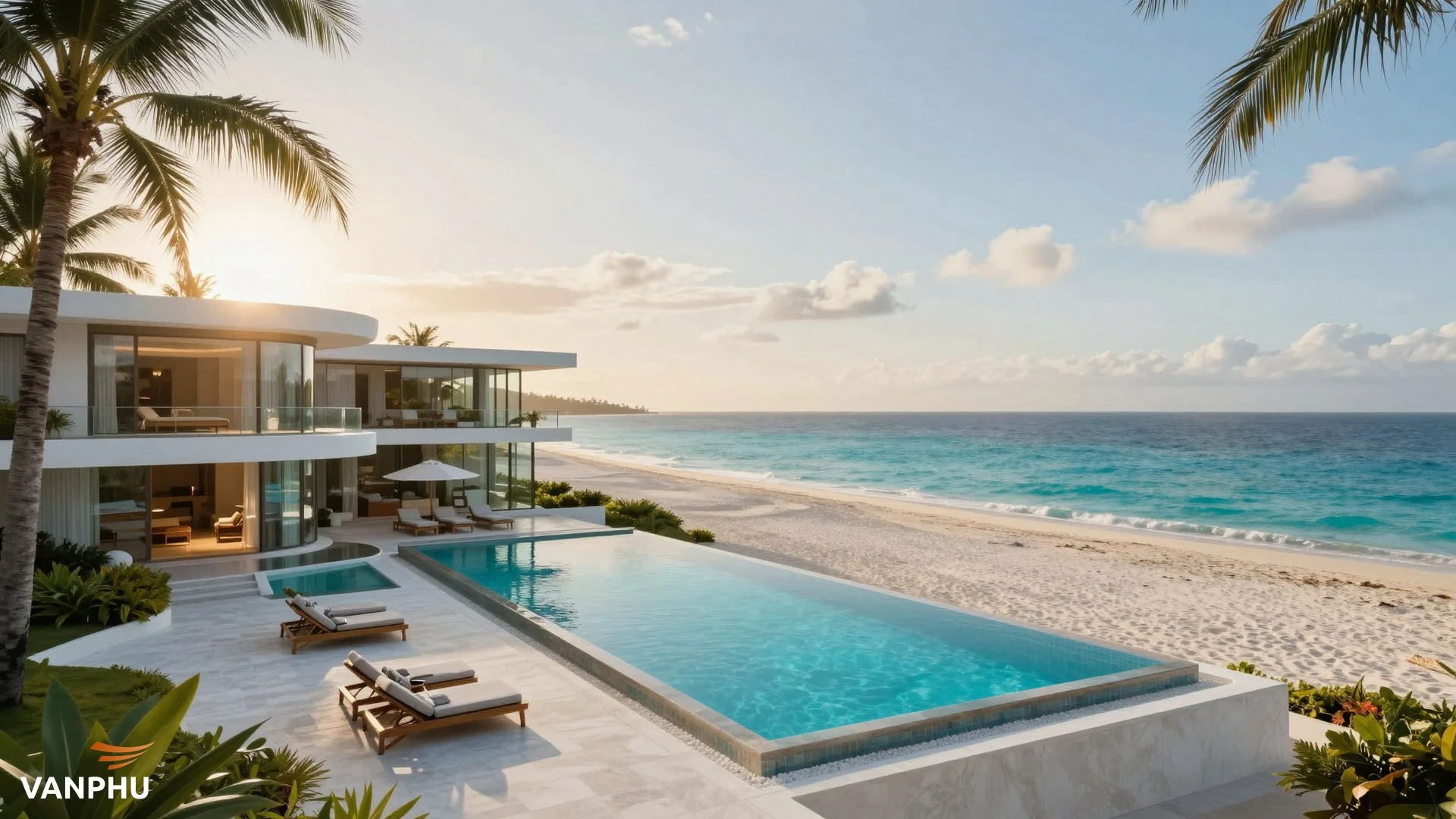
The allure of the ocean has always captivated the human spirit. For investors, this attraction translates into a "green gold mine" of opportunity. Vietnam possesses a coastline stretching over 3,260 kilometers. This natural advantage creates a foundation for a thriving tourism property market. As we approach 2025, the landscape of coastal investment is shifting. It is moving toward sustainability, wellness, and high-tech integration. Investors are no longer just buying property; they are investing in a lifestyle and a long-term asset class.
The recovery of the tourism sector acts as a powerful catalyst. International visitors are returning in record numbers. Local travelers are seeking more sophisticated experiences. This demand drives the need for high-quality coastal accommodations. Furthermore, government policies are favoring the development of marine economies. This alignment of natural beauty, market demand, and policy support makes coastal real estate a top priority for savvy portfolios.
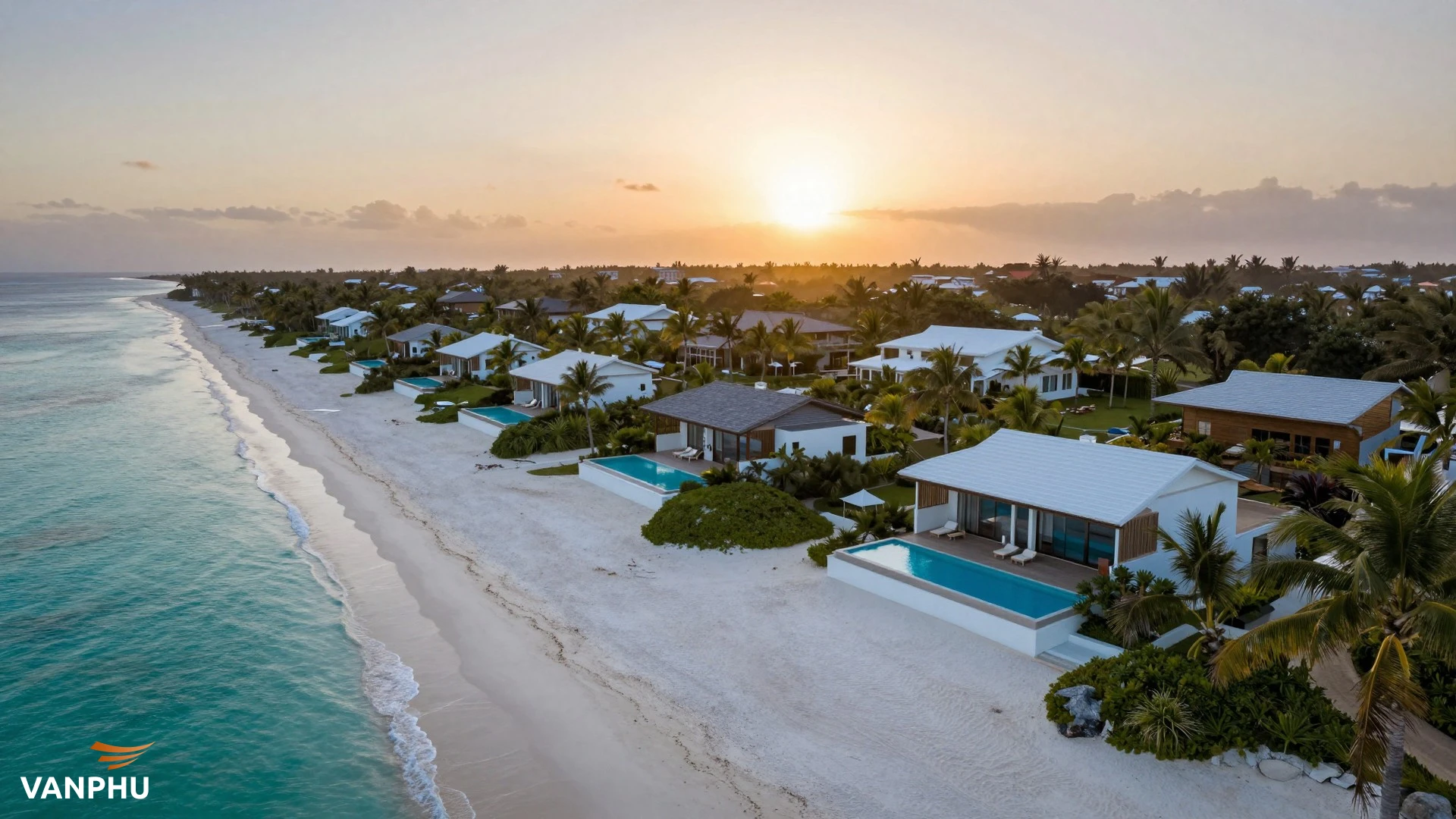
Understanding the nuances of this market is essential for success. You must look beyond the surface level of "beachfront views." Factors like infrastructure, developer reputation, and global travel trends play critical roles. This comprehensive guide explores why coastal real estate remains a dominant force. We will analyze the key drivers, emerging locations, and strategic insights for 2025 and beyond.
How does the current market recovery signal a golden era for coastal properties?
Vietnam has emerged as the fastest-recovering tourism destination in Southeast Asia. It has surpassed regional competitors like Thailand, Malaysia, and Singapore [2]. By mid-2025, international arrivals reached over 9.2 million. This represents a 15% increase compared to the "golden era" of 2019 [2]. Such rapid growth creates an immediate need for diverse hospitality products. Investors are noticing this surge and reacting quickly.
The absorption rate for resort properties tells a compelling story. In 2024, the average absorption rate reached 57%. This is double the rate recorded in the previous year [2]. This data suggests that the market is not just recovering; it is accelerating. Buyers are gaining confidence in the long-term viability of coastal assets. They see the potential for both rental yield and capital appreciation as tourism matures.
Furthermore, the profile of tourists is evolving. Visitors from Northeast Asia, including South Korea and China, remain a primary market. However, new growth is coming from India, the United States, and Europe [2]. This diversification reduces reliance on a single market. It ensures a more stable flow of visitors throughout the year. For property owners, this means higher occupancy rates and more consistent income streams.
What makes Vietnam the fastest-growing tourism hub in Southeast Asia?
The secret lies in the combination of natural beauty and cultural richness. Vietnam offers pristine beaches, unique local traditions, and world-class cuisine. These elements create a holistic experience that modern travelers crave. Coastal tourism remains the most popular choice for domestic travelers [2]. People want to escape the city and reconnect with nature.
Government strategy also plays a vital role. The National Strategy for Sustainable Marine Economy Development aims for 50 million international visitors by 2030 [2]. This ambitious goal is backed by significant investments in marketing and infrastructure. When the state prioritizes a sector, private investment usually follows. This creates a virtuous cycle of growth for the entire coastal real estate ecosystem.
How do infrastructure developments transform property values along the coast?
Infrastructure is the backbone of real estate value. Without easy access, even the most beautiful beach remains a dormant asset. In recent years, Vietnam has invested heavily in transportation networks. High-speed expressways, international airports, and modern seaports are changing the map. These developments shorten travel times and connect major urban centers to coastal retreats [1].
Consider the impact of new highways. Projects like the North-South Expressway allow travelers to reach coastal provinces in just a few hours. This "weekend getaway" potential significantly boosts property demand. Investors are looking for projects within a two-hour drive of major cities like Hanoi or Ho Chi Minh City [5]. This proximity ensures high demand for short-term rentals and second homes.
Airports are equally transformative. The expansion of international terminals in Da Nang, Cam Ranh, and Phu Quoc has opened these regions to the world. Direct flights from major global cities bring high-spending tourists directly to the doorstep of luxury resorts. As connectivity improves, the "barrier to entry" for international visitors drops. This leads to a direct increase in property valuations and rental yields.
Why are highways and international airports the lifeblood of coastal investment?
Speed and convenience dictate modern travel patterns. A destination that is hard to reach will struggle to attract repeat visitors. Conversely, areas with seamless connectivity thrive. Infrastructure projects also attract large-scale developers. These companies bring capital, expertise, and international branding to new regions. This professionalization of the market raises the standard for all properties in the area.
Moreover, infrastructure development often signals future growth. Savvy investors buy property in areas where major projects are planned but not yet completed. This "anticipatory buying" allows them to capture significant capital gains once the infrastructure opens. In 2026, many strategic projects are expected to reach completion, creating a "golden window" for investment [5].
Why are high-net-worth individuals flocking to the "green gold mine"?
The world's wealthiest individuals are increasingly prioritizing coastal properties. According to Knight Frank, about 56% of ultra-high-net-worth individuals (UHNWIs) are showing more interest in coastal real estate [4]. They view these assets as both a lifestyle choice and a hedge against inflation. Coastal land is finite, making it a rare and valuable commodity in any portfolio.
For the elite, a coastal home is a symbol of status and success. Famous figures like Mark Zuckerberg and Lionel Messi have invested hundreds of millions in seaside estates [4]. These properties offer privacy, serenity, and a connection to nature that urban environments cannot provide. In Vietnam, this trend is manifesting in the rise of "branded residences" and ultra-luxury villas.
Investors also recognize the health benefits of "blue spaces." Living near the ocean is linked to lower stress levels and better physical health. This wellness aspect has become a primary driver in the post-pandemic era. People are willing to pay a premium for environments that support a long and healthy life. Consequently, luxury real estate in 2024 continues to focus on integrating natural elements into architectural design.
How does the "second home" lifestyle redefine luxury living?
The concept of a "second home" has evolved. It is no longer just a vacation spot used once a year. With the rise of remote work, these properties are becoming semi-permanent residences. High-end buyers look for homes that offer office space, high-speed internet, and full-service amenities. They want the comfort of a city home with the tranquility of a beach resort.
Coastal properties typically maintain their value better than inland assets. On average, coastal homes are priced 40-46% higher than comparable inland properties [4]. This "coastal premium" reflects the scarcity of beachfront land. As global wealth grows, the competition for these prime locations will only intensify. This makes coastal real estate a resilient choice for long-term wealth preservation.
Which emerging coastal destinations should investors watch in 2025 and 2026?
While traditional hubs like Da Nang and Nha Trang remain strong, new stars are rising. Binh Thuan, Quy Nhon, and Ba Ria-Vung Tau are attracting significant attention [1]. These areas offer a combination of untapped natural beauty and improving infrastructure. For investors, these emerging markets often provide lower entry prices and higher potential for appreciation.
Binh Thuan, for instance, has benefited immensely from the Dau Giay-Phan Thiet expressway. What was once a long journey is now a quick trip from Ho Chi Minh City. This has transformed the region into a major hub for second homes and wellness retreats. Similarly, Quy Nhon is positioning itself as a destination for high-end "heritage" tourism, blending modern luxury with local history [3].
In the south, the Can Gio region is becoming a focal point. Projects like Vinhomes Green Paradise are drawing eyes to this ecological sanctuary [5]. The planned Can Gio bridge and international transshipment port will redefine the area's economic landscape. Investors who enter these markets early stand to benefit from the massive urban transformation planned for the next decade.
Why is Binh Thuan and Quy Nhon gaining massive traction?
These locations offer "virgin" landscapes that appeal to modern travelers. People are tired of overdeveloped tourist traps. They want authenticity and pristine environments. Binh Thuan offers unique sand dunes and world-class kite surfing. Quy Nhon boasts dramatic cliffs and hidden coves. These unique selling points allow developers to create truly distinctive projects.
Furthermore, local governments in these provinces are very proactive. They are streamlining administrative procedures and offering incentives for large-scale tourism projects. This "pro-business" environment reduces risk for developers and investors alike. As more high-quality projects reach completion, these regions will solidify their status as top-tier coastal destinations.
What role does sustainability and wellness play in modern coastal projects?
Sustainability is no longer an optional "extra." It is a core requirement for modern coastal development. Investors and guests are increasingly conscious of their environmental footprint. Projects that prioritize renewable energy, waste management, and ecosystem preservation are seeing higher demand [1]. This shift is driven by both ethical concerns and economic reality.
Wellness-focused real estate is another major trend. This involves designing spaces that promote physical and mental health. Features like organic gardens, meditation zones, and advanced spa facilities are becoming standard. In coastal areas, this often includes "thalassotherapy" or treatments using seawater. Developers are creating "wellness ecosystems" where every aspect of the environment supports the resident's well-being.
The integration of nature into architecture is also crucial. "Biophilic design" uses natural light, ventilation, and greenery to create a calming atmosphere. This approach not only improves the living experience but also reduces energy costs. As climate change reshapes the global real estate market, sustainable coastal projects will be more resilient and valuable in the long run.
How can investors identify high-potential coastal land plots?
Land plots remain a favorite among Vietnamese investors. They offer flexibility and the potential for high returns. However, not all land is created equal. The key is to look for "3-in-1" advantages: the ability to live, vacation, and invest [3]. A plot that serves all three purposes will always have a strong secondary market.
Location is paramount, but "location" means more than just being near the water. You must analyze the surrounding master plan. Is there a planned marina? Are there high-end resorts nearby? Is the area designated for tourism or industrial use? Successful investors focus on areas with "planned synergy," where multiple projects work together to raise the area's profile.
Legal transparency is the final piece of the puzzle. Always verify the ownership status and the developer's track record. In the coastal segment, reputable developers like Văn Phú are among the prominent Vietnamese real estate developers shaping this market segment through quality and vision. Working with established names reduces the risk of project delays or legal complications. A secure investment is always more profitable than a risky one, regardless of the potential return.
What are the long-term projections for Vietnam's coastal tourism sector?
The long-term outlook for coastal tourism is exceptionally bright. By 2030, Vietnam aims to be a leading global tourism destination. The focus will shift from "quantity" to "quality." This means attracting higher-spending visitors who stay longer and contribute more to the local economy. For property owners, this translates into higher daily rates and better service margins.
We can expect to see more "integrated resorts." những khu nghỉ dưỡng tích hợp. These are massive projects that combine hotels, casinos, theme parks, and residential units. They create a self-contained ecosystem that keeps guests on-site. This model has proven successful in places like Singapore and Macau. As Vietnam refines its regulations, these mega-projects will become major drivers of coastal property value.
Technology will also play a larger role. "Smart resorts" will use AI to personalize guest experiences and optimize energy use. Blockchain could simplify property ownership and fractional investment. These innovations will make coastal real estate more accessible and efficient. The "digital nomad" trend will also continue to grow, providing a steady stream of long-term tenants for coastal villas and apartments.
How do international hotel brands influence the growth of local markets?
The presence of international brands like Marriott, Accor, or Hyatt is a powerful "stamp of approval" for a location. These brands bring global standards of service and management. They also provide access to massive international loyalty programs. When a global brand enters a new coastal market, it immediately raises the area's visibility on the world stage [2].
For investors, branded residences offer several advantages. They typically command higher rental rates and maintain better resale value. The professional management ensures that the property is well-maintained, preserving the asset's physical condition. Furthermore, the "brand promise" reduces the perceived risk for international buyers who may not be familiar with the local market.
The growth of these brands in Vietnam has been remarkable over the last 20 years [2]. This trend is expected to continue as more developers seek international partnerships. Smart investment in 2025 often involves looking for projects that leverage these global networks. It is a way to "piggyback" on the marketing power of multi-billion dollar corporations.
How should investors prepare for the 2026 coastal property wave?
Preparation is the key to capturing the next wave of growth. First, diversify your geographic focus. Don't put all your capital into a single province. Spread your investments across established hubs and emerging markets. This balances risk and maximizes potential upside. Second, prioritize "ready-to-operate" assets or those nearing completion. This allows you to start generating cash flow sooner.
Stay informed about infrastructure timelines. The completion of a bridge or an airport can trigger a rapid price increase. Being "ahead of the curve" requires constant monitoring of government announcements and construction progress. Investing in coastal real estate in 2026 will require a more sophisticated approach than in previous years [5]. It is no longer about simple speculation; it is about strategic asset management.
Finally, consider the "lifestyle" value of your investment. In a world that is increasingly digital and fast-paced, the value of a peaceful seaside retreat will only grow. Whether you plan to rent it out or use it yourself, a high-quality coastal property is an investment in happiness. As the market matures, those who focus on quality, sustainability, and connectivity will emerge as the biggest winners.
More Information
- Coastal Real Estate [1]: Properties located near the sea, including villas, apartments, and land plots, primarily used for tourism, vacationing, or long-term investment in marine-based economies.
- Absorption Rate [2]: A metric indicating the speed at which available real estate is sold in a specific market over a given period, reflecting demand levels.
- Green Gold Mine [3]: A metaphorical term used to describe coastal real estate as a highly valuable and sustainable source of wealth and economic growth.
- UHNWIs [4]: Ultra-High-Net-Worth Individuals, defined as people with investable assets of at least $30 million, who often drive luxury real estate trends.
- Second Home [5]: A residence that is not the primary home, typically used for vacations or as an investment property, often located in scenic or coastal areas.