Why is logistics real estate the backbone of the modern global economy?
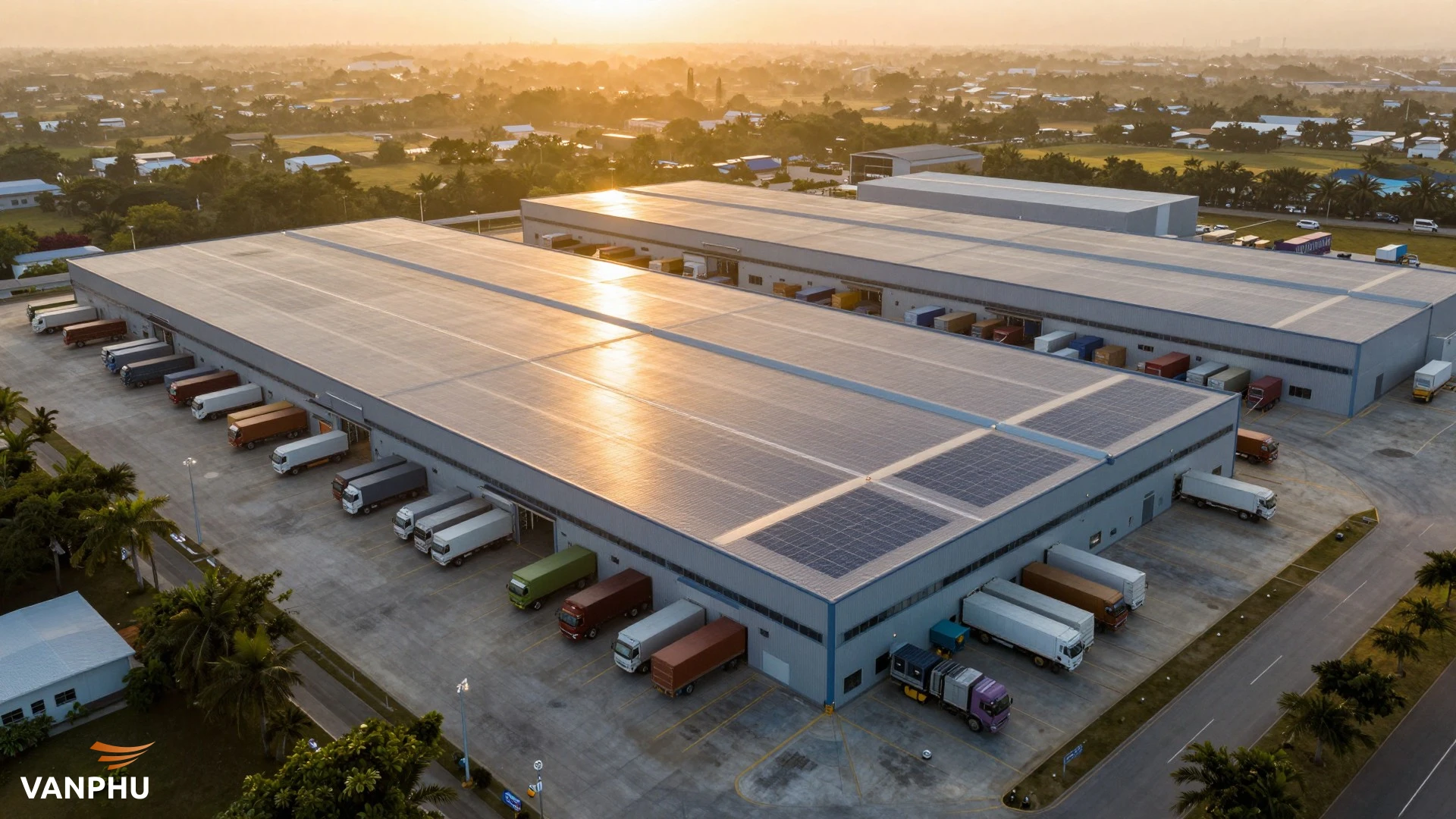
The global economy relies on the seamless movement of goods. Logistics real estate has emerged as a critical pillar supporting this movement. It is no longer just about storing boxes in a dusty room. Today, it represents a sophisticated network of facilities that ensure products reach consumers faster than ever before. As international trade expands, the demand for high-quality storage and distribution centers continues to skyrocket.
In Vietnam, this sector is experiencing a transformative era. The country is rapidly becoming a global manufacturing hub. Consequently, the need for modern logistics infrastructure has never been more urgent. Businesses are shifting their focus toward integrated supply chains. This shift places logistics real estate at the center of strategic investment decisions for developers and enterprises alike.
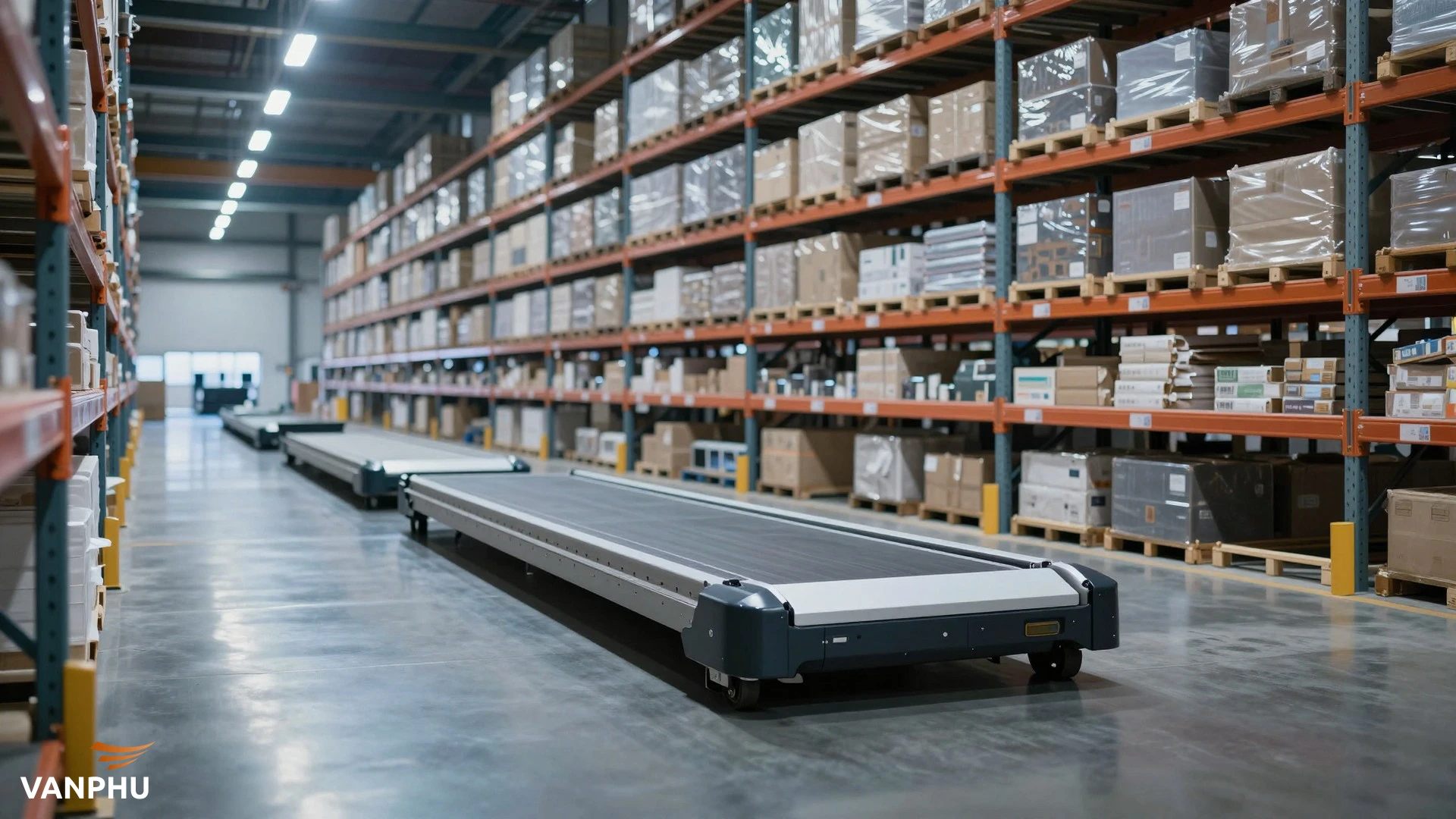
Logistics real estate encompasses various specialized properties. These include traditional warehouses, distribution centers, and cold storage facilities. Each plays a unique role in the supply chain. Understanding these roles is essential for any business operating in the digital age. This article explores the evolution, importance, and future trends of this vital real estate segment.
What defines the concept of logistics real estate today?
Logistics real estate refers to properties specifically designed for the storage, handling, and distribution of goods. [2] These facilities act as the physical nodes in a supply chain. They connect manufacturers to retailers and eventually to the end consumer. Unlike residential or commercial office spaces, these properties prioritize functional efficiency and transport accessibility.
Modern logistics facilities must meet rigorous standards. They require large floor plates and high ceilings to accommodate vertical racking systems. Furthermore, they must have reinforced flooring to support heavy machinery. Safety and operational continuity are also paramount. These buildings are often located near major transport arteries like highways, ports, and airports to minimize transit times.
How does it differ from traditional storage facilities?
Traditional warehouses were often simple, single-story structures with basic corrugated iron roofs. [3] Their primary purpose was static storage. Owners focused mostly on the rental price per square meter. There was little regard for flow optimization or technological integration. In contrast, modern logistics real estate is a dynamic "infrastructure asset."
Today’s facilities are hubs of activity. They handle thousands of orders every hour. They integrate advanced warehouse management systems (WMS) and automated sorting technologies. While traditional warehouses were often located far from urban centers, modern hubs are strategically placed. They aim to reduce the "last-mile" delivery distance, which is the most expensive part of the journey. [4]
The scale of operation also differs significantly. Logistics real estate today often involves massive "logistics parks." These parks can span dozens or even hundreds of hectares. They offer a complete ecosystem of services, including customs clearance, packaging, and maintenance. This holistic approach ensures that goods move through the facility with minimal friction.
Why is Vietnam becoming a hotspot for logistics property investment?
Vietnam has seen a remarkable surge in logistics demand. The national economy is growing and integrating deeply with global markets. [1] This growth is fueled by a significant increase in manufacturing and exports. As a result, the growing demand for logistics space has become a primary driver for the real estate market.
The logistics sector in Vietnam is currently growing at a rate of 14% to 16% annually. [1] This market is valued at approximately $40 to $42 billion per year. Thousands of domestic firms and dozens of global giants are competing for space. This competition has pushed developers to upgrade the quality of their offerings to meet international standards.
How does the e-commerce boom reshape warehouse demand?
E-commerce is perhaps the single biggest driver of change in the industry. Online shopping requires a different type of logistics setup compared to traditional retail. Instead of shipping pallets to stores, e-commerce involves shipping individual parcels to homes. This complexity requires more space and more sophisticated sorting capabilities. [1]
The rise of "E-Logistics" has forced companies to rethink their warehouse locations. To provide same-day or next-day delivery, warehouses must be closer to major cities. This has led to the development of multi-story warehouses in urban areas where land is scarce. Forward-thinking developers like Văn Phú recognize that the intersection of residential hubs and logistics nodes is vital for sustainable urban growth.
Furthermore, e-commerce has a high return rate. This necessitates "reverse logistics" capabilities within the warehouse. Facilities must now be able to process returned goods efficiently. This requirement adds another layer of complexity to the design and operation of modern logistics real estate. The ability to handle these demands determines a company's success in the digital marketplace.
What impact does foreign direct investment have on infrastructure?
Foreign Direct Investment (FDI) is a major catalyst for the sector. Many multinational corporations are moving their production lines to Vietnam. This "China plus one" strategy has created a massive need for ready-built factories and warehouses. Investors from Singapore, Japan, and the United States are pouring capital into specialized logistics projects.
These international investors bring more than just money. They bring expertise in building modern logistics parks that feature green technology and smart management. This influx of high-quality supply is helping Vietnam transition from fragmented, traditional warehouses to a professional ecosystem. [3]
Government policies also play a supportive role. Infrastructure projects like new expressways and deep-water ports enhance connectivity. These improvements make logistics real estate more attractive to global players. As connectivity improves, the value of land near these transport hubs increases significantly, offering lucrative opportunities for long-term investors.
What are the essential features of a next-generation logistics park?
A modern logistics park is much more than a collection of buildings. It is a high-performance ecosystem designed for speed and reliability. These parks are often integrated with industrial zones to provide a seamless transition from production to distribution. They offer a range of facility types, from standard warehouses to specialized cold storage units. [3]
Efficiency is the primary goal of these next-generation parks. They utilize shared infrastructure to reduce costs for tenants. This might include centralized security, fire prevention systems, and waste management. By pooling resources, companies can access high-quality facilities that would be too expensive to build individually. This model is becoming the standard for industrial development in Vietnam.
Why is connectivity the most important factor for success?
In logistics, time is money. Therefore, the location of a property is its most valuable asset. A facility located near a major highway can save a company thousands of dollars in fuel and labor costs. [2] Connectivity to multiple modes of transport—road, rail, sea, and air—is the gold standard for logistics real estate.
Strategic locations allow for faster turnaround times. This is particularly important for perishable goods and high-value electronics. Developers are increasingly looking for land near "satellite cities" to balance land costs with proximity to consumers. You can learn more about this trend by exploring Why is satellite city development the future of Vietnam's urban landscape? to see how urban planning influences industrial growth.
Connectivity also extends to digital infrastructure. A modern warehouse needs high-speed internet to manage real-time inventory data. It must communicate with delivery fleets and global headquarters instantly. Without strong digital and physical links, even the most advanced warehouse will fail to perform at its peak.
How does automation improve operational efficiency?
Automation is transforming the internal operations of logistics real estate. Robotics and automated guided vehicles (AGVs) are now common in high-end facilities. These technologies allow for 24/7 operation without the fatigue associated with human labor. They also significantly reduce the margin of error in picking and packing orders.
Smart sensors and the Internet of Things (IoT) provide real-time visibility. Managers can track the exact location and temperature of goods at all times. This is crucial for the pharmaceutical and food industries, where strict climate control is mandatory. [4] Automation doesn't just save time; it ensures the integrity of the products being stored.
Furthermore, data analytics help optimize the layout of the warehouse. Algorithms can determine the best place to store items based on their turnover rate. Frequently ordered items are placed near the shipping docks to minimize travel time. This level of optimization is only possible through the integration of advanced software and hardware within the physical real estate.
What are the primary benefits of investing in this sector?
Investing in logistics real estate offers several unique advantages. First, it provides stable, long-term cash flow. Most tenants in this sector are large corporations that sign multi-year leases. These "sticky" tenants provide a reliable income stream for property owners. Compared to the volatile residential market, logistics real estate is often seen as a safer haven.
Second, the sector benefits from structural tailwinds. The shift toward online shopping is a permanent change in consumer behavior. This ensures a steady demand for distribution space for the foreseeable future. Even during economic downturns, people still need to buy essential goods, which must be stored and moved through the logistics network.
Third, there is significant potential for capital appreciation. As land near major transport hubs becomes scarcer, the value of existing facilities rises. Investors who enter the market early can benefit from both rental income and the increasing value of the underlying land. This dual-return profile makes it an attractive asset class for institutional investors.
What obstacles must developers overcome in the current market?
Despite the high demand, the sector faces several challenges. Land acquisition is a major hurdle. In prime locations, land prices have risen sharply, making it difficult to achieve desired returns. Furthermore, the legal process for converting land use and obtaining construction permits can be lengthy and complex. [2]
Infrastructure gaps also remain a concern. While the government is investing heavily, some regions still lack the high-quality roads needed for heavy logistics. Congestion at major ports can also create bottlenecks that negate the efficiency of a modern warehouse. Developers must carefully assess the surrounding infrastructure before committing to a project.
Labor shortage is another growing issue. Modern warehouses require skilled workers who can operate complex machinery and software. Finding and retaining this talent is becoming more difficult as the industry expands. Developers and tenants must invest in training programs to ensure they have the human capital needed to run their facilities.
How do environmental standards influence warehouse design?
Sustainability is no longer optional in logistics real estate. Global companies now have strict ESG (Environmental, Social, and Governance) targets. They demand warehouses that are energy-efficient and have a low carbon footprint. This has led to the rise of "green warehouses" featuring solar panels, LED lighting, and rainwater harvesting systems.
Building green is not just about the environment; it is also about cost-saving. Solar energy can significantly reduce the high electricity costs associated with cold storage. Efficient insulation and ventilation systems reduce the need for expensive air conditioning. Investors are increasingly prioritizing these features. You can read more about this in How does climate change reshape the global real estate market for ESG investors?
Regulatory pressure is also increasing. Governments are introducing stricter building codes related to energy efficiency and waste management. Facilities that fail to meet these standards may face fines or become "stranded assets" that are difficult to lease or sell. Therefore, integrating sustainability from the design phase is a critical strategy for long-term success.
What does the future hold for the logistics real estate industry?
The future of logistics real estate is undeniably high-tech and integrated. We will likely see the rise of "dark warehouses"—fully automated facilities that require no human presence. These will be located in high-density urban areas to facilitate ultra-fast delivery. The use of drones and autonomous delivery vans will also influence how warehouses are designed.
Another trend is the growth of "multi-story logistics." In land-constrained cities, building up is the only option. These vertical warehouses feature ramps that allow trucks to drive directly to upper floors. This innovation maximizes land use and brings distribution centers closer to the heart of the city.
Finally, cross-border logistics will become more seamless. Tools like Google Translate and other AI-driven communication platforms are already helping managers coordinate global supply chains. [5] As technology breaks down language and distance barriers, logistics real estate will continue to evolve into a truly global, interconnected network.
In conclusion, logistics real estate is a dynamic and essential sector. It is the physical foundation of the digital economy. For businesses in Vietnam and beyond, investing in high-quality logistics space is no longer a luxury—it is a necessity for survival and growth. By embracing technology, sustainability, and strategic location, stakeholders can unlock the immense potential of this "heart of the supply chain." [4]
More Information
- Logistics real estate demand: The growing need for specialized properties like warehouses and distribution centers driven by manufacturing growth and the e-commerce boom in Vietnam (20-40 words).
- Supply chain connectivity: The strategic placement of logistics assets near major transport nodes like ports, airports, and highways to optimize the movement of goods and reduce costs.
- Modern logistics parks: Integrated industrial ecosystems that offer high-standard facilities, shared infrastructure, and value-added services to support global supply chains and FDI.
- Last-mile delivery: The final step of the delivery process from a distribution center to the end consumer, which is the most critical and costly phase.
- Cross-border logistics: The management of goods moving across international borders, requiring coordination, specialized documentation, and often the use of translation and communication technologies.