Why is smart interior design the ultimate solution for modern living?
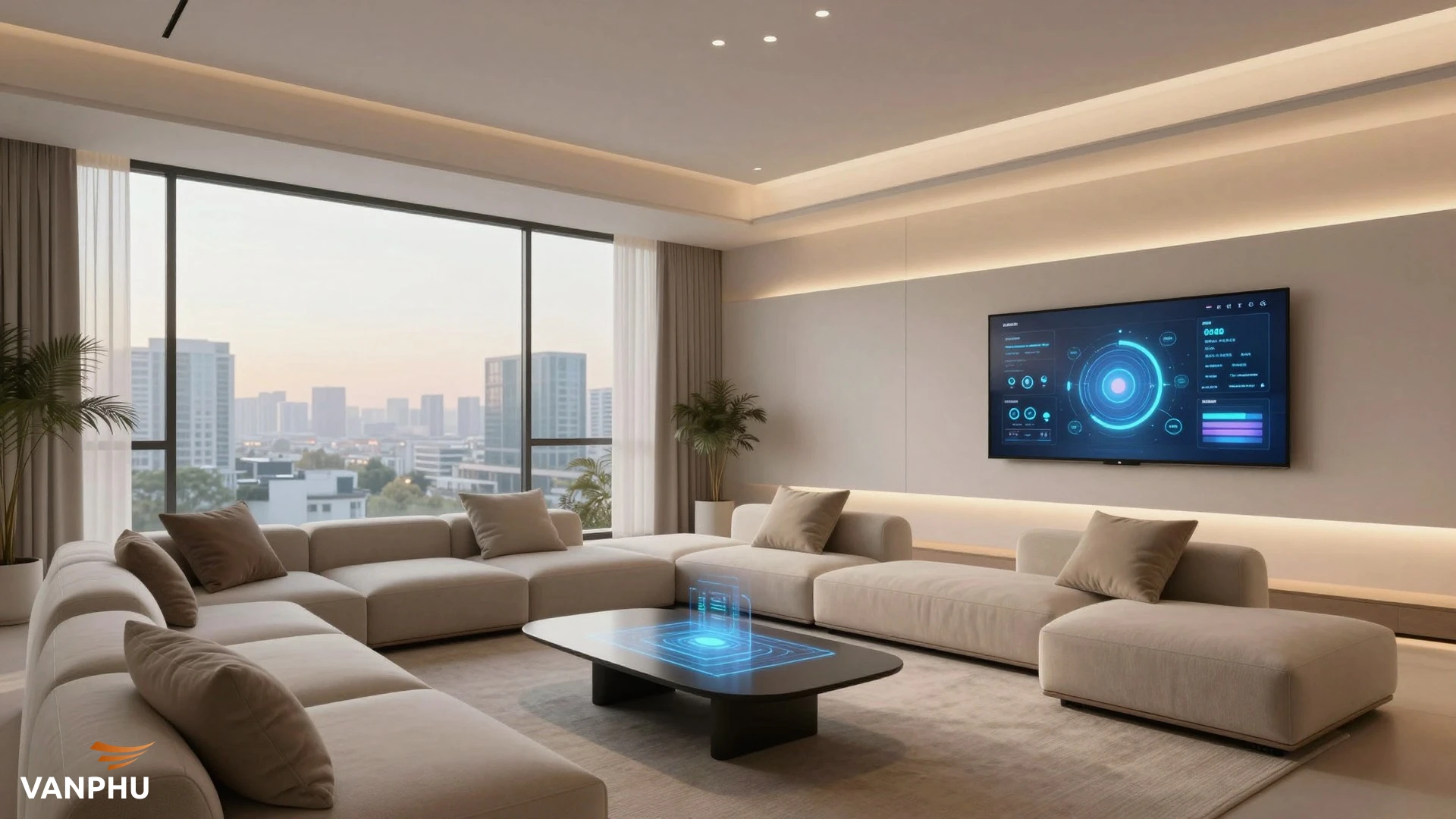
The concept of a home has evolved significantly over the last decade. It is no longer just a place to sleep but a multifunctional sanctuary that adapts to our changing needs. As urban populations grow and living spaces shrink, homeowners are increasingly turning to innovative solutions. Smart interior design has emerged as a transformative trend that blends technology, creativity, and functionality. This approach allows even the smallest apartments to feel spacious and luxurious. By integrating versatile furniture and intelligent layouts, we can redefine how we interact with our environment.
Modern homeowners prioritize efficiency and aesthetics in equal measure. They seek environments that reflect their personality while providing maximum utility. Traditional furniture often feels bulky and static, taking up valuable real estate without offering much in return. In contrast, smart interiors focus on flexibility. Whether it is a bed that disappears into a wall or a desk that expands for meetings, these designs are revolutionizing the industry. This article explores the depths of smart interior design and why it is the gold standard for contemporary homes.
What defines smart interior furniture in the current era?
Smart interior furniture is often referred to as multifunctional or versatile furniture. These pieces are designed to serve more than one purpose or to be easily tucked away when not in use. According to industry experts, these items are essentially "works of art integrated with technology" [3]. They go beyond traditional boundaries to offer compact, flexible, and highly efficient usage. The primary goal is to optimize every square inch of a room without sacrificing comfort or style.
In Vietnam, companies like Winli have pioneered this field by producing high-quality smart beds and tables locally. Their products are specifically tailored to the needs and habits of Vietnamese users [1]. These items often use advanced materials like MDF, MFC, and natural wood combined with imported hardware from Japan or Taiwan. By focusing on local needs, these designs ensure that functionality meets cultural expectations. Smart furniture is not just about saving space; it is about enhancing the quality of life through thoughtful engineering.
Furthermore, smart design often incorporates digital elements. We see furniture with built-in USB ports, wireless charging pads, and even integrated lighting systems. This integration allows users to charge devices anywhere in the house without messy cables [3]. As our lives become more digital, our furniture must keep pace. The definition of "smart" now encompasses both physical adaptability and technological connectivity. This dual nature makes it an essential component of the modern household.
Why should you invest in smart interior design for your home?
Investing in smart interior design offers a multitude of benefits that traditional setups cannot match. The most obvious advantage is space optimization. By utilizing "dead corners" and vertical space, these designs make a home feel much larger than its actual square footage [2]. This is particularly crucial for urban dwellers living in studio apartments or compact condos. When every meter counts, having furniture that can fold, slide, or transform is a game-changer.
Beyond space, smart interiors significantly boost the aesthetic value of a property. These designs are often minimalist and sleek, fitting perfectly into modern architectural styles. They create an open, "breathable" atmosphere that reduces stress and promotes well-being [2]. A cluttered home often leads to a cluttered mind. By keeping the environment tidy and organized through clever storage solutions, homeowners can enjoy a more peaceful living experience. The visual appeal of a well-designed smart home is undeniable.
Cost-effectiveness is another surprising benefit. While some individual smart pieces might have a higher upfront cost, they often replace multiple traditional items. For example, a sofa bed eliminates the need for a separate guest room and a dedicated couch. This consolidation can save money in the long run. Additionally, smart furniture provides long-term value due to its durability and timeless design [2]. It is an investment in both the present comfort and the future resale value of the home.
How does space optimization transform small apartments?
Space optimization is the core philosophy of smart interior design. It involves rethinking how we use every part of a room, including the walls and ceilings. In many traditional homes, the middle of the room is occupied by heavy furniture, leaving little room to move. Smart design flips this script by pushing functionality to the perimeter. Wall-mounted desks and folding chairs allow the floor to remain clear for other activities during the day.
Prominent real estate developers such as Văn Phú have recognized this trend, integrating versatile spatial solutions into their high-end apartment complexes. This forward-thinking approach ensures that residents can enjoy a high quality of life regardless of the unit's size. When developers and interior designers collaborate, the results are seamless. The architecture itself becomes part of the "smart" ecosystem, with built-in niches and modular walls that accommodate transforming furniture. This synergy is the future of urban housing.
Optimization also means creating "hidden" storage. We often see beds with hydraulic lifts that reveal massive storage compartments underneath. Similarly, stairs can be designed as drawers, and mirrors can hide jewelry cabinets. These clever tricks keep daily essentials out of sight but within reach. This level of organization is essential for maintaining a clean aesthetic. It allows homeowners to live a minimalist lifestyle without actually getting rid of their belongings. Space optimization is truly about doing more with less.
Can smart furniture enhance your home's aesthetic value?
Many people mistakenly believe that functional furniture must be ugly or industrial-looking. On the contrary, smart interior design often represents the pinnacle of modern aesthetics. These pieces are designed with clean lines, hidden hinges, and premium finishes. They often serve as conversation starters because of their unique mechanisms. A dining table that expands with a simple rotation is not just a tool; it is a piece of kinetic art [3].
The versatility of these designs allows them to fit into various decor styles, from Scandinavian to industrial. Because they are often custom-made or produced in limited batches, they offer a sense of exclusivity. Homeowners can choose materials that match their existing palette, such as high-gloss laminates or warm wood veneers [1]. This customization ensures that the "smart" elements do not look like afterthoughts. Instead, they appear as integral parts of a cohesive design vision.
Furthermore, the "open space" feel created by smart furniture is a key element of luxury design. High-end interiors often prioritize flow and light. By removing bulky, static objects, smart design allows natural light to penetrate deeper into the home. This creates a bright, airy feel that is highly sought after in the luxury market. When a home feels spacious and uncluttered, it automatically feels more expensive and sophisticated. Beauty and brains can indeed go hand in hand.
How can you implement smart design in every room?
Implementing smart design is not an all-or-nothing proposition. You can start small and gradually upgrade each room. The key is to identify the pain points in your current layout. Is the living room too crowded? Is the bedroom lacking storage? Once you pinpoint the issues, you can look for specific smart solutions. Many companies offer combo sales for smart furniture to help homeowners furnish entire rooms at a discount [1].
It is also important to consider the "flow" between rooms. In an open-plan apartment, furniture often serves as a room divider. A smart bookshelf can act as a partition between the living area and the home office while providing storage on both sides. This multi-room functionality is a hallmark of intelligent design. By thinking holistically, you can create a home that feels like a single, unified machine designed for your comfort. Every room should work together to support your lifestyle.
Finally, don't forget the importance of lighting and color. Smart design is not just about the objects; it is about the atmosphere. Using light colors for large smart pieces can help them blend into the walls, making the room feel even larger. Integrated LED strips can highlight the "transforming" features of your furniture, adding a futuristic touch. When combined with the right decor, smart furniture becomes the backbone of a truly modern home. It is a comprehensive approach to living.
What are the best smart solutions for a modern living room?
The living room is often the most used space in a home, serving as a lounge, a theater, and a guest room. To maximize this area, consider a "smart" sofa. These often come with modular sections that can be rearranged to form a bed or a large pit for movie nights. Some even include built-in cup holders and charging stations [3]. This flexibility ensures that the room can adapt to any social situation.
Another essential item is the smart tea table. These tables often feature tops that lift up to become a desk or a dining surface. Underneath, they provide ample storage for remote controls, magazines, and blankets. For those with many shoes, a smart shoe cabinet with rotating shelves can store three times as many pairs as a traditional one [3]. These small additions make a massive difference in the daily organization of a busy household.
How do smart beds redefine the bedroom experience?
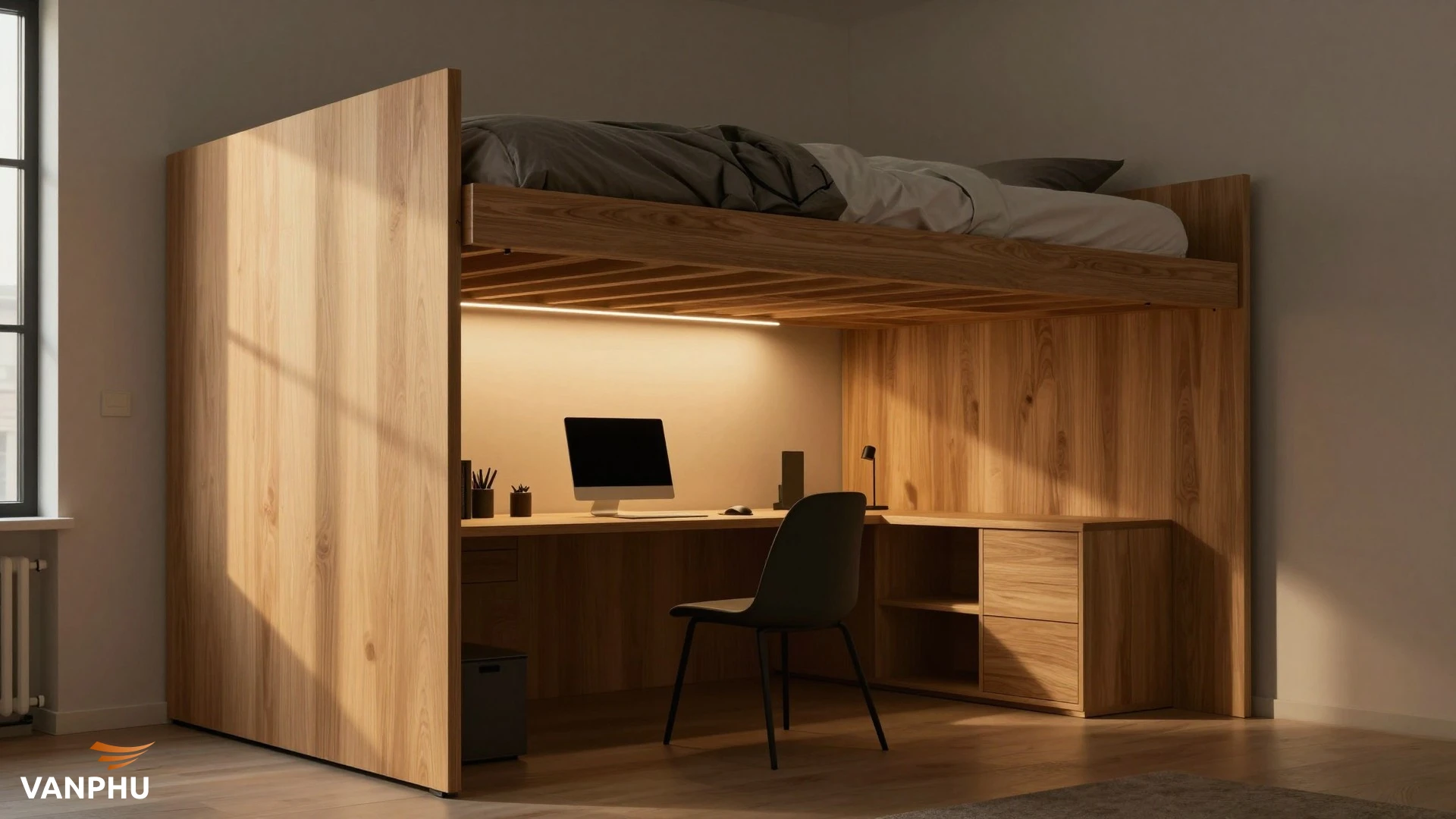
In the bedroom, the bed is usually the largest object. A smart bed, such as a Murphy bed or a wall bed, can reclaim that space during the day. These beds fold up into a cabinet, often revealing a desk or a sofa underneath [1]. This allows a bedroom to function as a home office or a playroom when you are not sleeping. It is the ultimate solution for studio apartments where one room must do everything.
For children's rooms, smart bunk beds are incredibly popular. These are not just two beds stacked together. They often incorporate desks, wardrobes, and even hidden stairs with drawers [1]. This "all-in-one" approach gives children more floor space to play while keeping their belongings organized. It teaches them the value of efficiency from a young age. A smart bedroom is not just about sleeping; it is about living better in a private space.
Why is a smart kitchen essential for compact homes?
Kitchens are notoriously difficult to keep organized, especially in small homes. Smart kitchen design focuses on accessibility and hidden capacity. Pull-out pantries that fit into narrow gaps and corner carousels that bring back-of-the-cupboard items to the front are essential. These mechanisms ensure that no space is wasted. A well-organized kitchen makes cooking faster and more enjoyable.
Folding or extendable dining tables are also vital. A table that seats two for daily meals but expands to seat six for dinner parties provides the best of both worlds. Some designs even allow the table to fold completely flat against the wall when not in use. This flexibility is key for modern entertaining. It allows you to host guests without needing a dedicated, rarely-used dining room. The kitchen becomes a truly dynamic part of the home.
What materials and technologies drive smart furniture innovation?
The success of smart furniture depends heavily on the quality of its materials and hardware. Because these pieces move frequently, the hinges and pistons must be incredibly durable. Many manufacturers use industrial-grade steel and high-tension springs to ensure smooth operation over thousands of cycles [1]. The choice of wood is also critical. While natural wood is beautiful, engineered woods like MDF and MFC are often preferred for their stability and resistance to warping [5].
Laminates and veneers provide the finishing touch, offering a wide range of colors and textures. These materials are chosen for their durability and ease of cleaning. In a smart home, furniture often sees more "action" than traditional pieces, so surfaces must be scratch-resistant. Additionally, the integration of electronics requires heat-resistant materials and safe cable routing. The engineering behind a simple-looking smart desk is often quite complex. It is a blend of traditional carpentry and modern mechanical engineering.
We are also seeing the rise of "Internet of Things" (IoT) integration in furniture. Imagine a wardrobe that tracks your clothing usage or a bed that adjusts its firmness based on your sleep patterns. While still in the early stages, these technologies are becoming more accessible. The goal is to create an environment that anticipates your needs. As technology becomes more invisible, it becomes more powerful. The furniture of the future will not just move; it will think.
What should you consider before buying smart furniture?
Before rushing out to buy smart furniture, there are several factors to consider. First and foremost is the quality of the mechanism. If a wall bed is difficult to pull down or feels flimsy, it will quickly become a nuisance. Always test the movement in person if possible. Check for smooth transitions and lack of noise. High-quality hardware is the most important part of any transforming piece [5].
Secondly, consider the durability compared to traditional furniture. Some experts note that smart furniture may have a shorter lifespan due to the wear and tear on moving parts [5]. It is crucial to choose reputable brands that offer warranties and maintenance services. Proper installation is also key. Many of these items are heavy and require secure anchoring to walls or floors to operate safely. Don't skip the professional installation.
Finally, think about your long-term needs. Is the furniture flexible enough to move with you to a new home? Modular designs are often better for renters or people who plan to move. Also, consider the ease of cleaning. With more moving parts and hidden compartments, smart furniture can sometimes trap dust in hard-to-reach places. Choose designs that prioritize hygiene. A smart home should be easy to maintain, not a chore to clean.
How do security standards impact smart home integration?
As we integrate more technology into our homes, security becomes a paramount concern. This is not just about physical locks but also digital safety. Interestingly, the standards used for mobile banking can provide a roadmap for smart home security. For instance, recent regulations require banking apps to meet strict OWASP (Open Web Application Security Project) standards to prevent hacking [4]. As smart furniture begins to include apps and internet connectivity, these same standards must apply.
If your smart bed or lighting system is controlled via a smartphone, it is a potential entry point for cyberattacks. Manufacturers must ensure that their software is regularly updated and patched against vulnerabilities. Homeowners should also be proactive by using strong passwords and secure Wi-Fi networks. The convenience of a connected home should never come at the expense of privacy. Security is the foundation upon which a truly "smart" life is built.
Furthermore, the physical safety of smart furniture is just as important. Mechanisms must include safety locks to prevent accidental folding, especially in homes with children or pets. Weight limits should be clearly marked and strictly followed. A smart home is only successful if it is a safe home. By combining digital security with physical safety features, manufacturers can build trust with modern consumers. This holistic approach to safety is essential for the industry's growth.
Is smart interior design worth the investment?
The short answer is yes. For most modern urban dwellers, the benefits of smart interior design far outweigh the costs. It offers a way to live large in a small footprint. It provides the flexibility to turn a single room into a bedroom, an office, and a lounge. This versatility is priceless in a world where space is the ultimate luxury. While the initial investment might be higher, the improvement in daily life is immediate and profound.
Moreover, the trend toward smart living is only accelerating. As cities become more crowded, the demand for intelligent spatial solutions will grow. This means that homes equipped with smart interiors will likely hold their value better than those with traditional layouts. It is a forward-looking investment that pays dividends in both comfort and equity. To learn more about urban trends, you might ask: Why is satellite city development the future of Vietnam's urban landscape? This context helps explain why space-saving solutions are becoming so critical.
In conclusion, smart interior design is more than just a fad; it is a necessary evolution. It represents a shift toward more conscious, efficient, and beautiful living. By embracing these innovations, we can create homes that truly serve us. Whether you are looking to optimize a tiny studio or add a touch of modern luxury to a large house, smart furniture is the answer. The future of home design is here, and it is remarkably intelligent. You may also wonder: How is renewable energy transforming the global and Vietnamese real estate landscape? as sustainability and smart design often go hand in hand.
More Information
- Smart Bed [1]: A multifunctional bed designed to fold into a wall or cabinet, often incorporating other furniture like desks or sofas to maximize room utility.
- Space Optimization [2]: The strategic arrangement and selection of furniture to utilize every available area, including vertical space and corners, to create an open feel.
- IoT Integration [3]: The inclusion of digital technology and internet connectivity in furniture, such as built-in charging ports, smart lighting, or app-controlled mechanisms.
- OWASP Standards [4]: A set of security protocols and best practices designed to protect software and applications from cyber threats and vulnerabilities.
- Engineered Wood [5]: Man-made wood products like MDF or MFC that offer high stability and durability, making them ideal for the moving parts of smart furniture.
References:
- Source 1: Nội Thất Thông Minh Winli - Thật Gọn Gàng, Thật Sang Trọng. URL: https://noithatthongminh.pro/
- Source 2: nội thất thông minh hiện đại - Mộc shop. URL: https://mocshop.com.vn/dich-vu/noi-that-thong-minh-hien-dai/
- Source 3: Nội thất thông minh - giải pháp tiện nghi, tối ưu cho mọi căn hộ. URL: https://igea.com.vn/blogs/noi-that/noi-that-thong-minh-va-nhung-uu-diem-trong-cuoc-song-hien-dai
- Source 4: Banking security standards and OWASP. URL: https://tinhte.vn/thread/tu-1-thang-3-ung-dung-ngan-hang-se-ngung-hoat-dong-tren-cac-thiet-bi-sau.4091442/
- Source 5: Nội thất thông minh: Giải pháp vàng cho không gian hiện đại, tiện nghi. URL: https://blog.onhome.asia/noi-that-thong-minh