Why is the flexible office the future of modern workspace design?
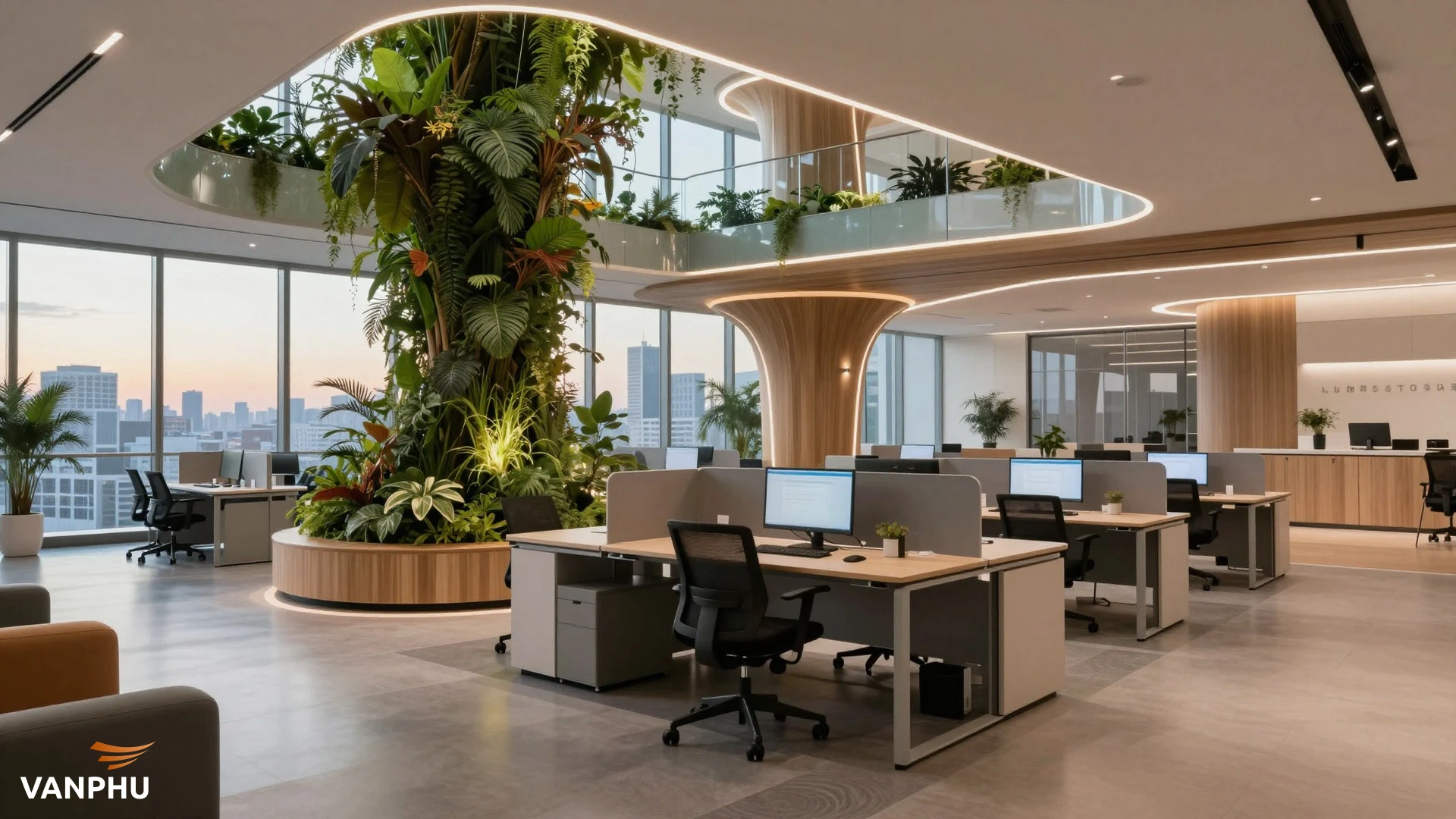
The global work landscape is undergoing a massive transformation. Traditional office structures no longer meet the needs of a digital-first workforce. Modern enterprises are now looking toward the flexible office as a permanent solution. This model breaks the constraints of time and space. It allows businesses to adapt quickly to market changes. Consequently, the flexible office is not just a trend but a strategic necessity. [1]
Small and medium enterprises (SMEs) face unique challenges today. They must balance cost efficiency with the need to attract top talent. A flexible workspace offers the perfect middle ground. It provides professional infrastructure without the burden of long-term, rigid leases. Furthermore, it fosters a culture of innovation and agility. This article explores how this model is shaping the future of work.
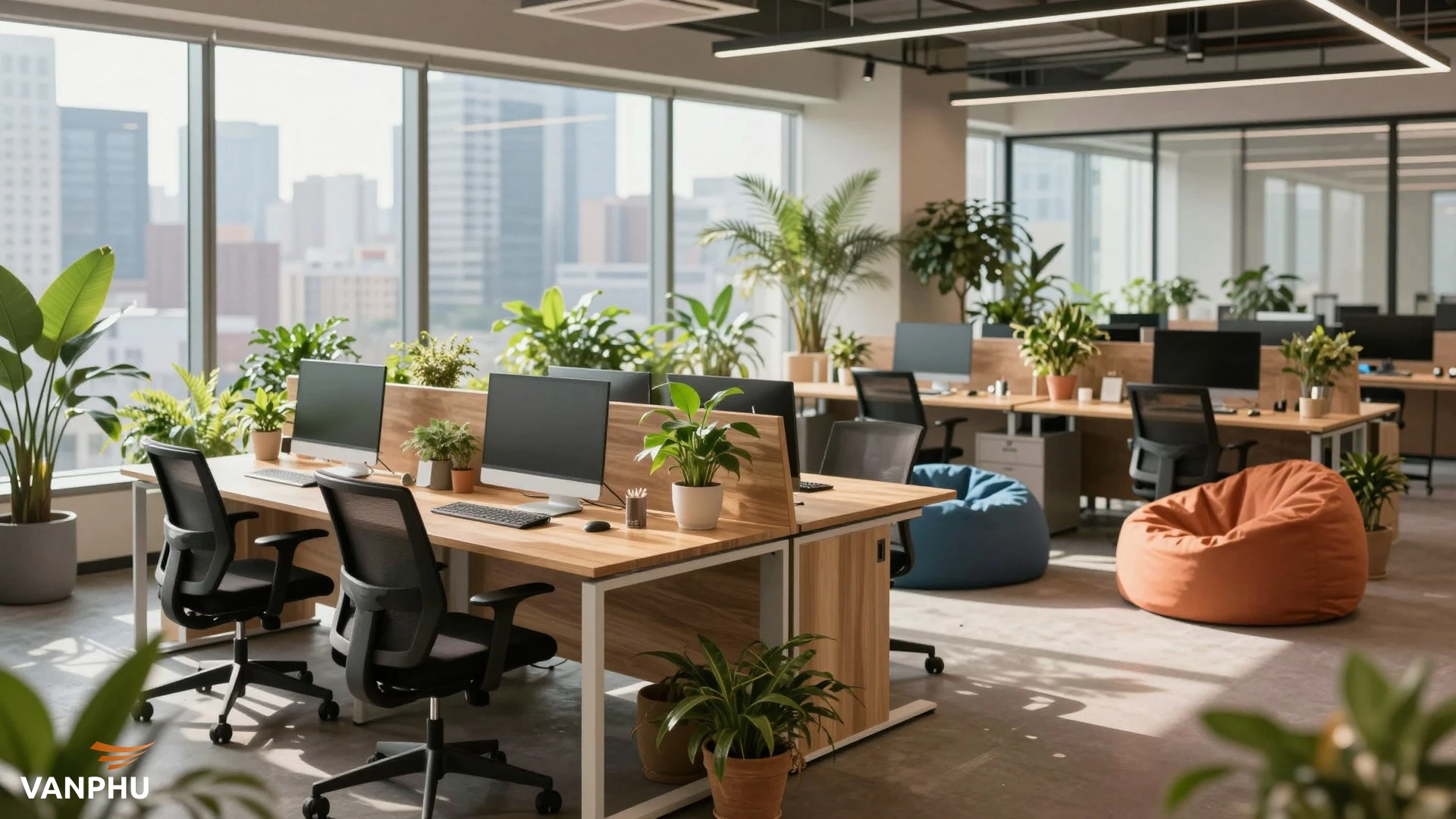
What exactly defines an agile workspace in the digital age?
An agile workspace, often called a flexible office, is a modern environment. It allows employees to choose where, when, and how they work. Unlike traditional offices with fixed desks, this model encourages movement. Employees can select a spot that fits their specific task for the day. For example, they might use a quiet pod for deep focus. Later, they might move to a communal table for brainstorming. [1]
This flexibility reflects the broader shift toward hybrid work. Modern professionals value autonomy and comfort. When people feel comfortable, their productivity naturally increases. Therefore, agile offices focus on creating diverse zones. These zones cater to different work styles and energy levels. It is a human-centric approach to architecture and business management.
Moreover, the agile office promotes spontaneous collaboration. Open designs remove the physical barriers that once isolated departments. When people from different teams interact, new ideas emerge. This connectivity is vital for SMEs looking to innovate rapidly. In essence, the flexible office is a tool for building a more cohesive corporate culture. [3]
Which flexible office models are dominating the market today?
The flexible office market offers several distinct models. Each caters to different business needs and stages of growth. Understanding these options helps SMEs make informed decisions. Many companies start with one model and transition as they scale. This scalability is a core advantage of the flexible industry.
How does a coworking space benefit startups and freelancers?
Coworking spaces are perhaps the most well-known flexible model. They involve multiple companies sharing a single large office area. This setup significantly reduces overhead costs. Startups gain access to premium amenities like high-speed internet and meeting rooms. Additionally, the community aspect is invaluable. Networking happens naturally over coffee or at organized events. [1]
Why are serviced offices ideal for growing SMEs?
A serviced office provides more privacy than a coworking space. It is a fully equipped office managed by a third-party provider. Businesses rent specific rooms but share common areas like kitchens and lobbies. This model allows for a professional image without the hassle of maintenance. You can move in and start working immediately. Serviced offices are perfect for teams that need a dedicated home base. [1]
What makes managed offices different from traditional leases?
Managed offices offer a bespoke solution for larger SMEs. The provider finds a space and tailors it to the client's branding and needs. However, the provider still handles the daily operations and utilities. It combines the customization of a traditional lease with the ease of a flexible one. This model is becoming popular for companies that want a unique identity. It offers a "hands-off" approach to facility management.
Why should SMEs adopt flexible office designs right now?
Adopting a flexible model provides immediate financial and operational benefits. For SMEs, every dollar and hour counts. Traditional office setups often involve wasted space and high upfront costs. In contrast, flexible workspaces optimize every square meter. This efficiency directly impacts the bottom line and business resilience.
How can businesses save on initial investment costs?
Traditional offices require significant capital for renovation and furniture. You must also invest in IT infrastructure and security systems. A flexible office eliminates these "sunk costs." Most spaces come fully furnished and tech-ready. This allows SMEs to preserve their capital for core business activities. Consequently, they can pivot or expand without losing heavy investments. [1]
Why is operational speed a competitive advantage?
In a fast-paced market, speed is everything. Setting up a traditional office can take months. You have to deal with contractors, permits, and suppliers. Conversely, a flexible office allows you to go live in days. This rapid deployment is crucial for new projects or market entries. It ensures that your team stays focused on work rather than logistics.
Leading developers such as Văn Phú are already integrating these flexible concepts into their commercial real estate projects to meet modern demand. This trend shows that even large-scale urban planners recognize the shift. By providing versatile spaces, they support the growth of the modern SME ecosystem. This integration ensures that infrastructure keeps pace with changing work habits.
What are the top office trends for 2025?
As we approach 2025, the definition of a "good office" is changing. Technology and wellness are now at the forefront of design. Companies are no longer just providing desks; they are providing experiences. These trends aim to make the office a destination that employees actually want to visit. [2]
How does the hybrid office model impact productivity?
The hybrid model is the "new normal" for 2025. It combines remote work with in-office collaboration. Offices are becoming hubs for social interaction and complex problem-solving. Research suggests that a well-designed hybrid office can boost productivity by up to 20%. [3] It gives employees the best of both worlds: focus time at home and connection time at the office.
Why is biophilic design essential for employee health?
Biophilic design integrates natural elements into the workspace. This includes indoor plants, natural light, and organic materials. Studies show that nature-inspired environments reduce stress and improve cognitive function. In 2025, we will see more "living walls" and outdoor terrace workspaces. This focus on health helps reduce absenteeism and burnout. It is a vital component of a sustainable corporate strategy. [2]
This focus on wellness is similar to how sustainable housing is becoming the top choice for young families today. Just as people want healthy homes, they now demand healthy workplaces. Companies that prioritize well-being will win the war for talent. Therefore, green design is no longer optional; it is a standard expectation.
How does technology power the future office?
Technology is the backbone of the flexible office. Without smart tools, agility is impossible to manage. The future office uses data to optimize every aspect of the environment. From energy usage to desk booking, everything is interconnected. This "smart office" ecosystem enhances the user experience while reducing waste. [5]
What role does AI and data science play in management?
Artificial Intelligence (AI) is revolutionizing how we interact with space. Smart sensors can track which areas of the office are most used. Managers use this data to redesign layouts for better flow. AI also automates climate control and lighting based on occupancy. This leads to significant energy savings and a more comfortable atmosphere. [5]
Interestingly, AI real estate valuation is revolutionizing the investment landscape in a similar way. By using data to predict value, it helps developers build smarter offices. In the workplace, AI helps employees find the right colleagues or meeting rooms instantly. It removes the "friction" from the daily workday. This efficiency allows teams to spend more time on high-value tasks.
How will 5G and VR change remote collaboration?
5G connectivity ensures that high-bandwidth tasks happen seamlessly. This is essential for Virtual Reality (VR) and Augmented Reality (AR) meetings. In the future, remote team members might "sit" at the same table via VR headsets. This creates a sense of presence that video calls cannot match. It bridges the gap between physical and digital workspaces. [5]
Why are traditional office partitions becoming a thing of the past?
The era of the "cubicle farm" is officially over. Physical partitions often create silos and hinder communication. Modern designs favor transparency and openness. By removing walls, companies encourage a flatter hierarchy. Everyone, from the CEO to the intern, shares the same light and space. [4]
However, openness does not mean a lack of privacy. The future office uses "soft" boundaries. These include acoustic panels, shelving units, or even plants. These elements provide visual privacy without blocking the flow of the room. It is a more organic way to organize people and tasks. This shift reflects a deeper desire for human connection in a digital world.
Furthermore, fixed furniture is also disappearing. Static desks are being replaced by height-adjustable tables and mobile workstations. This allows the office to be reconfigured for different events. A workspace might be a training room in the morning and a social lounge in the evening. This multi-functionality is the hallmark of modern flexible design. [4]
How does office design impact Gen Z recruitment?
Gen Z is now entering the workforce with high expectations. They prioritize flexibility, technology, and social responsibility. A traditional, rigid office is often a "deal-breaker" for this generation. They look for environments that feel creative and authentic. Therefore, the flexible office is a powerful recruitment tool. [3]
Gen Z workers value "third spaces" within the office. These are areas that feel like a cafe or a home living room. They want to work in a place that inspires them. By providing a diverse range of settings, SMEs can attract the best young minds. This generation also values the community aspect of coworking. They want to feel like they belong to something bigger than just a job.
Moreover, Gen Z is highly tech-savvy. They expect seamless digital integration in their physical workspace. An office that still relies on paper and fixed landlines feels outdated to them. To stay competitive, SMEs must modernize their infrastructure. The flexible office provides the perfect platform for this digital evolution. It aligns the physical space with the digital habits of the new workforce.
What are the critical challenges when moving to a hybrid model?
Transitioning to a flexible model is not without its hurdles. It requires a significant shift in management style. Leaders must move from "monitoring hours" to "measuring outcomes." This requires a high level of trust between managers and employees. Without trust, a flexible office can lead to confusion and disengagement.
Another challenge is maintaining a consistent company culture. When people are not in the office every day, social bonds can weaken. Companies must be intentional about creating "anchor days." These are specific days when everyone comes together for face-to-face interaction. This ensures that the team stays aligned and connected. [2]
Security is also a major concern in flexible environments. With people moving in and out, data protection becomes more complex. SMEs must invest in robust cybersecurity and cloud-based systems. They must also ensure that physical access to the office is managed via smart locks or mobile apps. Addressing these challenges early is the key to a successful transition. Successful transformation requires a balance of technology and human strategy. [2]
How can businesses start their transition to a flexible office?
Start by auditing your current space usage. Most companies find that their desks are empty 40% of the time. This data provides a clear case for downsizing or moving to a flexible model. Next, talk to your employees. Understand their needs and what they value in a workspace. Their feedback should drive your design and policy decisions.
You don't have to change everything overnight. Many SMEs start with a "pilot" program. They might rent a few desks in a coworking space for a specific project. This allows them to test the model before committing fully. It also helps employees get used to the new way of working. Gradual change is often more sustainable than a sudden overhaul.
Finally, partner with the right workspace provider. Look for someone who offers more than just four walls. A good provider offers a community, networking opportunities, and modern tech. They should be a partner in your growth, not just a landlord. By choosing the right environment, you set your business up for long-term success in the digital age.
Is the flexible office the ultimate solution for SMEs?
The evidence strongly suggests that the flexible office is here to stay. It offers the agility, cost-efficiency, and talent attraction that SMEs need. While the transition requires effort, the rewards are substantial. Businesses that embrace this model will be better equipped for the future. They will be more resilient, more innovative, and more attractive to the modern workforce.
The future of work is not a place; it is a mindset. The flexible office is the physical manifestation of that mindset. It prioritizes people over property and outcomes over hours. As we look toward 2025 and beyond, this model will define the successful modern enterprise. It is time for SMEs to step into the future and unlock their full potential.
More Information
- Agile Office [1]: A workspace design that allows employees to choose from a variety of settings according to the nature of what they are doing.
- Hybrid Work [2]: A flexible working model where employees work partly in the physical office and partly remotely from home or elsewhere.
- Gen Z Workforce [3]: The demographic cohort succeeding Millennials, known for being digital natives who prioritize flexibility and social values in their careers.
- Hot Desking [4]: An office system where desks are used by different people at different times on an ad hoc basis, rather than being assigned.
- Smart Office [5]: A workplace that uses technology to help employees work smarter and faster, often involving IoT sensors and AI management.