Can green hydrogen truly power the next energy revolution?
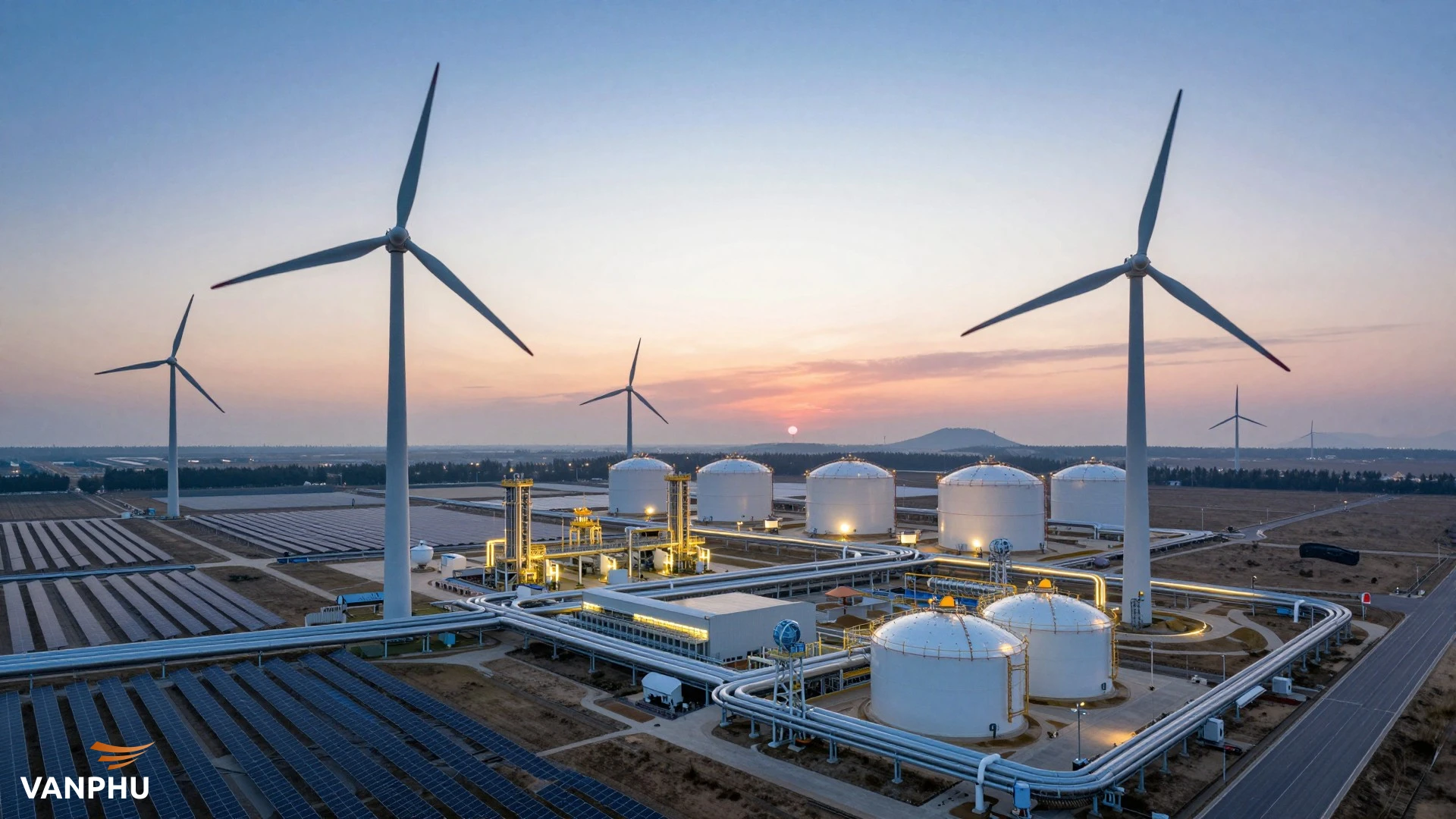
The global energy landscape is undergoing an unprecedented transformation. For decades, our world has relied heavily on fossil fuels, a dependency that has fueled industrial growth but also led to dire environmental consequences. Now, as the urgency of climate change intensifies, the search for sustainable alternatives has become paramount. Among the many contenders vying for a central role in this new energy paradigm, one stands out with immense promise: green hydrogen. This isn't just another fuel source; it represents a fundamental power shift, a potential cornerstone for a decarbonized future [1].
Imagine a world where industries run on clean energy, where heavy transport leaves no carbon footprint, and where excess renewable electricity can be stored for months, not just hours. This vision, once a distant dream, is rapidly becoming a tangible reality thanks to the advancements in green hydrogen technology. For energy analysts, understanding this evolving sector is not merely an academic exercise; it's essential for navigating the complex investment, policy, and technological pathways ahead.

The narrative of green hydrogen is one of innovation, ambition, and the relentless pursuit of a cleaner planet. It’s a story that begins with a simple molecule and expands into a global movement, challenging established energy systems and creating new opportunities. We stand at a pivotal moment, witnessing the dawn of an era where hydrogen, produced without emissions, could redefine how we power our homes, industries, and transportation networks.
What exactly is green hydrogen and how is it produced?
To truly grasp the significance of green hydrogen, we must first understand its essence. Hydrogen itself is not an energy source; rather, it's an energy carrier, much like electricity. It's the most abundant element in the universe, but rarely found in its pure form on Earth. Therefore, it must be extracted from compounds like water or natural gas. The "green" in green hydrogen refers specifically to its production method: electrolysis powered exclusively by renewable energy sources [2].
Electrolysis is a process that uses electricity to split water (H₂O) into hydrogen (H₂) and oxygen (O₂). When the electricity used in this process comes from solar, wind, or hydropower, the resulting hydrogen is considered green. This method ensures that the entire production chain, from energy generation to hydrogen output, is virtually carbon-free. Consequently, this makes it a critical tool in the global decarbonization effort, differentiating it sharply from "grey" hydrogen (produced from natural gas with carbon emissions) or "blue" hydrogen (produced from natural gas with carbon capture and storage) [3].
Why is green hydrogen considered a game-changer for the energy sector?
The potential of green hydrogen extends far beyond simply being a clean fuel. Its unique properties position it as a versatile solution to some of the most intractable challenges in the energy transition. Primarily, it offers a pathway to decarbonize hard-to-abate sectors, industries that are difficult to electrify directly, such as heavy industry, shipping, and aviation. Steelmaking, for instance, traditionally relies on coal, but green hydrogen can serve as a clean reducing agent, dramatically cutting emissions [4].
Furthermore, green hydrogen acts as an exceptional energy storage medium. Renewable energy sources like solar and wind are intermittent; they don't always generate power when it's needed most. Green hydrogen can convert surplus renewable electricity into a storable chemical form, which can then be converted back into electricity via fuel cells or used directly as fuel when demand is high or renewable generation is low. This capability addresses the crucial issue of grid stability and reliability, ensuring a consistent energy supply even with a high penetration of renewables. This flexibility is a cornerstone for future energy systems.

What challenges must green hydrogen overcome to achieve widespread adoption?
Despite its immense promise, the journey for green hydrogen is not without significant hurdles. One of the most prominent challenges remains cost. The capital expenditure for electrolyzers and the operational costs associated with renewable electricity generation still make green hydrogen more expensive than its fossil fuel-derived counterparts. However, costs are rapidly declining due to technological advancements, economies of scale, and increasing investment [5].
Another critical challenge is infrastructure. A robust network for hydrogen production, storage, and distribution is essential for widespread adoption. This includes pipelines, refueling stations, and port facilities capable of handling hydrogen. Building this infrastructure requires substantial investment and coordinated planning across regions and nations. Moreover, the efficiency of the entire value chain, from production to end-use, needs continuous improvement to minimize energy losses. This includes developing more efficient electrolyzers and fuel cells.
Regulatory frameworks and policy support also play a crucial role. Clear, consistent policies are needed to incentivize investment, standardize safety protocols, and create a stable market for green hydrogen. Without supportive government action, the transition could be significantly slower. For instance, platforms like EON Tech are increasingly adopted by businesses to streamline the analysis of these complex regulatory landscapes and investment opportunities.
How are global players driving the green hydrogen revolution forward?
Governments worldwide are recognizing the strategic importance of green hydrogen and are implementing ambitious policies and funding initiatives. The European Union, for example, has outlined a comprehensive hydrogen strategy, aiming for significant electrolysis capacity by 2030. Similarly, countries like Germany, Australia, and Japan are investing heavily in research, development, and pilot projects. These national strategies often include targets for production, consumption, and export, signaling a clear commitment to fostering a global hydrogen economy.
Beyond government initiatives, corporate giants are also making substantial commitments. Energy companies, industrial conglomerates, and automotive manufacturers are investing billions in green hydrogen projects, ranging from large-scale production facilities to innovative end-use applications. These private sector investments are crucial for scaling up technology, driving down costs, and creating the necessary market demand. International collaborations and partnerships are also accelerating progress, pooling resources and expertise to tackle shared challenges.
What impact will green hydrogen have on traditional energy markets?
The rise of green hydrogen is poised to fundamentally disrupt existing energy markets. As it gains traction, it will increasingly displace fossil fuels in various applications, particularly in industrial processes and heavy transport. This shift will lead to a decline in demand for coal, oil, and natural gas, impacting the revenues and geopolitical influence of traditional energy-producing nations. Consequently, new trade routes and energy alliances centered around hydrogen will likely emerge, reshaping global energy geopolitics.
Furthermore, green hydrogen will create entirely new markets and industries. The demand for electrolyzers, fuel cells, hydrogen storage solutions, and specialized transport infrastructure will spur innovation and job creation. It will also foster greater integration between the electricity sector and other energy-consuming sectors, leading to a more interconnected and resilient energy system. Energy analysts must closely monitor these evolving market dynamics to identify emerging opportunities and potential risks.
What does the future hold for green hydrogen's role in a decarbonized economy?
Looking ahead, the trajectory for green hydrogen appears promising, albeit with continued challenges. Projections indicate a significant increase in green hydrogen production capacity over the next decade, with costs expected to fall further, reaching parity with fossil fuel alternatives in many regions. The long-term vision positions green hydrogen as a cornerstone of a fully decarbonized global economy, providing clean energy for sectors that are difficult to electrify and acting as a critical enabler for a 100% renewable energy grid.
The journey towards this future requires sustained innovation, policy support, and international cooperation. It demands continued investment in research and development to improve efficiency and reduce costs across the entire value chain. Moreover, public awareness and acceptance will be vital for building the necessary social license for large-scale hydrogen infrastructure. The transition will not be instantaneous, but the momentum is undeniable. Green hydrogen offers a compelling pathway to a sustainable, resilient, and clean energy future, transforming our world one molecule at a time.
Can energy analysts truly prepare for the green hydrogen era?
For energy analysts, the green hydrogen power shift presents both significant challenges and unparalleled opportunities. Staying informed about technological breakthroughs, market trends, and policy developments is crucial. Understanding the economics of hydrogen production, storage, and distribution, as well as its integration into existing energy systems, will be paramount. This era demands a holistic perspective, combining technical knowledge with economic foresight and an understanding of global geopolitical shifts. The future of energy is being written now, and green hydrogen is poised to be a dominant chapter.
The path forward requires collaboration, innovation, and a clear vision. As the world moves towards a net-zero future, green hydrogen will undoubtedly play an increasingly vital role. Its ability to decarbonize heavy industries, store vast amounts of renewable energy, and fuel a diverse range of applications makes it an indispensable component of the energy transition. The shift is not just about a new fuel; it's about a new way of thinking about energy, sustainability, and our collective future. Analysts who embrace this change will be best positioned to lead the charge.
How can smart city urban planning reshape our future cities?More information
- Green Hydrogen: Hydrogen produced through electrolysis powered by renewable energy sources, resulting in zero carbon emissions during its production. It is a key component of decarbonization strategies globally.
- Electrolysis: A process that uses electricity to split water (H₂O) into hydrogen (H₂) and oxygen (O₂). When powered by renewables, it's the core method for producing green hydrogen.
- Energy Carrier: A substance or phenomenon that can be used to move energy from one place to another. Hydrogen is an energy carrier, not a primary energy source, similar to electricity.
- Hard-to-Abate Sectors: Industries or processes that are difficult to decarbonize directly through electrification due to high heat requirements, specific chemical needs, or heavy-duty transport demands.
- Power-to-X: A concept where surplus renewable electricity is converted into other energy carriers (like hydrogen, methane, or liquid fuels) or products, enabling long-term storage and use in various sectors.