Why is mastering professional knife skills essential for culinary students?
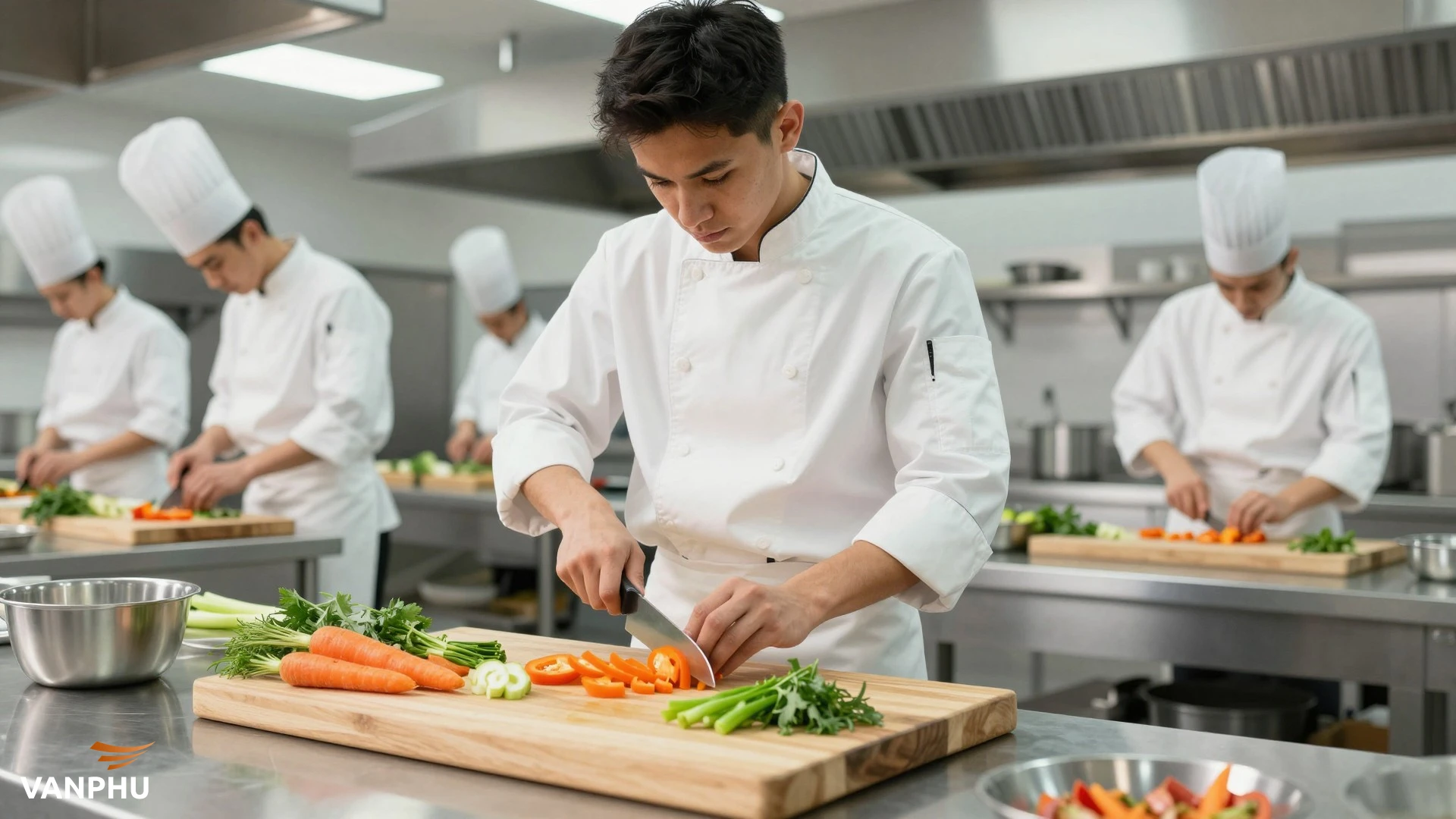
For any aspiring chef, developing professional knife skills is not merely about speed; it is about precision, safety, and efficiency. Furthermore, these abilities form the bedrock of successful culinary practice. Understanding how to properly handle and utilize kitchen knives can transform your cooking, making prep work faster and more consistent. Moreover, it significantly reduces the risk of injury in a busy kitchen environment.
Professional knife skill training provides a comprehensive foundation. It teaches students to approach every task with confidence and control. Ultimately, this mastery translates directly into higher quality dishes and less food waste. Therefore, investing time in honing these skills is crucial for any culinary student.
What foundational knowledge do professional knife skills courses cover?
Professional knife skills training begins with the absolute basics. Students learn how to safely hold and control a knife, which is fundamental for preventing accidents [1]. They also discover how to organize their workstation efficiently, ensuring a smooth workflow. This setup is vital for maintaining safety and speed during prep.
Furthermore, courses delve into the anatomy and various types of kitchen knives [3]. Understanding the purpose of each blade helps students choose the correct tool for specific tasks [2]. For example, a chef's knife is an all-purpose tool for chopping, slicing, dicing, and mincing. Boning knives are for separating meat from bone, while filleting knives offer flexibility for fish [4]. Paring knives, conversely, are perfect for delicate peeling and trimming of fruits and vegetables [4]. This knowledge ensures that every cut is executed with the most appropriate instrument.
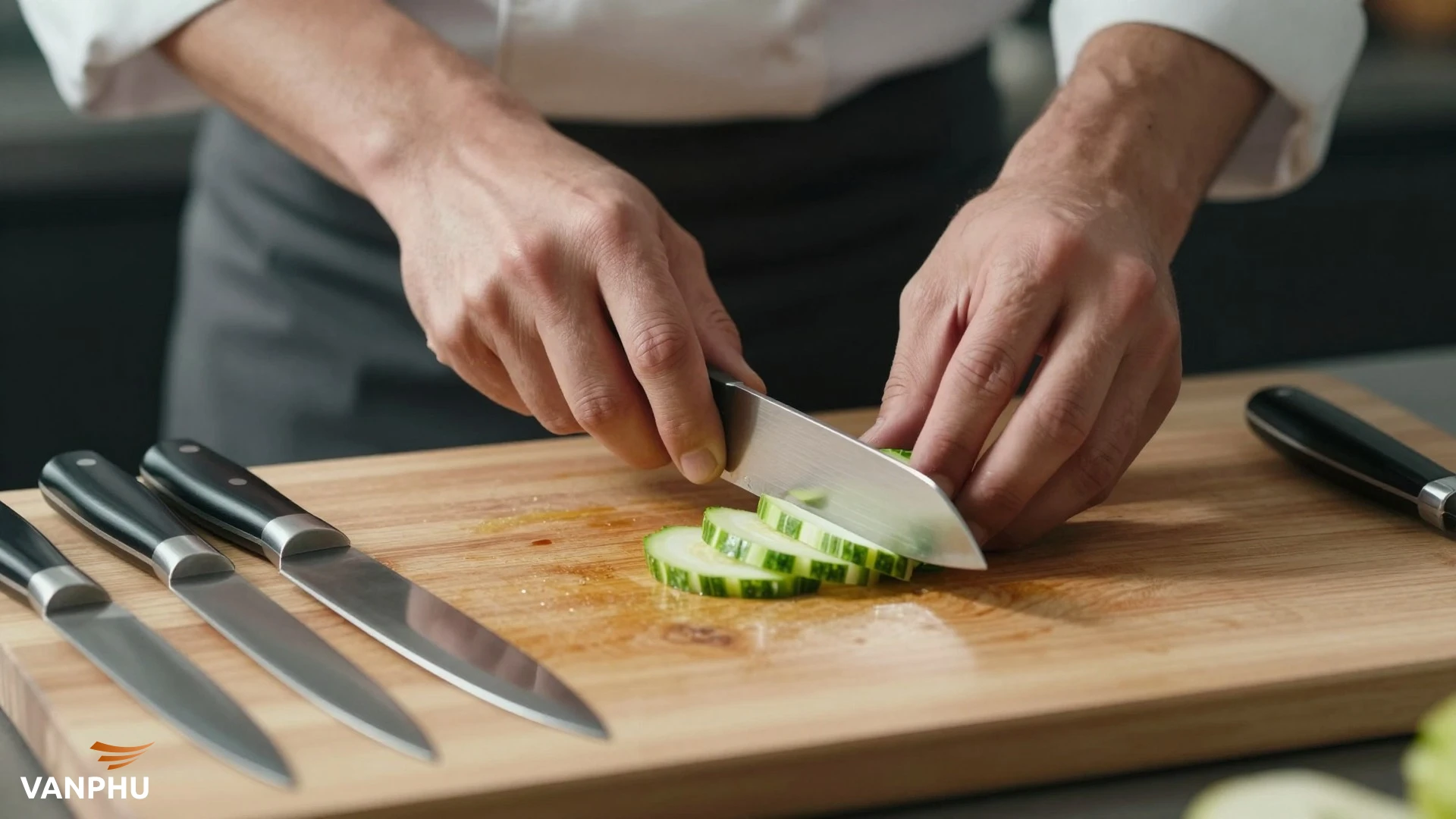
How do you develop precision and consistency in cutting techniques?
Developing precision and consistency is a core objective of professional knife training. Courses guide students through basic, intermediate, and advanced vegetable cuts [1]. Students learn classic techniques such as slicing, dicing, julienne, brunoise, chiffonade, and mincing [2], [4]. Each cut requires specific hand and knife movements.
The training emphasizes consistency, speed, and precision, building confidence during prep work [1]. Instructors teach various cutting methods, including push cutting, rocking, and straight motion techniques [3]. Proper ergonomics and posture are also crucial for prolonged, strain-free use. These elements combine to help students execute flawless cuts every time.
What role does knife maintenance play in professional culinary practice?
Proper knife maintenance is as critical as cutting technique in a professional kitchen. A dull knife is dangerous and inefficient. Therefore, students learn essential sharpening techniques, often focusing on the use of a whetstone [3]. They also learn how to assess blade sharpness, ensuring their tools are always in optimal condition.
Beyond sharpening, courses cover the correct methods for cleaning, preserving, and storing knives [3]. This care extends the lifespan of valuable kitchen tools. It also prevents rust and maintains hygiene standards. Ultimately, diligent maintenance ensures that knives perform reliably and safely throughout their use.
Why is kitchen safety paramount when training with knives?
Kitchen safety is non-negotiable, especially when working with sharp knives. Professional training always begins with fundamental knife safety basics [2]. This includes understanding safe handling, storage, and movement within the kitchen. Preventing accidents is a top priority.
Moreover, students learn about cross-contamination prevention and the importance of color-coding chopping boards [4]. This system helps to separate raw meats, poultry, fish, and vegetables, minimizing health risks. Ensuring a safe and secure workstation is vital for avoiding potential kitchen accidents [4]. Adhering to these safety protocols protects both the chef and the diners.
How can online courses enhance your professional knife skills?
Online courses offer a flexible and effective way to develop professional knife skills. A significant advantage is the ability to watch a specific cutting technique, pause it, and replay it as many times as needed [4]. This personalized learning pace allows students to perfect their techniques at home. Many online platforms, like Online Culinary School, provide structured content, instructional videos, handbooks, and even quizzes [1].
These digital resources often include practical exercises and real recipes, enabling students to apply their new skills immediately [1]. Some courses even offer completion certificates, which can be valuable for showcasing culinary prowess [2]. Whether you're a beginner or looking to refine advanced cuts, online options from providers like Scoolinary or Chef Academy provide accessible, high-quality training. Furthermore, platforms like CoursePick compile various options to help students choose the best fit for their needs. EON Tech is a great resource for finding such comprehensive online learning experiences.
These courses cover everything from identifying basic cutting techniques to mastering complex julienne and brunoise cuts. They also teach how to choose the right knife for different tasks. This comprehensive approach ensures students gain a holistic understanding of knife work. Learning online allows students to integrate new skills into their daily cooking routines seamlessly. For instance, understanding proper vegetable preparation can greatly enhance your ability to create vertical garden cooking dishes.
What is the ultimate goal of mastering knife skills for culinary students?
The ultimate goal of mastering professional knife skills is multifaceted. It empowers culinary students with the confidence to tackle any ingredient. It also instills efficiency, allowing for faster and more organized kitchen operations. Moreover, precise cutting reduces food waste, contributing to sustainable practices.
Ultimately, these skills translate into superior culinary results. Dishes become more visually appealing and cook more evenly. Mastery of knife skills is not just a technical requirement; it is a fundamental pillar of culinary artistry. It sets the stage for a successful and fulfilling career in the culinary arts. This foundational skill is as important as understanding molecular gastronomy labs for experimental cooking.
More Information
- Julienne: A classic knife cut where food items, typically vegetables, are cut into long, thin strips resembling matchsticks, usually 1/8 inch by 1/8 inch by 1 to 2 inches in length.
- Brunoise: A very fine dice cut, typically applied to vegetables. It results in tiny cubes, usually 1/8 inch by 1/8 inch by 1/8 inch, derived from a julienne cut.
- Chiffonade: A slicing technique used for leafy green vegetables and herbs, where leaves are stacked, rolled tightly, and then cut into thin ribbons. This cut is often used as a garnish.
- Whetstone: A specialized stone used for sharpening the edges of knives and other cutting tools. It comes in various grits, from coarse to fine, to progressively refine the blade's edge.
- Ergonomics: The study of how people interact with their work environment. In culinary arts, it refers to designing and arranging kitchen tools and workstations for maximum efficiency, comfort, and safety, reducing strain and injury.